Sensors and data logging for research projects
Agrinovo makes digital probes for water chemistry, dissolved gases and soil, and the controller and cloud that log them. Researchers use the probes two ways: wired to their own microcontroller or data logger, or on an Agrinovo controller that sends readings to the cloud for export. Every probe has a public datasheet with its accuracy, calibration procedure and register map.
Probes by experiment
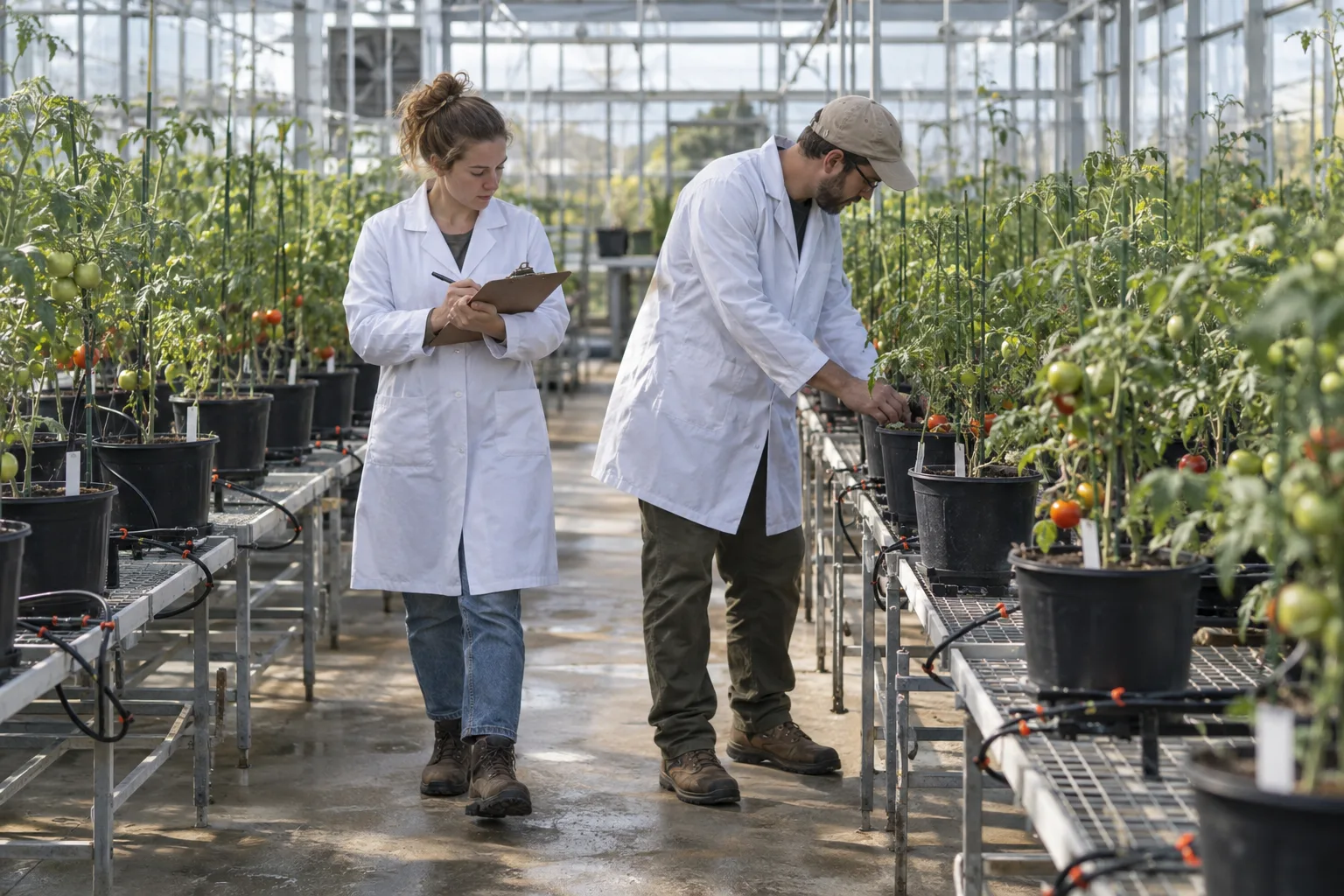
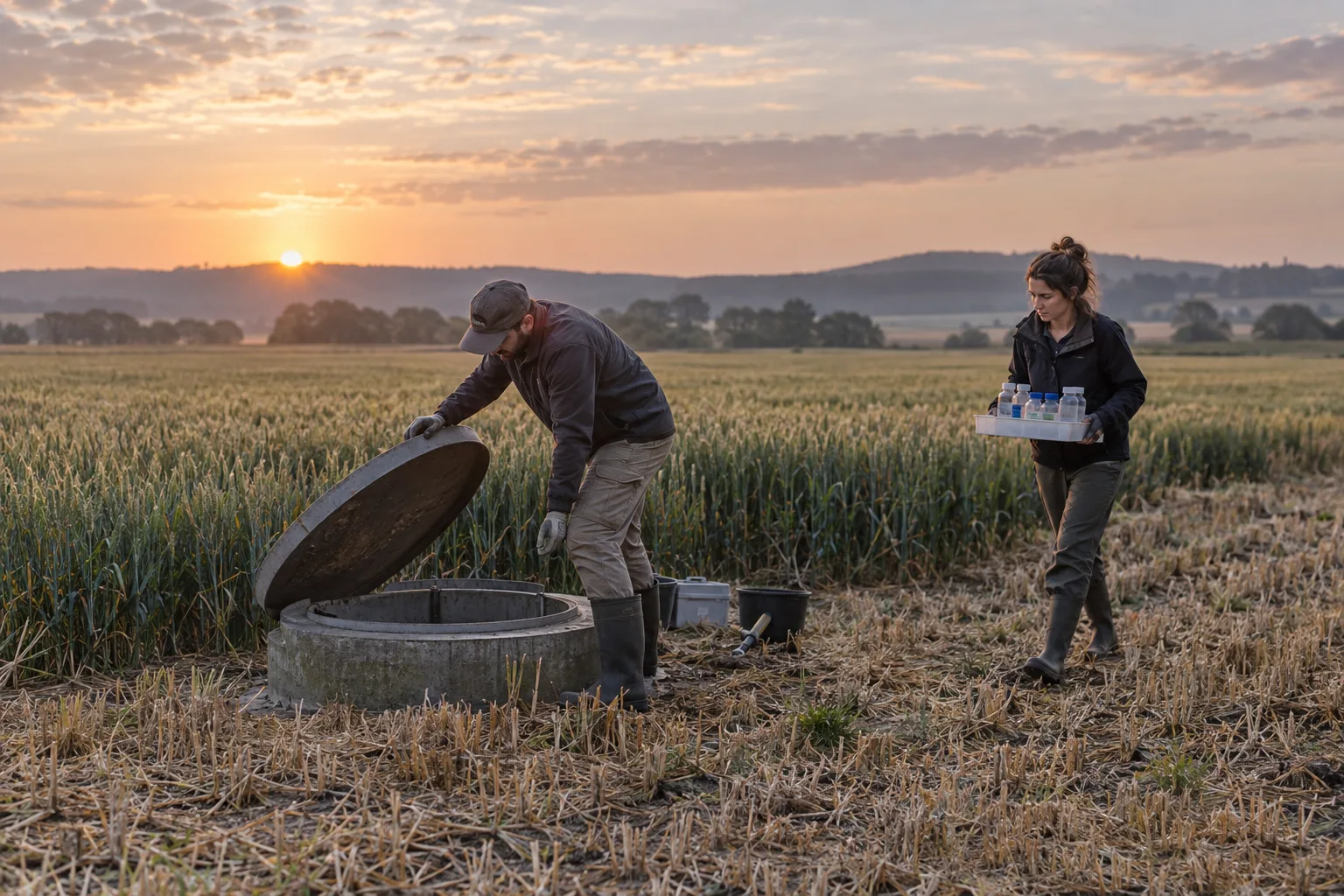
- Nitrate in groundwater and runoff
NO3-100 ion-selective probe: reported value, working range and interfering ions.
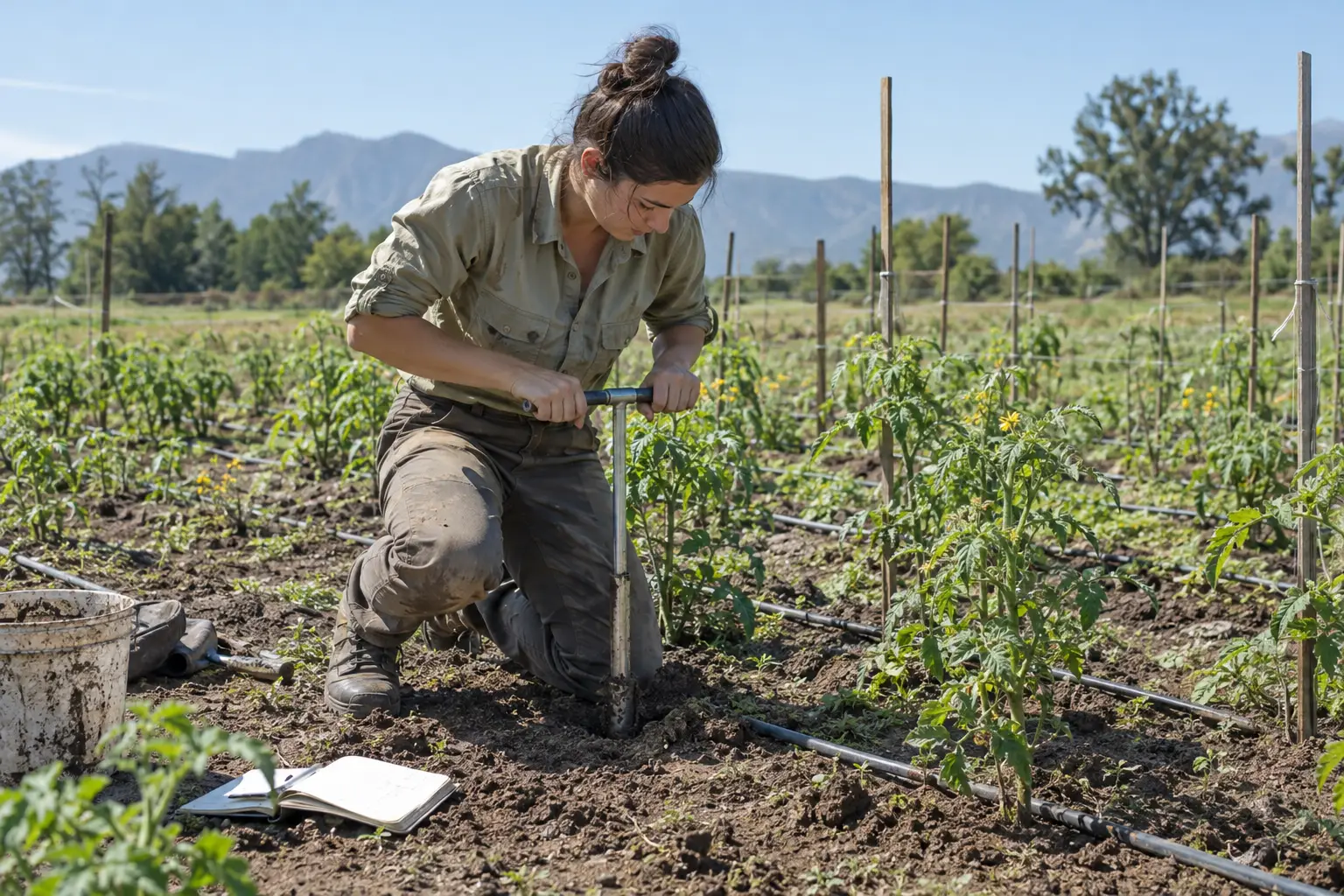
- Soil oxygen in the root zone
O2-100 soil oxygen sensor for aeration, waterlogging and substrate studies.
- Dissolved CO2 in water
CO2-100 gas-sensing electrode and the sample conditions it needs.
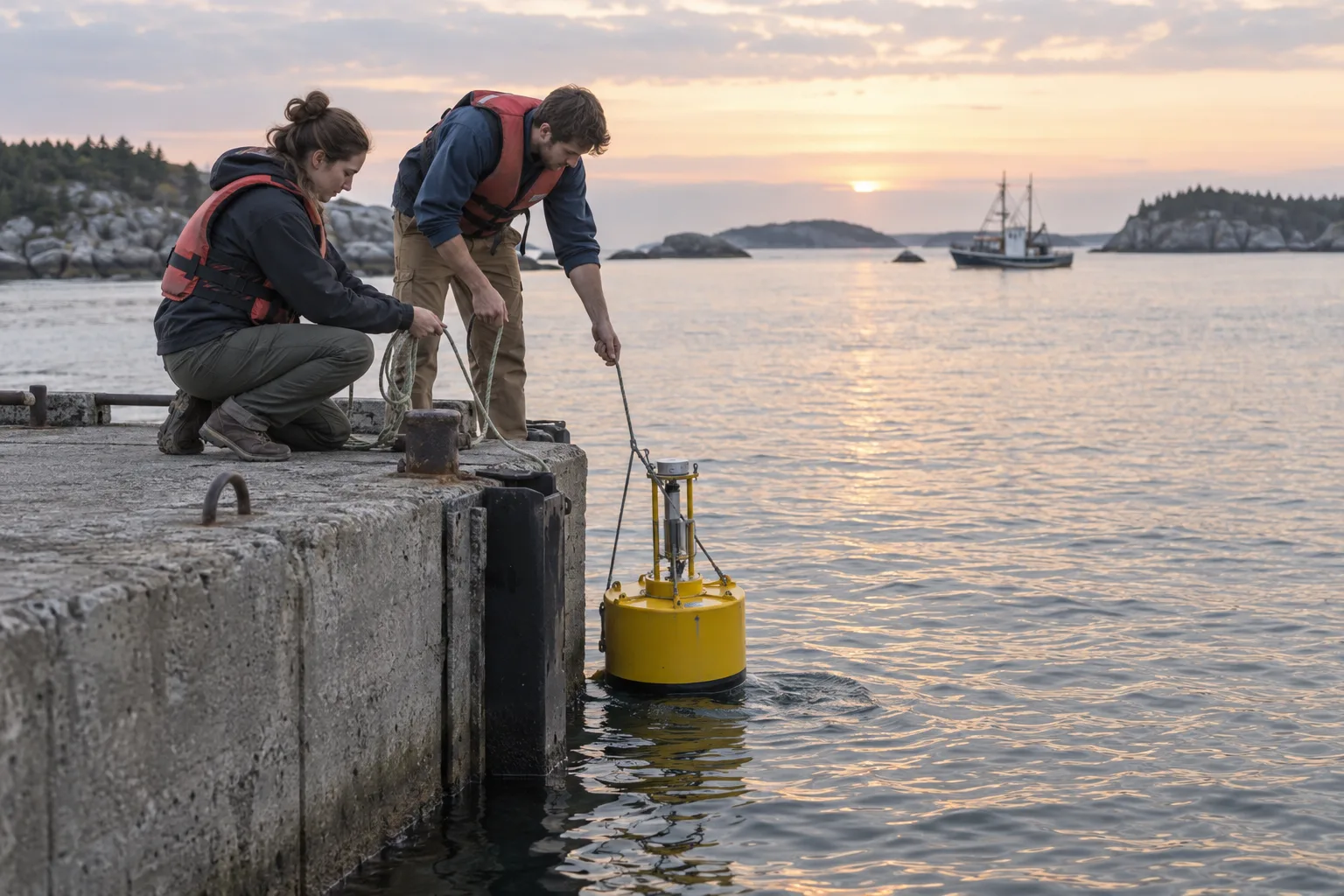
- Seawater conductivity on a buoy
EC-120 conductivity, salinity and temperature probe for marine deployments.
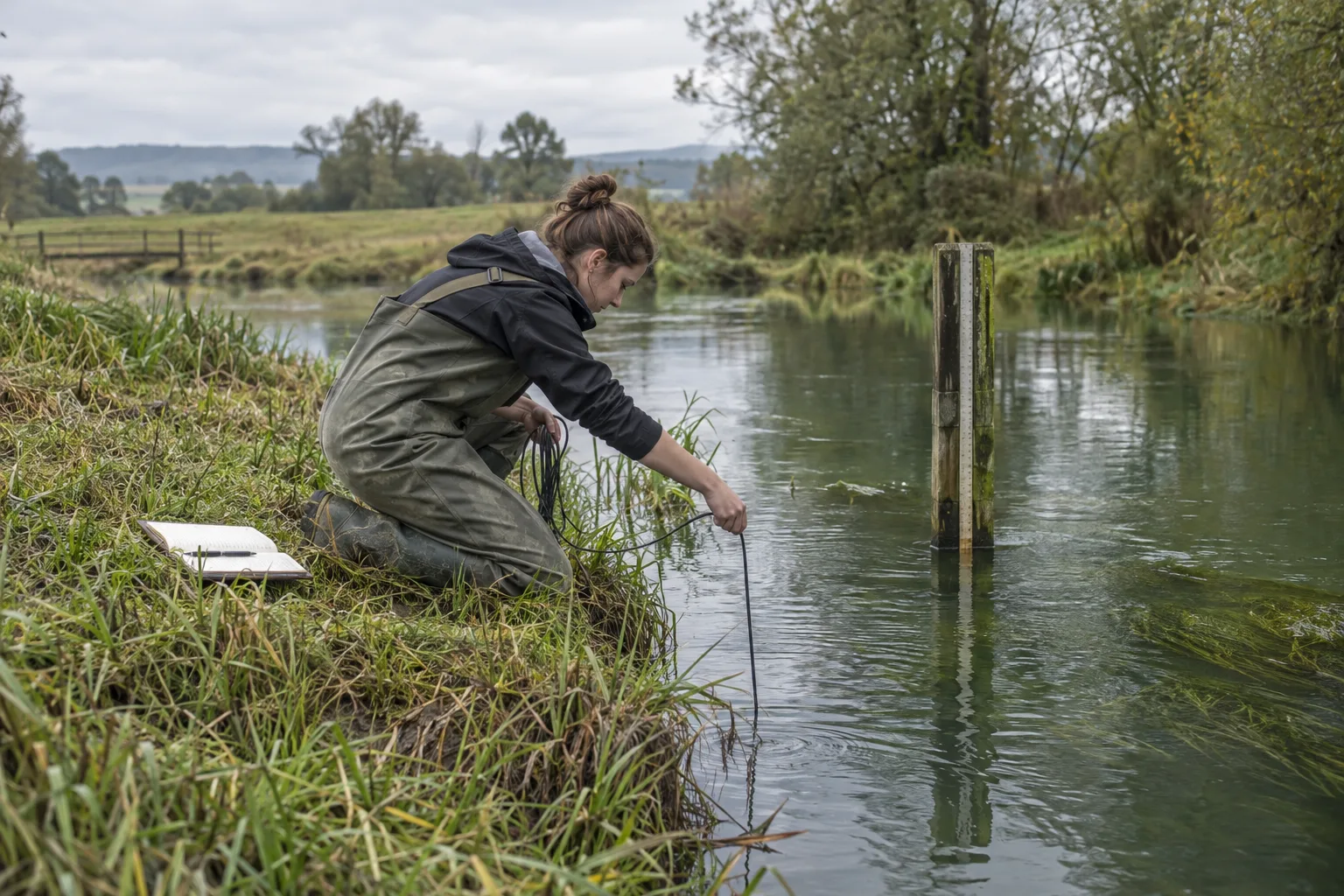
- Dissolved oxygen in streams and ponds
DO-130 with a self-cleaning brush for long deployments in fouling water.
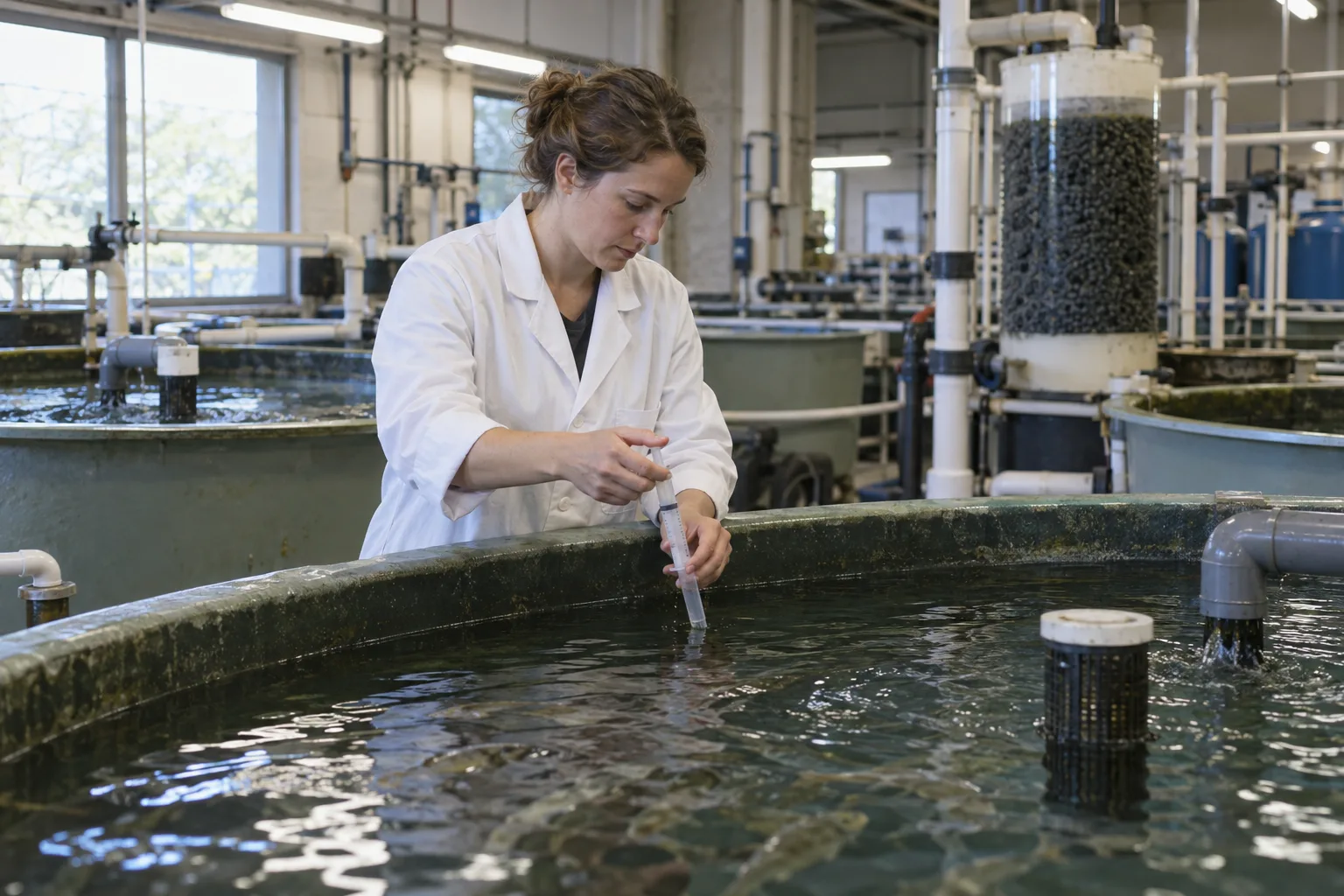
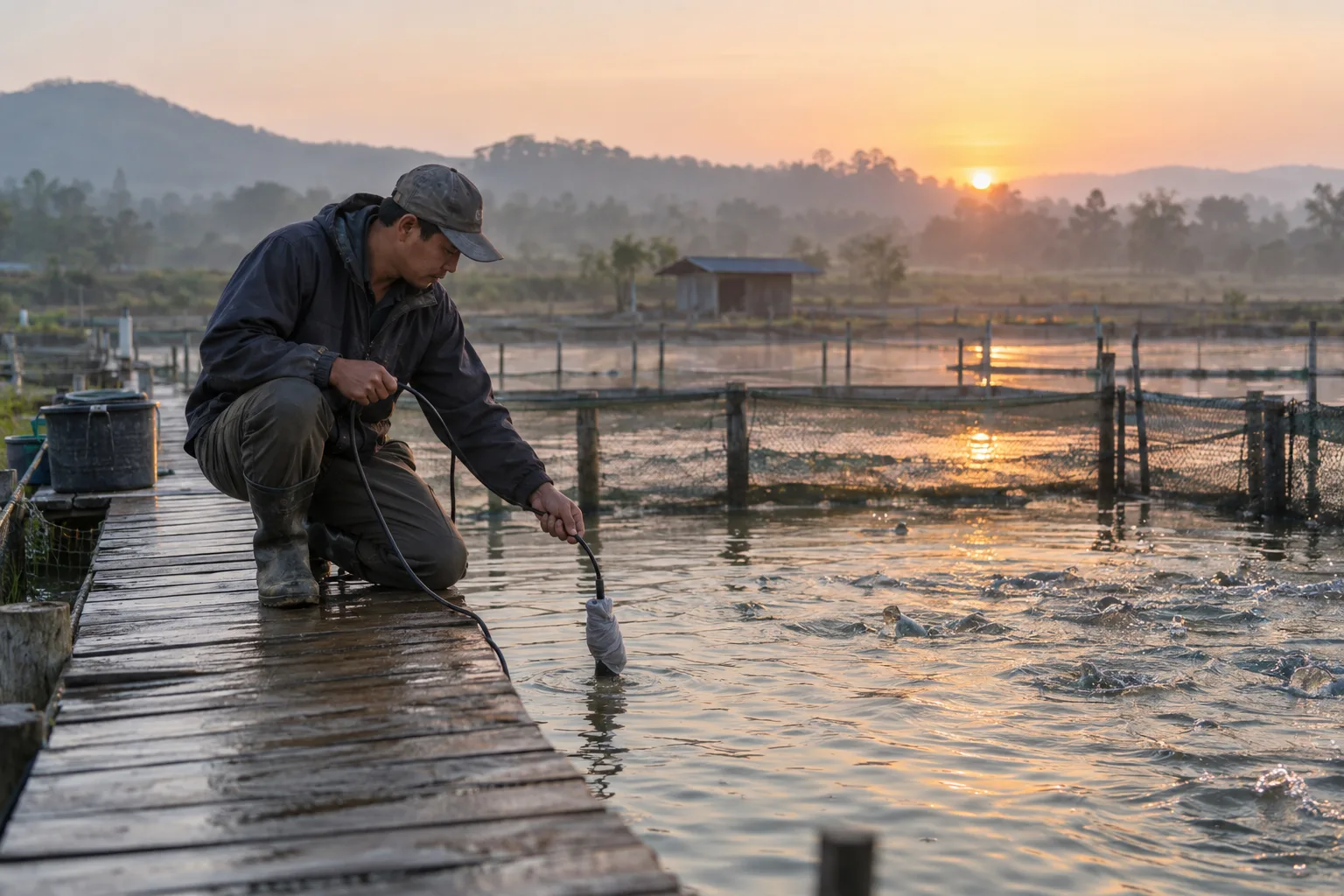
- Recirculating aquaculture research tanks
Oxygen, pH, temperature and nitrogen compounds on lab-scale RAS.
What we measure
| Parameter | Probes |
|---|---|
| pH and ORP | pH probes, ORP probes |
| Conductivity and salinity | EC probes for fresh water, nutrient solutions and seawater |
| Dissolved oxygen | DO probes, including titanium and self-cleaning models |
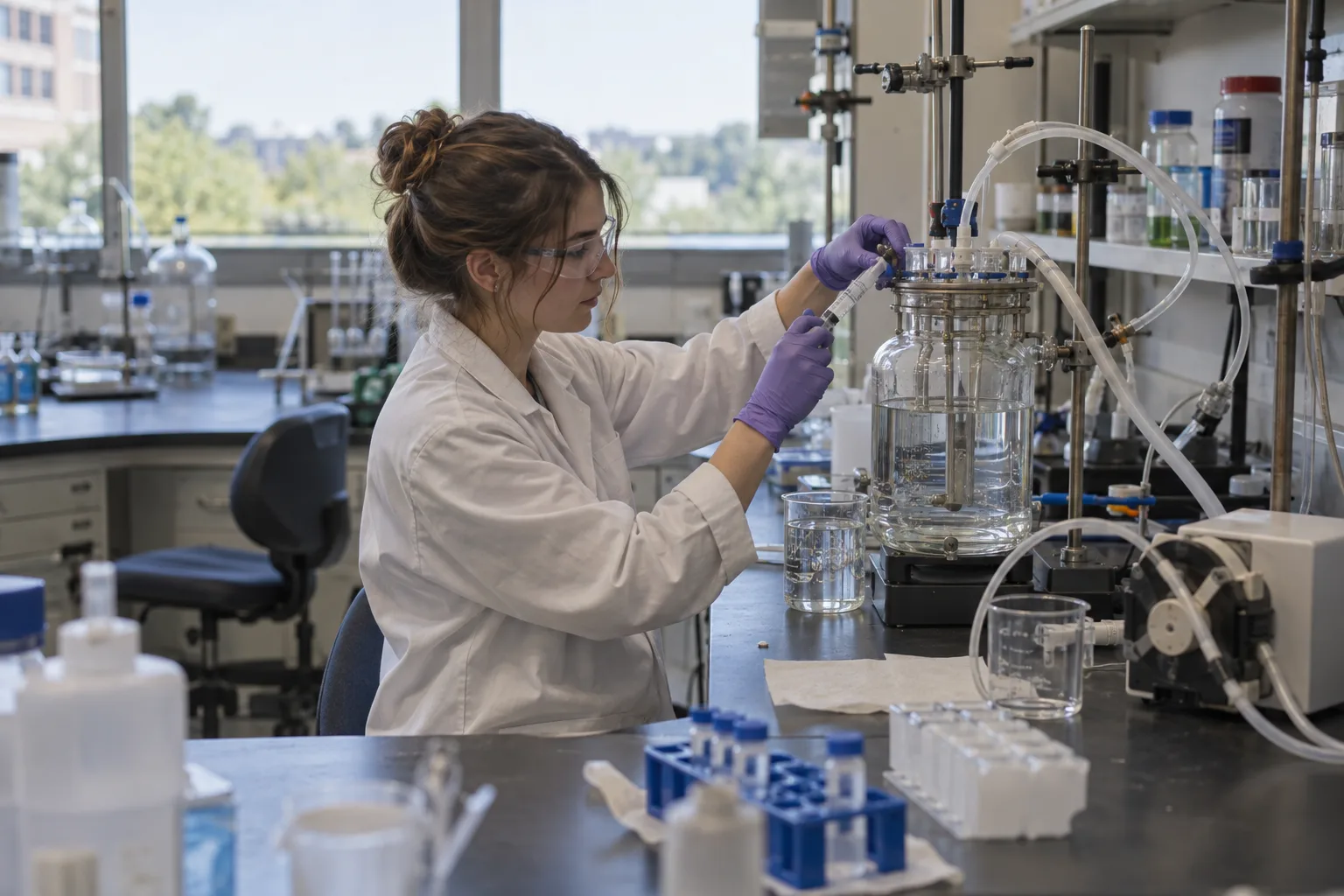
| Ions and dissolved gases | Ion-selective probes: nitrate, nitrite, ammonium, ammonia, potassium, calcium, chloride, fluoride, copper, lead, silver, dissolved CO2 and dissolved ozone |
| Optical water quality | Turbidity, chlorophyll, COD, suspended solids |
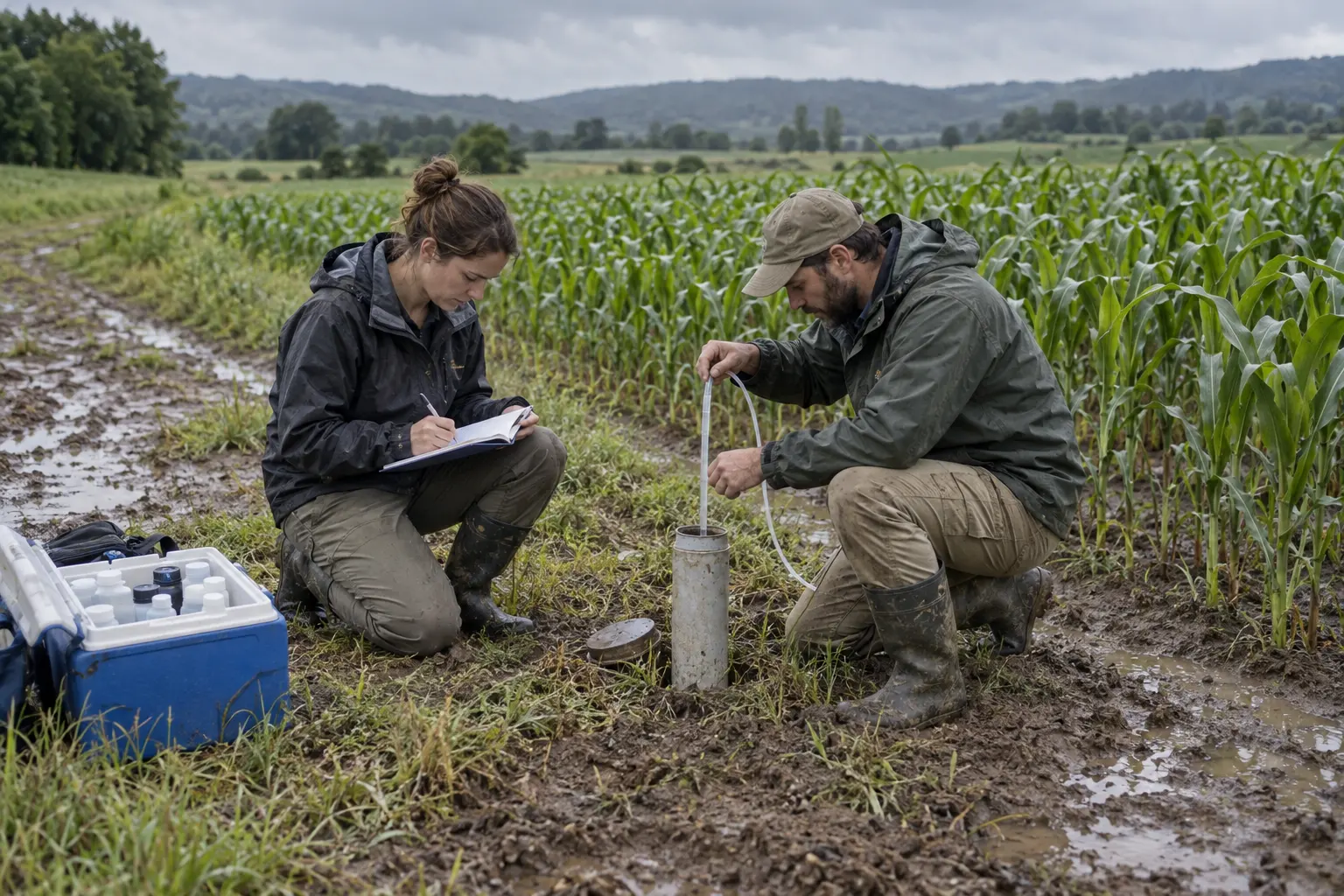
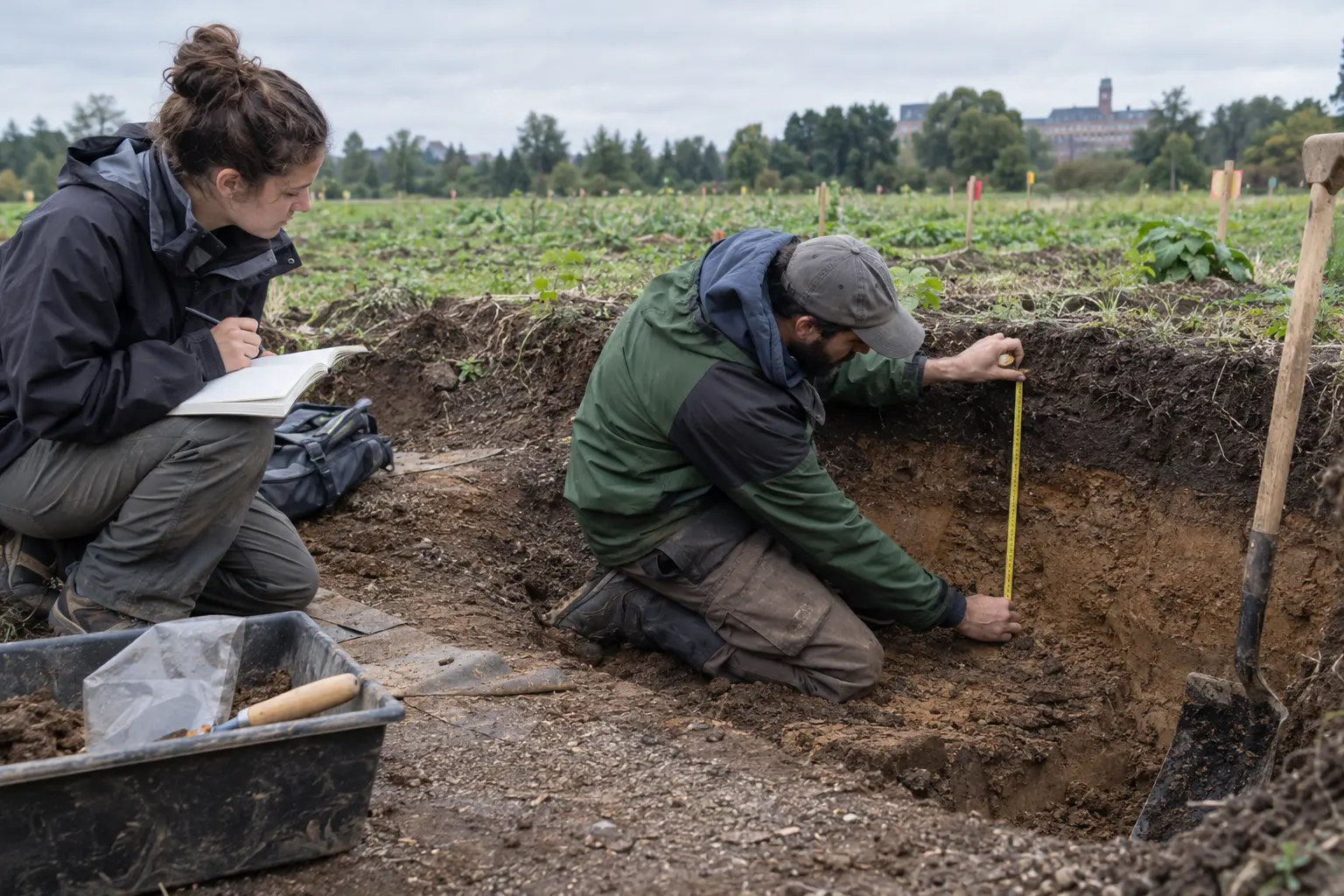
| Soil | Tensiometers, Watermark sensors, soil oxygen and soil temperature |
| Air | Temperature, humidity and gas sensors |
All datasheets are public, as PDF and as Markdown: datasheet library.
Two ways to log a probe
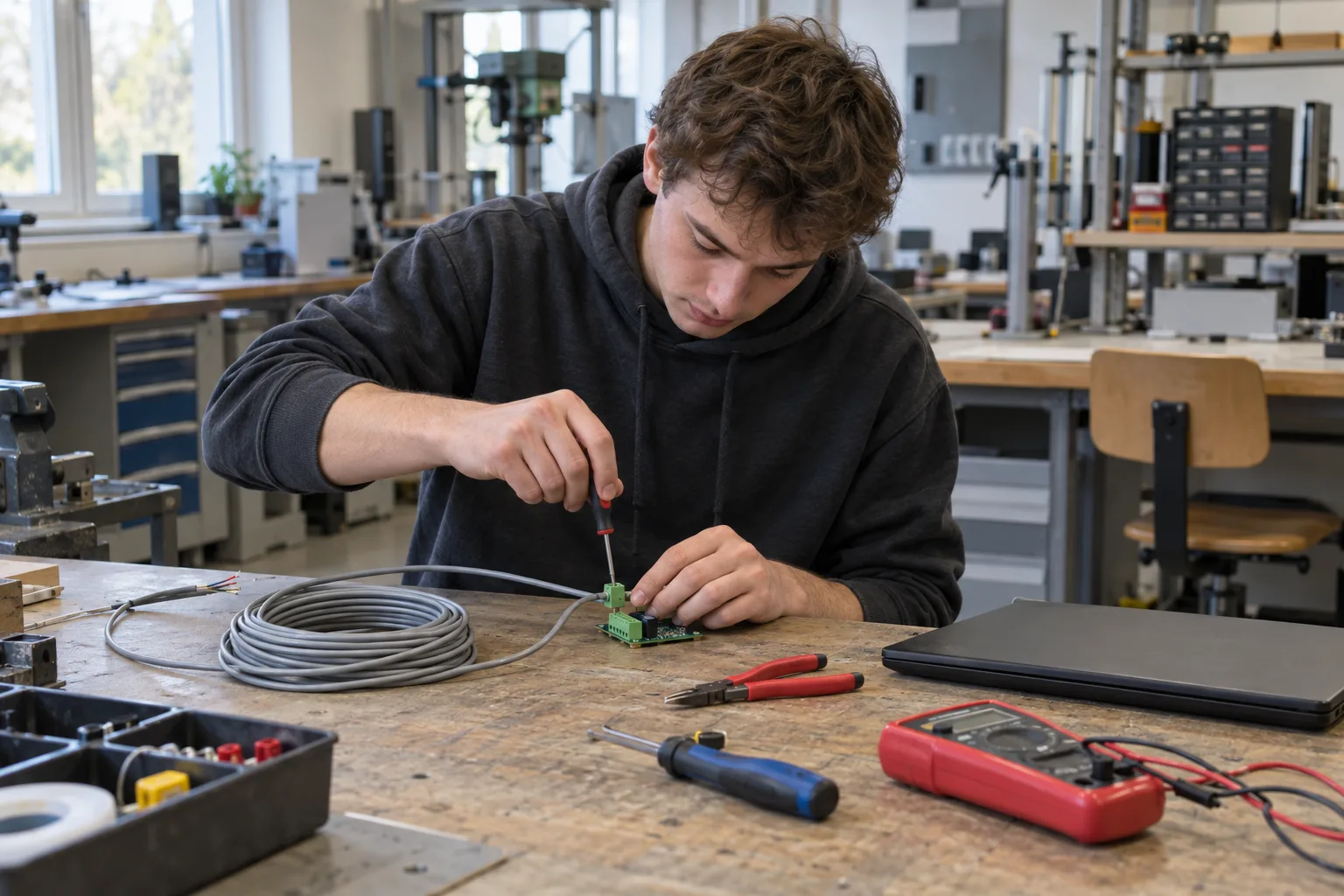
- Your own logger or microcontroller
The digital probes speak RS485 Modbus RTU and need no Agrinovo controller or subscription. Wiring, register maps and Arduino and Python code per probe.
- Omni Genesis controller and the cloud
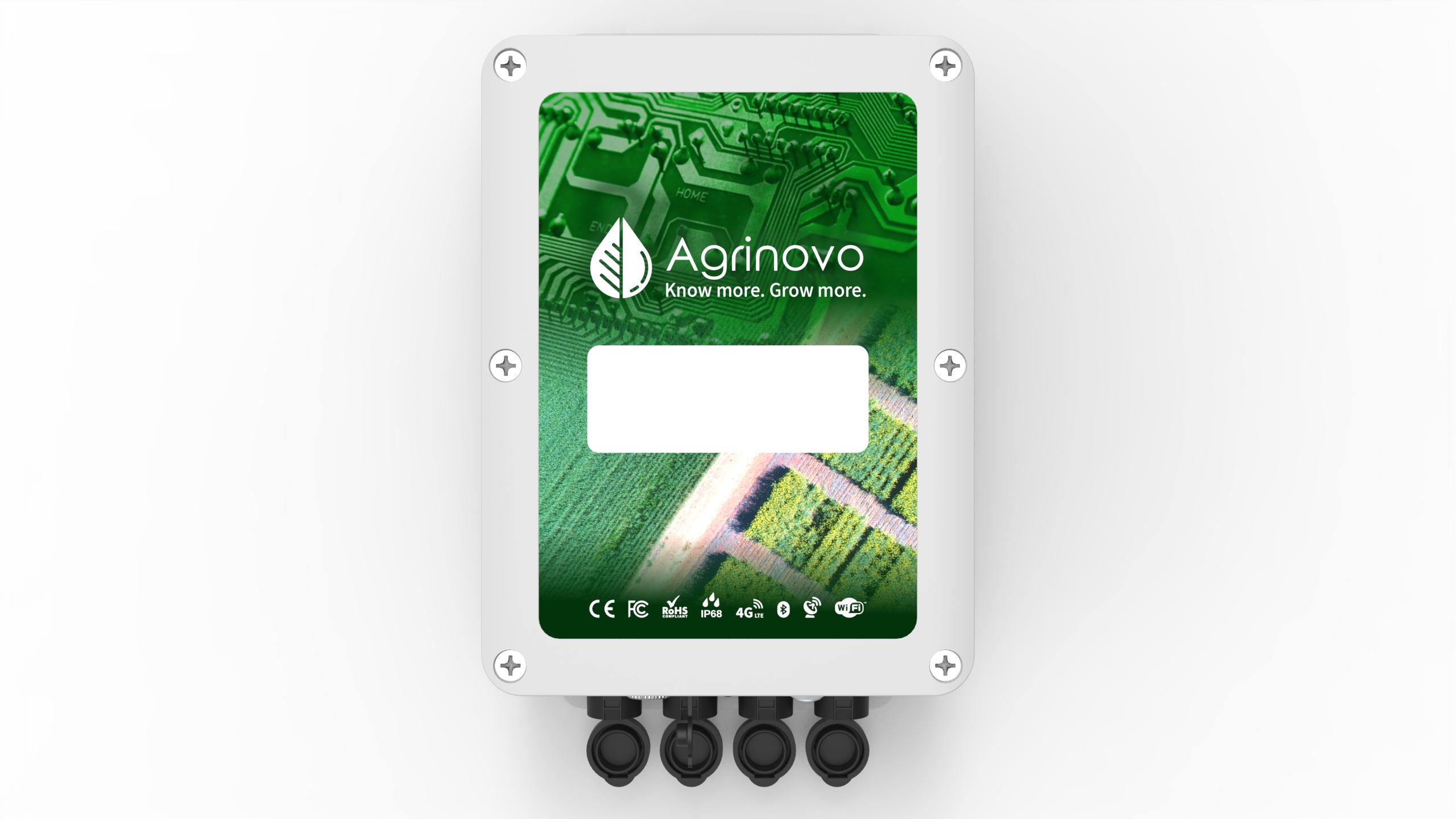
A cellular controller reads the probes and sends the readings to the Agrinovo cloud, with alerts when a value leaves its range.
Getting the data into your analysis
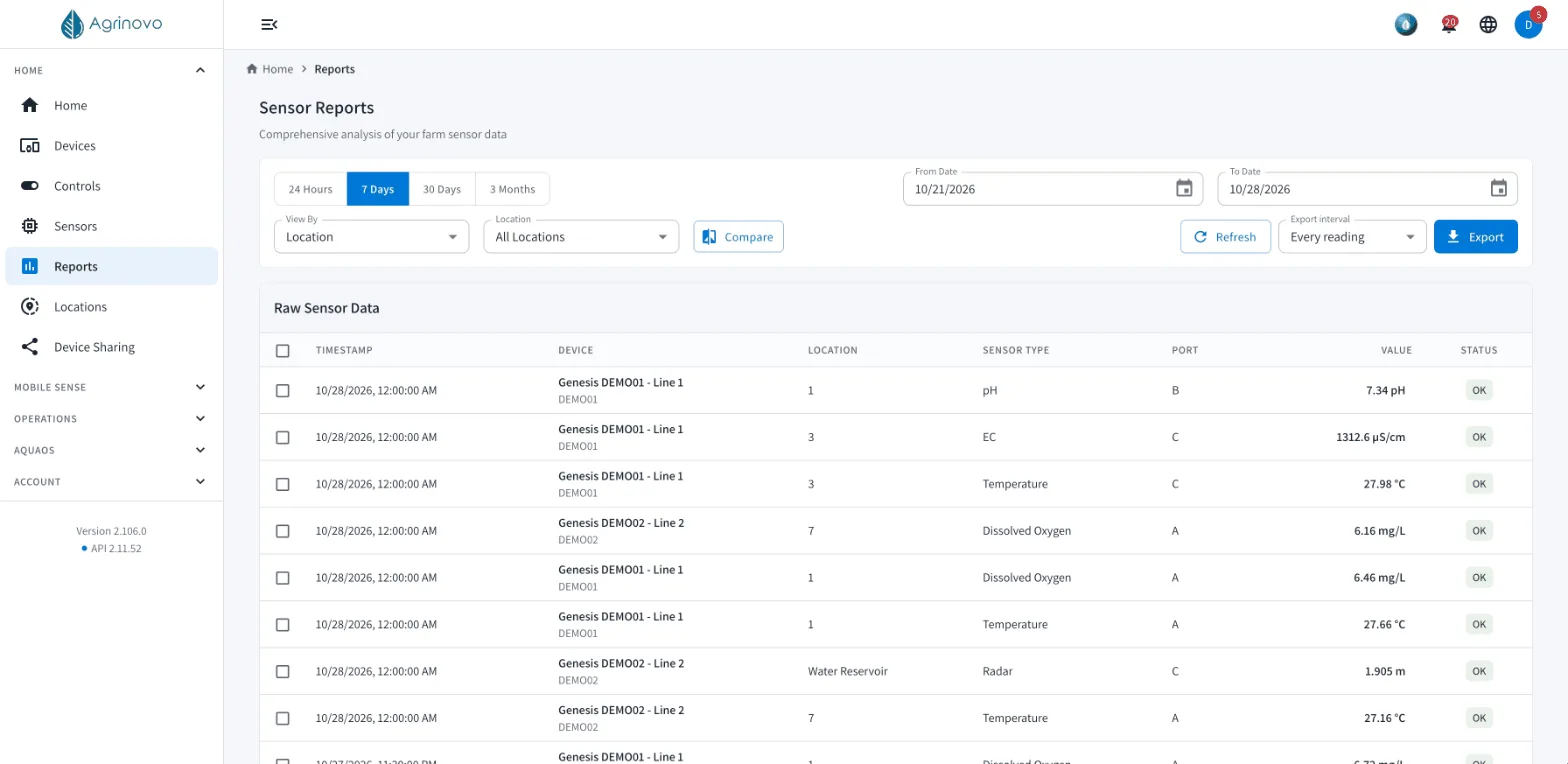
- Export readings from the cloud as an Excel file, raw or averaged over an interval you choose.
- Read them from your own code through the cloud API; the page includes a Python script that writes a CSV file with UTC timestamps for pandas or R.
- Ask an AI assistant about them through the MCP server.
Measurement guides
- Ion selective electrodes: how they work and how to calibrate them
Nernst slope, selectivity, interfering ions and calibration across decades.
- How to calibrate a pH sensor
Two-point and three-point calibration, buffers, slope and offset.
- Optical and galvanic dissolved oxygen sensors compared
Flow dependence, maintenance, drift and which principle fits which water.
- Soil water potential: formula and units
Matric, osmotic and pressure potential, with a unit converter.
- Lysimeters: types and what each measures
Drainage, weighing and suction lysimeters and the sensors around them.
Buying for a university or institute
Quotations, purchase orders, supplier registration, delivery and how to cite the instruments in a paper are covered on the institutional purchasing page.
Tell us about the experiment
What you need to measure, in what water or soil, and how you plan to log it.