Crop · Field crops
Soil oxygen sensor for soil research: the O2-100 in aeration, waterlogging and compost studies
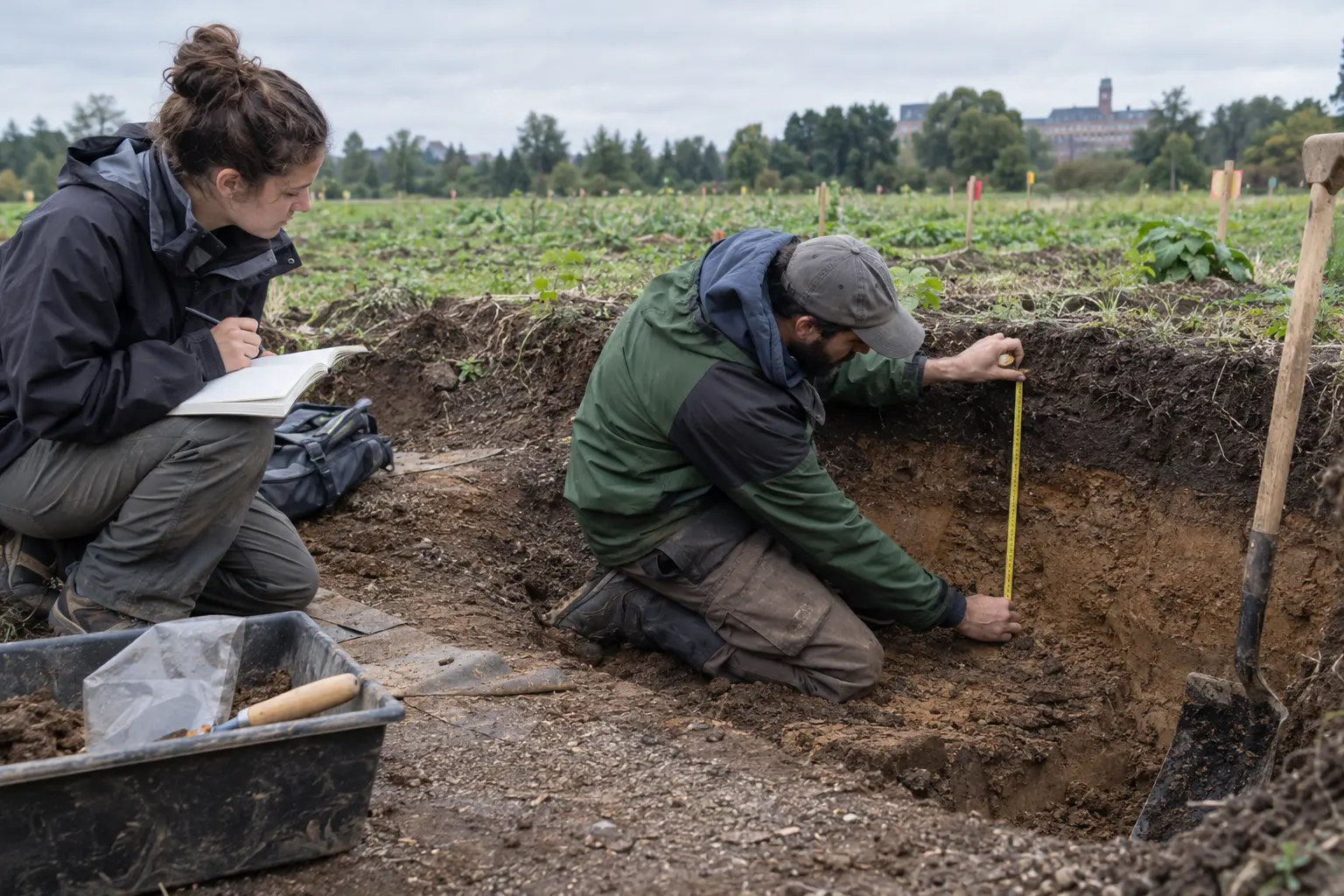
The Agrinovo O2-100 measures oxygen in soil air from 0 to 25 %VOL with an electrochemical cell, 0.1 %VOL resolution and a response time under 15 seconds, and reports it over RS485 Modbus RTU to any logger. In a research plot it is buried at the depths of interest next to a soil water tension sensor, so each wetting event shows how far oxygen fell and how long the root zone took to recover.
At a glance
- Measuring principle and range
- Electrochemical cell with temperature compensation, 0 to 25 %VOL
- Resolution and accuracy
- 0.1 %VOL; ±2% FS at 25°C; repeatability ≤1% FS
- Level that limits roots
- Root growth of most plants is limited below about 10% oxygen in soil air
- Interface
- RS485 Modbus RTU, one register, 7 to 24 VDC, ≤15 mA average
Most irrigation and drainage experiments log soil water and stop there. The stress that excess water puts on roots arrives through the gas phase: pores fill, oxygen stops moving, and respiration uses up what is left. The O2-100 measures that gas phase directly, as a volume percentage of oxygen in soil air, on a probe 97 mm long and 30 mm in diameter that a research group can bury at several depths and read from its own logger.
What the O2-100 measures
The sensing element is an electrochemical cell with built-in temperature compensation. It reports oxygen concentration in %VOL over RS485 Modbus RTU. These are the datasheet values:
| Parameter | Specification |
|---|---|
| Measured parameter | Oxygen concentration |
| Range | 0 to 25 %VOL |
| Resolution | 0.1 %VOL |
| Accuracy | ±2% FS (at 25°C) |
| Repeatability | ≤1% FS |
| Temperature drift | 0.2% FS per °C |
| Response time | Under 15 seconds |
| Supply voltage | 7 to 24 VDC |
| Average current | ≤15 mA |
| Operating temperature | -20°C to 50°C |
| Operating humidity | 15 to 80% RH (non-condensing) |
| Dimensions | 97 mm length, 30 mm diameter |
Full scale is 25 %VOL, so the ±2% FS accuracy figure corresponds to 0.5 %VOL at 25°C. The range covers open air, at about 21% oxygen, down to a fully depleted soil atmosphere.
What a soil oxygen reading says about roots
Roots and soil organisms respire, and the oxygen they use has to diffuse down from the surface through air-filled pores. Two published figures frame the scale. A review of waterlogging management by Manik and colleagues states that soil oxygen concentration should be above 10%, against 21% in the atmosphere. Eric Wiseman’s plant health article in Arborist News gives the matching threshold from the tree physiology literature: when oxygen in bulk soil air drops below 10 percent, root growth of most plants is limited. The same article notes that the rate at which oxygen diffuses to the root surface is of greater importance than the bulk concentration, which is the reason to record soil wetness next to every oxygen probe.
Water is what closes the supply. King and colleagues, reviewing crop resource capture, cite a 10,000 fold slower rate of oxygen diffusion through water than through air, and Cornell’s composting engineering pages put the ratio at 6,000 to 10,000. Once pores are water-filled, demand outruns supply quickly: the King review says soil oxygen can be depleted within hours, with the rate depending on depth and temperature, and a 2025 modelling paper in Quantitative Plant Biology describes soil turning anaerobic within a few hours to a few days of waterlogging. The King review also reports that in some crops and growth stages waterlogging as short as three days reduced yield.
Wiseman describes what follows in the plant. Roots switch to anaerobic respiration, which carries them through short episodes, and injury builds over longer ones as its byproducts accumulate. Plants in chronically saturated or compacted soil often develop a shallow root system above the oxygen-poor zone. Compaction works on the same variable from another side, by removing the large pores that drain and carry air.
Where the sensor fits in an experiment
Waterlogging and drainage trials
The quantity a drainage treatment is meant to change is the time the root zone spends short of oxygen. Probes at two or three depths per treatment give that duration directly: the hour oxygen starts to fall after a wetting event, the minimum it reaches, and the hour it climbs back through the level chosen as the threshold. Because the O2-100 reads soil air, it is placed in the layer that drains between events. The datasheet asks that the sensing membrane be kept clear of standing water and of saturation, so in a trial with an imposed water table the probes sit above it.
Irrigation experiments
Frequency and dose treatments differ in how long the soil stays near saturation after each pulse. An oxygen trace at the depth of the main root mass, beside a tension sensor, shows whether a high-frequency treatment keeps the profile aerated between pulses or holds it in the range where diffusion is restricted. With a response time under 15 seconds the sensor itself adds no meaningful lag at the hourly scale these events run on.
Compost and substrate studies
Cornell’s operator fact sheet on oxygen gives the reference levels for a composting pile: organisms survive with as little as 5 percent oxygen, and when oxygen in the large pores falls below 10 percent, parts of the pile can become anaerobic. The fact sheet adds that oxygen supplied by turning lasts only a few hours, which a continuous record makes visible. In coir, rockwool and other growing media the same measurement shows how a substrate re-aerates after each irrigation. A hot pile needs a check against the 50°C upper operating limit, and the membrane has to stay free of condensation and sticky particles.
Root-zone respiration
In a sealed incubation vessel or a closed root-zone chamber, the slope of the oxygen trace is the respiration signal. The 0.1 %VOL resolution sets the smallest step the record can show, and the temperature drift of 0.2% FS per °C is a reason to hold the chamber at constant temperature or to log temperature beside it.
Installing the probe
The datasheet’s installation notes are short and specific:
- Install the probe in the active root zone at the depth of interest.
- Ensure firm soil contact around the sensing end.
- Keep the sensing membrane clear of standing water, and avoid condensation and water saturation at the membrane.
- Install at multiple depths to build an oxygen profile.
- Keep the sensing cell free of sticky particles and debris.
- Do not open the housing or touch the membrane.
Connect power with correct polarity and inside the 7 to 24 VDC range. The datasheet warns that reverse polarity or overvoltage permanently damages the sensing cell.
Pairing oxygen with soil water tension
An oxygen record becomes interpretable when it sits against a wetness record from the same depth. Soil water tension is the natural partner, because it describes how tightly water is held and therefore which pores have emptied.
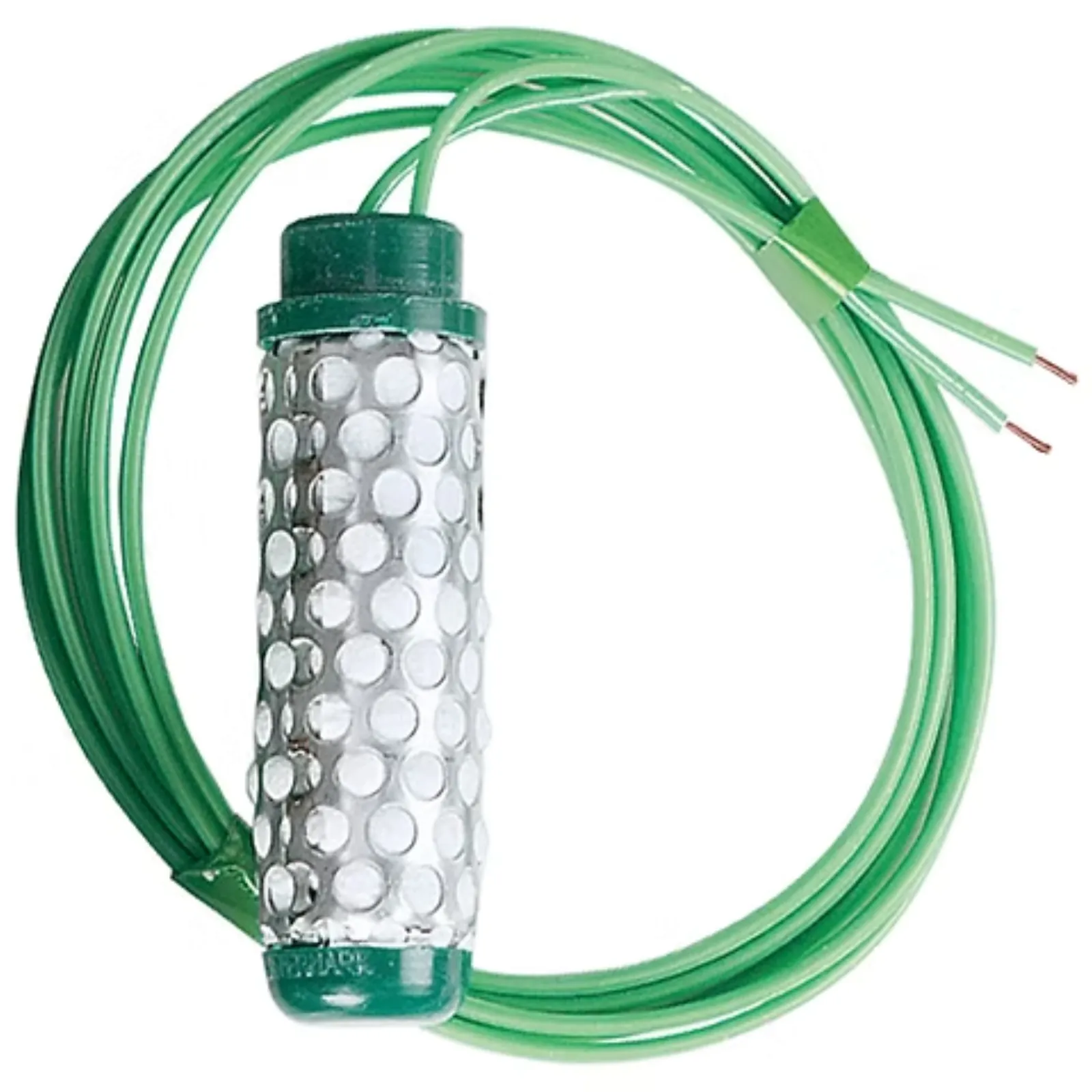
- Watermark 200SS: granular matrix sensor, 0 to 200 cb, buried for the season. It follows the soil through full wetting and drying cycles in field plots.
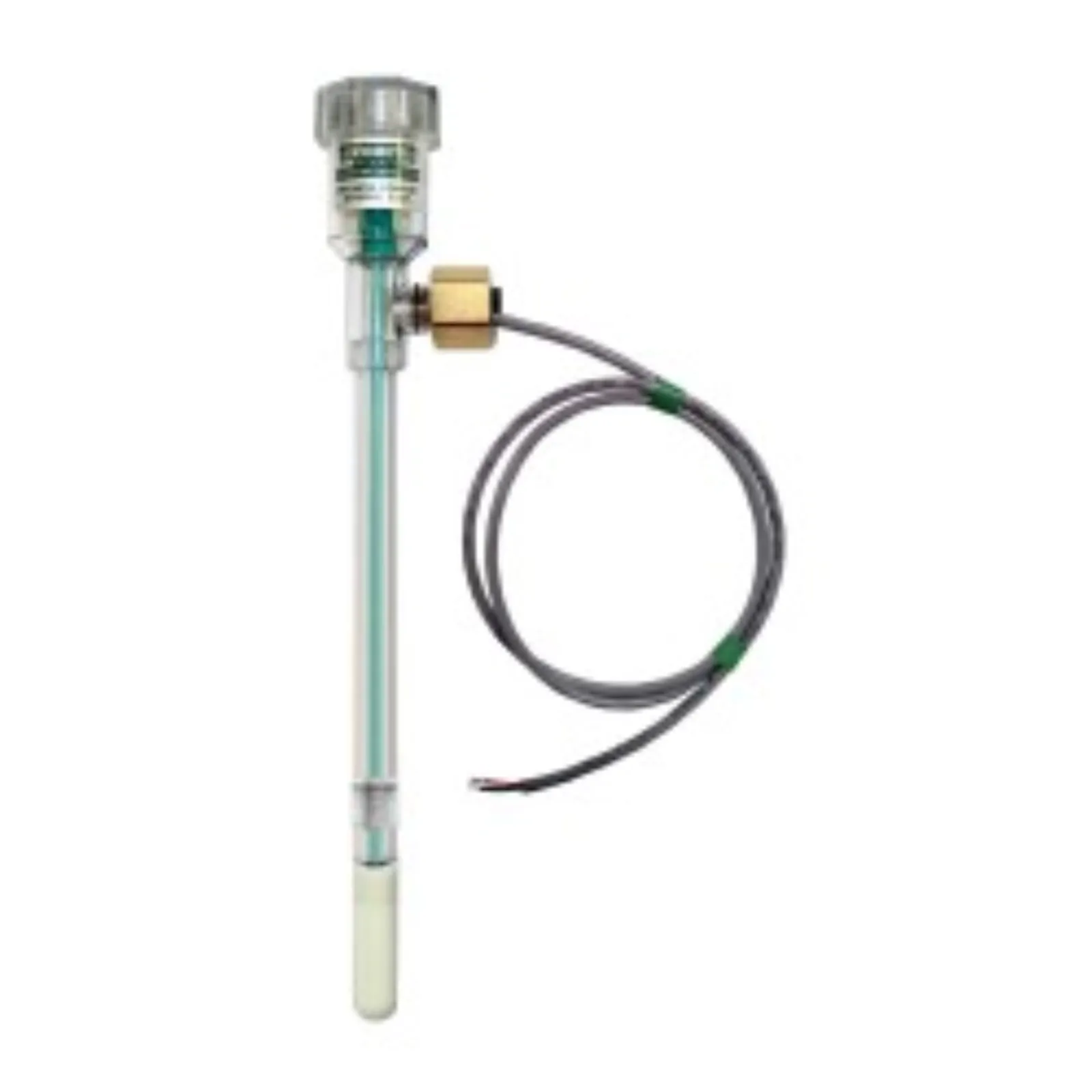
- Irrometer SR tensiometer: 0 to 100 cb, for medium to heavy soils, in lengths from 15 to 120 cm. It reads the wet end, where aeration is decided, directly.
- Irrometer LT tensiometer: 0 to 40 cb, for coarse and sandy soils and potting soil.
- Irrometer MLT: a 171 mm miniature tensiometer with a 0 to 40 cb gauge for small containers and pots.
Plot oxygen against tension for each depth and the result is the tension at which that soil re-aerates after wetting. Comparing that curve between tillage, compaction or amendment treatments is a direct test of whether the treatment changed aeration.
Reading it from your own logger
The O2-100 is a Modbus RTU slave on RS485: 9600 bps, 8 data bits, no parity, 1 stop bit, default address 0x01. The measurement is one holding register.
Request:  01 03 00 00 00 01 84 0A
Response: 01 03 02 00 D1 78 18
The returned value 0x00D1 is 209, and 209 divided by 10 is 20.9 %VOL. The slave address is changed by writing register 0x0000 with function 0x06, across 0x01 to 0xFE, followed by a power cycle, so the probes of a depth profile can share one bus. Wire colours, the address frames and the discovery address are on the O2-100 developer page.
Logging with the Genesis controller
Groups that prefer a finished station use the Omni Genesis controller. It has four sensor ports, each configured from the cloud for RS485 Modbus RTU, analog, SDI-12 or another supported protocol, and it powers each port only while the sensor is being read. Several RS485 probes share one port at their own addresses, which leaves ports for the tension sensors. The controller reports over 4G-LTE, with Wi-Fi and Bluetooth built in, and runs on rechargeable batteries with a solar input, so a plot far from mains power records oxygen and tension on one timeline. Data export is covered on the API page, and quotations and purchase orders for university procurement are on the research purchasing page.
Agrinovo hardware for this application
Every item links to its product page with the datasheet. Specifications on those pages come from the manufacturer documents, not from this article.
soil
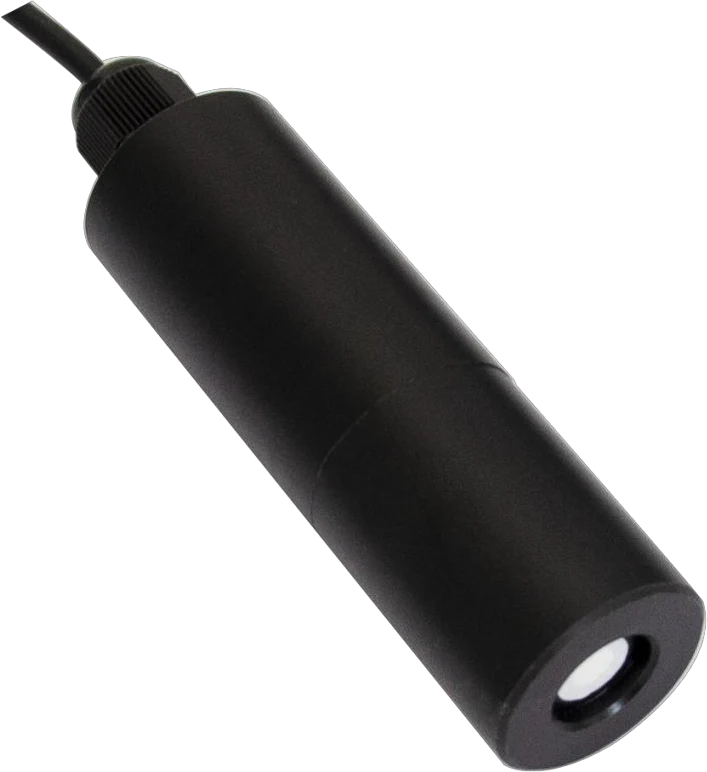
O2-100 Soil Oxygen Sensor
soil
Watermark 200SS Granular Matrix Soil Moisture Sensor
soil
Irrometer SR Tensiometer - Standard Range, 0-100 cb
soil
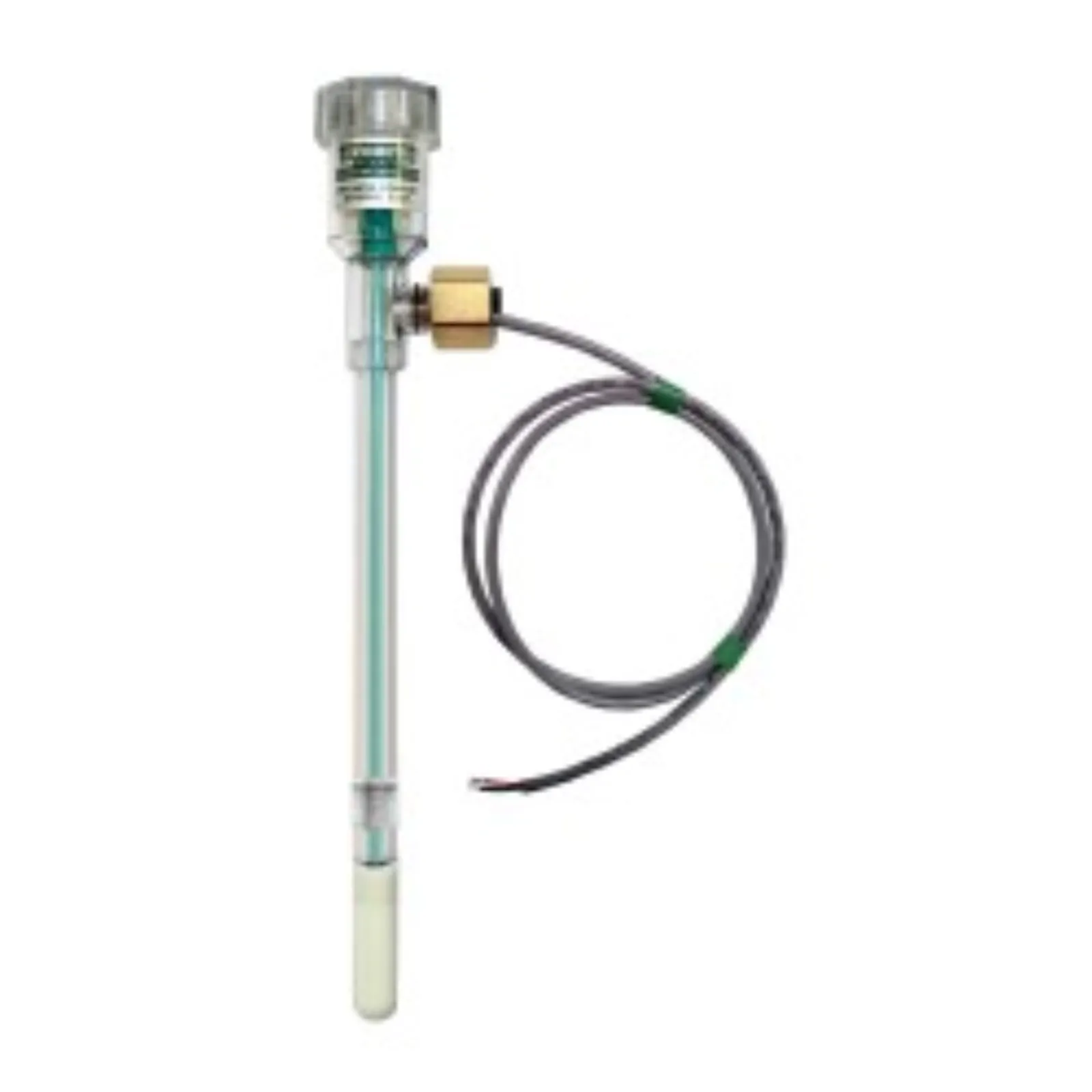
Irrometer LT Tensiometer - Low Tension, 0-40 cb
soil
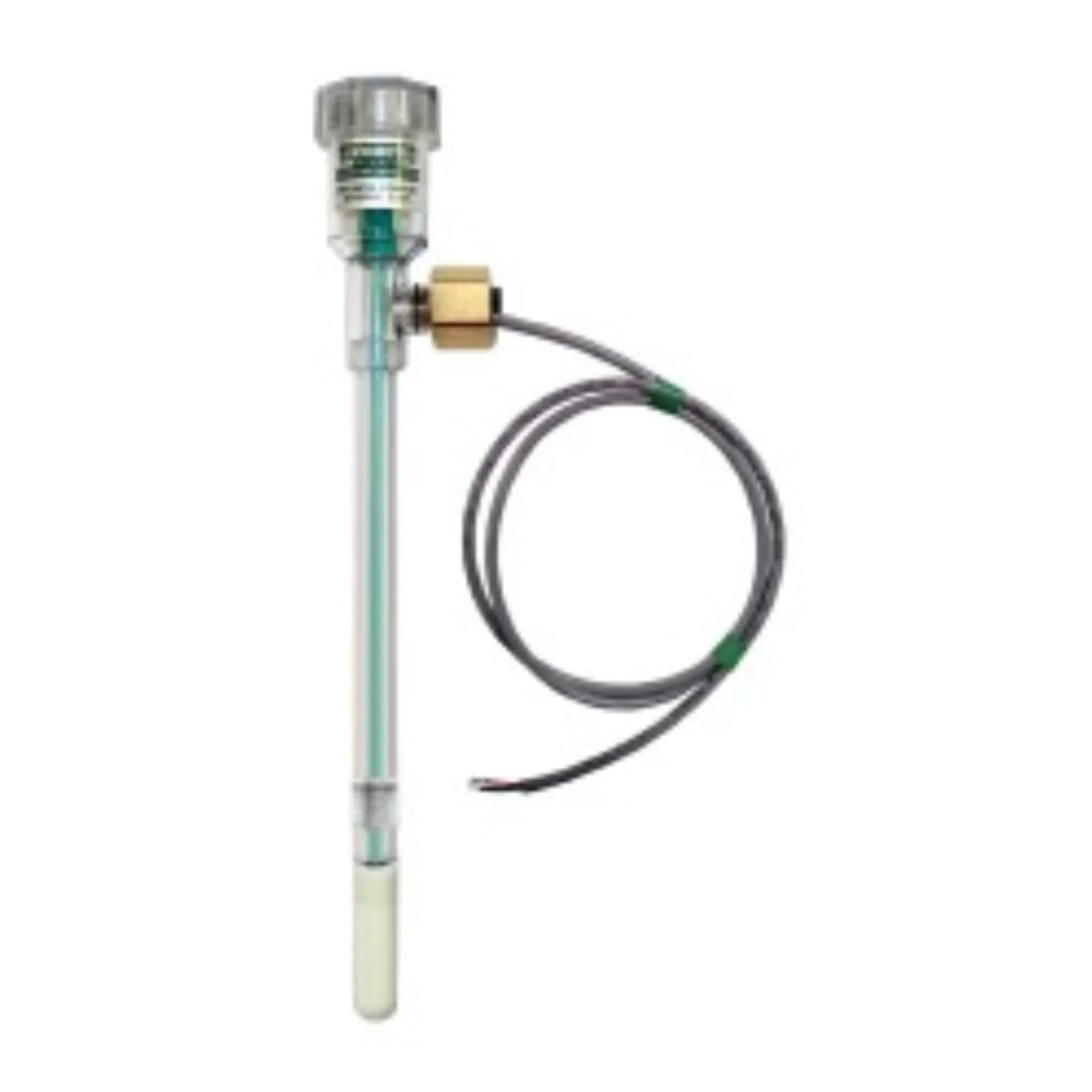
Irrometer MLT Miniature Low Tension Tensiometer
controllers
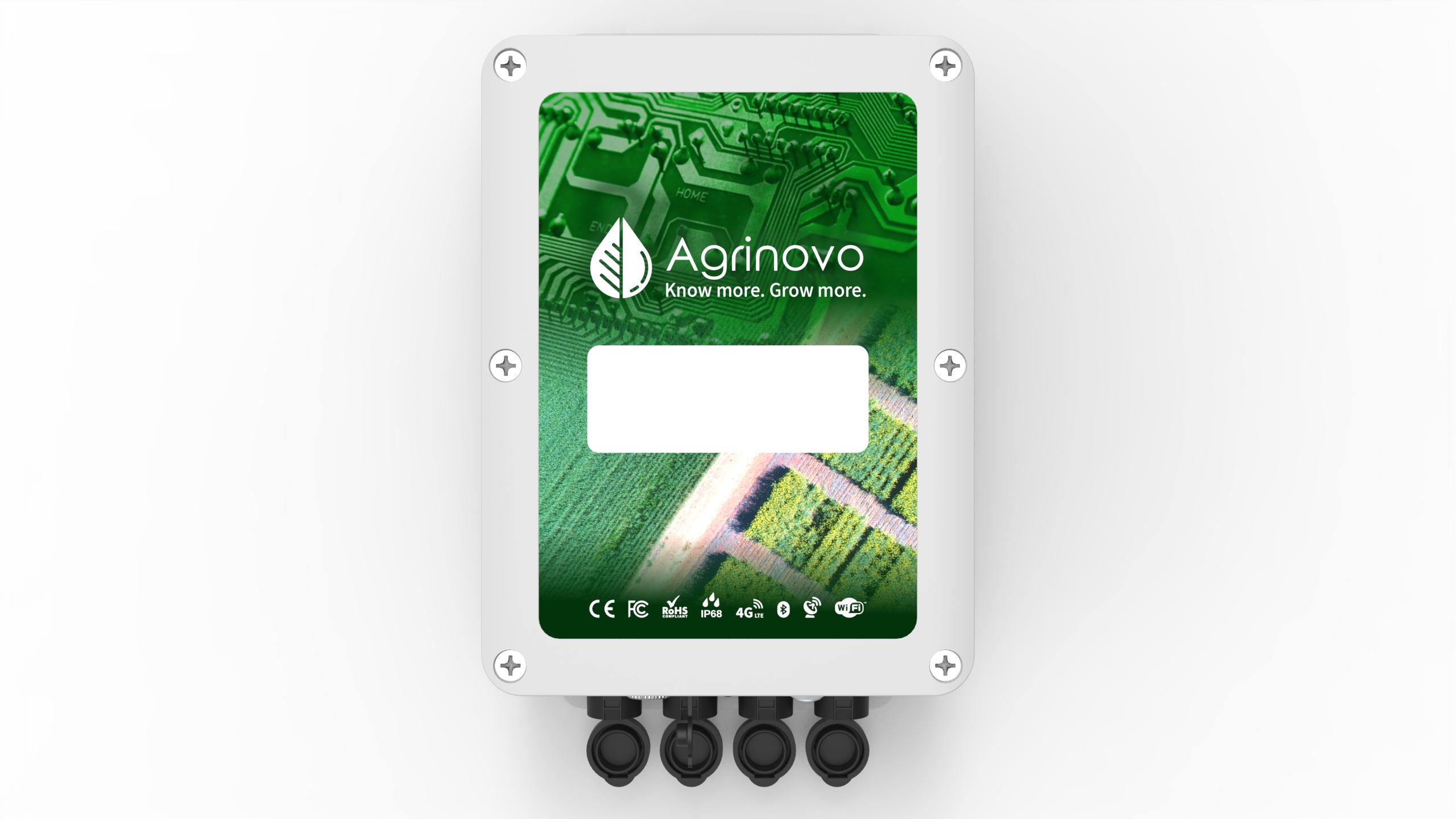
Omni Genesis IoT Controller - 4-Port, Solar, IP65
Frequently asked questions
What does the O2-100 soil oxygen sensor measure, and over what range?
What soil oxygen level is a problem for roots?
Can I read the O2-100 with my own data logger or microcontroller?
How should the O2-100 be installed in soil?
Which soil water sensor should be paired with a soil oxygen sensor?
Can the O2-100 be used in compost and soilless substrates?
Sources
The agronomy on this page comes from the publications below. Where a number is not on this list, we left it out.
- Soil and Crop Management Practices to Minimize the Impact of Waterlogging on Crop Productivity (Frontiers in Plant Science, 2019), S. M. Nuruzzaman Manik, Georgina Pengilley, Geoffrey Dean, Brian Field, Sergey Shabala, Meixue Zhou; Frontiers in Plant Science
- Soil Organic Matter as Catalyst of Crop Resource Capture (Frontiers in Environmental Science, 2020), Alison E. King, Genevieve A. Ali, Adam W. Gillespie, Claudia Wagner-Riddle; Frontiers in Environmental Science
- Water Stress in Trees, Topics in Plant Health Care (Arborist News, June 2004), Eric Wiseman; Arborist News
- A minimal mechanistic model of plant responses to oxygen deficit during waterlogging (Quantitative Plant Biology, 2025), Silou Chen, Hugo J. de Boer, Kirsten ten Tusscher; Quantitative Plant Biology
- Oxygen, Operator's Fact Sheet 4 of 10, Tom Richard; Cornell Cooperative Extension
- Oxygen Transport, Cornell Composting Science and Engineering, Tom Richard; Cornell Waste Management Institute, Cornell University
Other applications
Orchards & plantations
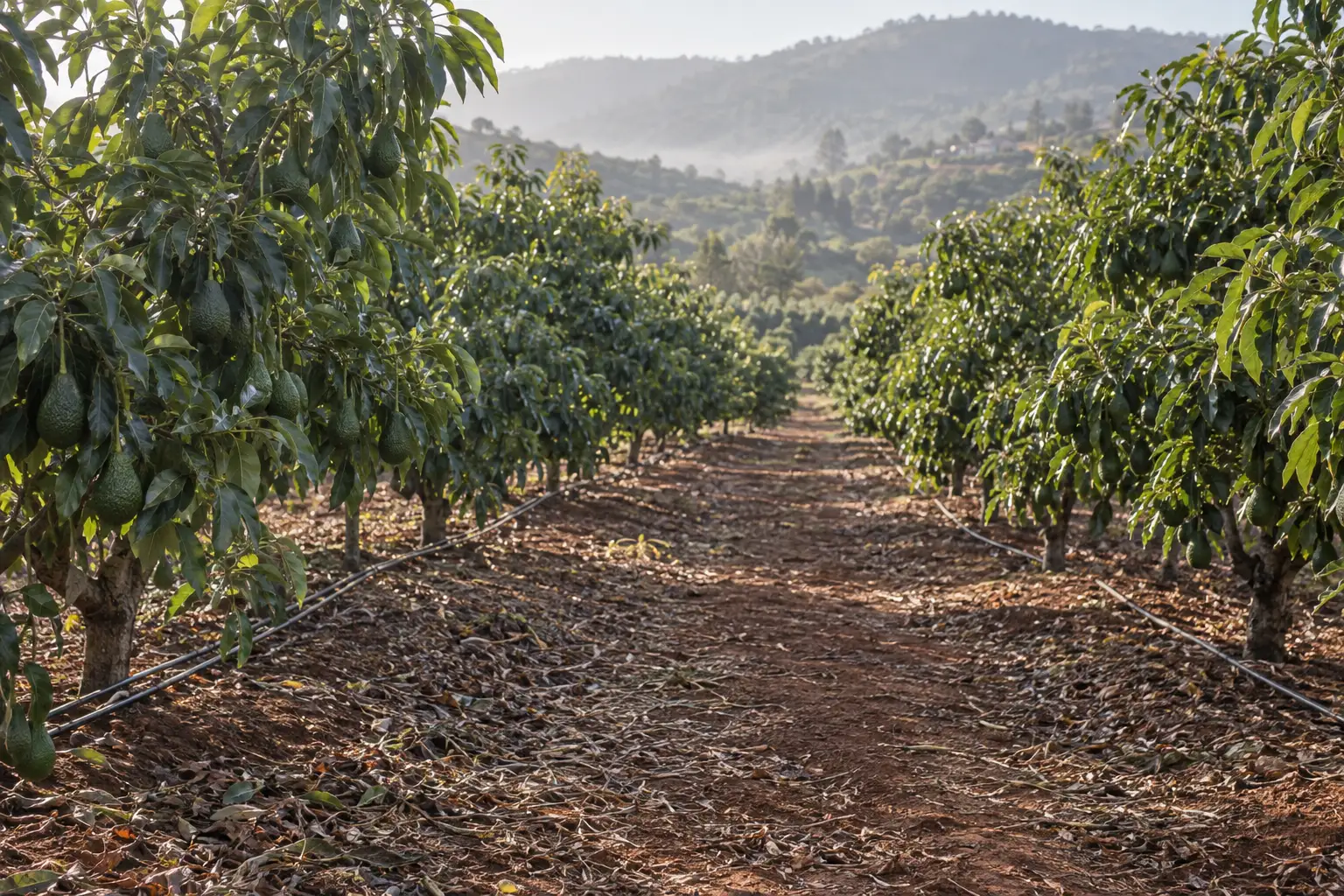
Avocado orchards
Which sensors an avocado orchard needs and where to put them: tensiometers and Watermark probes at 20 and 45 cm, irrigation triggers by soil type, EC of the irrigation water, and the Agrinovo hardware that reads them remotely.
Orchards & plantations
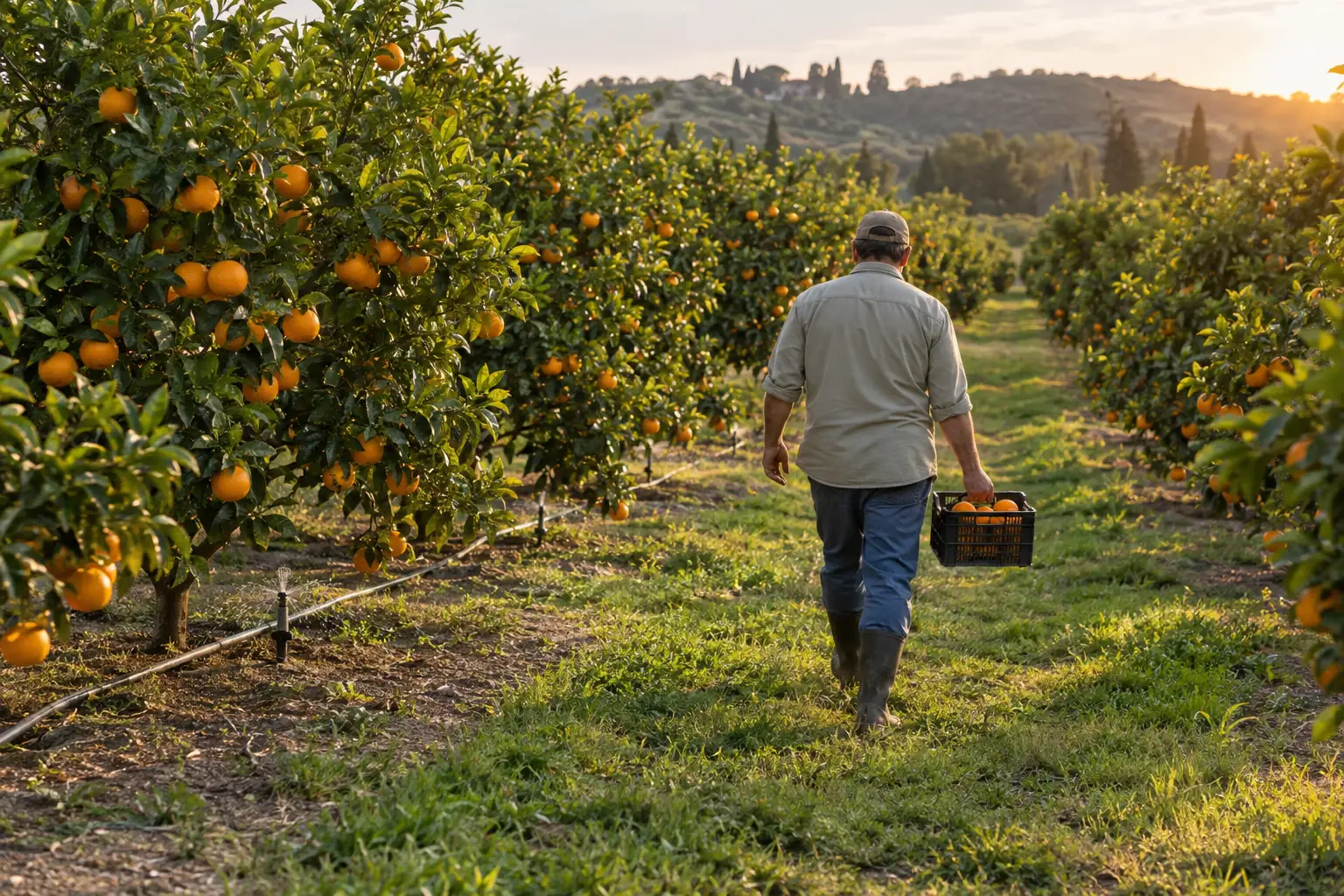
Citrus orchards
Which sensors a citrus grove needs and where they go: two soil water sensors in the top 30 cm at the dripline, depletion and tension triggers, irrigation water EC against rootstock chloride limits, and the Agrinovo hardware.
Orchards & plantations
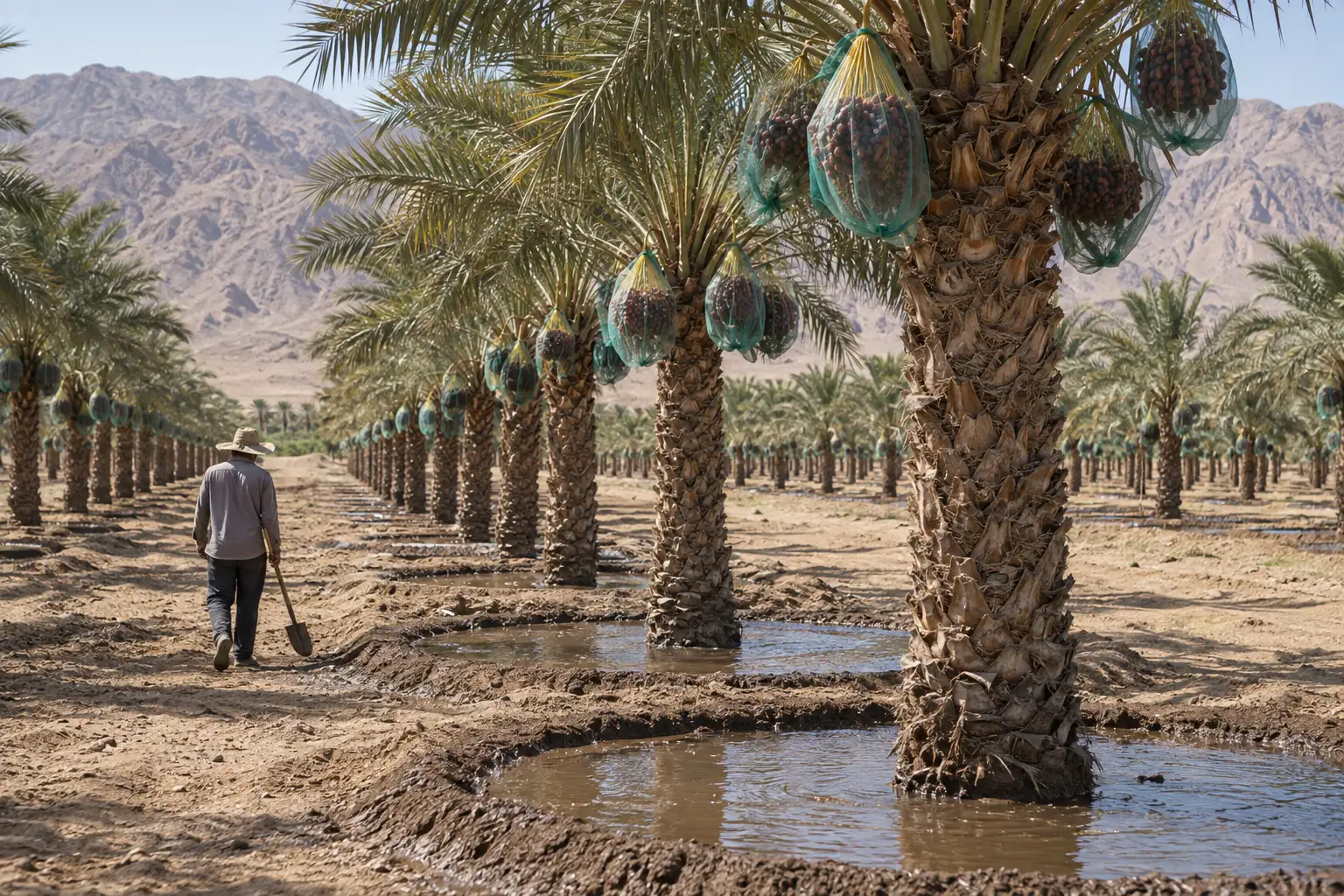
Date palm plantations
Which sensors a date palm plantation needs: tensiometers and Watermark sensors from 30 to 120 cm where the palm draws its water, EC of the irrigation water, and the Agrinovo hardware that reports them over cellular.
Tell us about your plot
Soil type, crop, irrigation method and what you want to see from your phone. We reply with a sensor list and a layout, not a brochure.