EC Sensors - Electrical Conductivity for Water & Agriculture
Professional EC sensors and conductivity probes for aquaculture, irrigation water, and fertigation. Measure TDS and salinity continuously, from fish ponds to nutrient lines and hydroponics.
EC Sensors - Electrical Conductivity for Water & Agriculture
7 products found
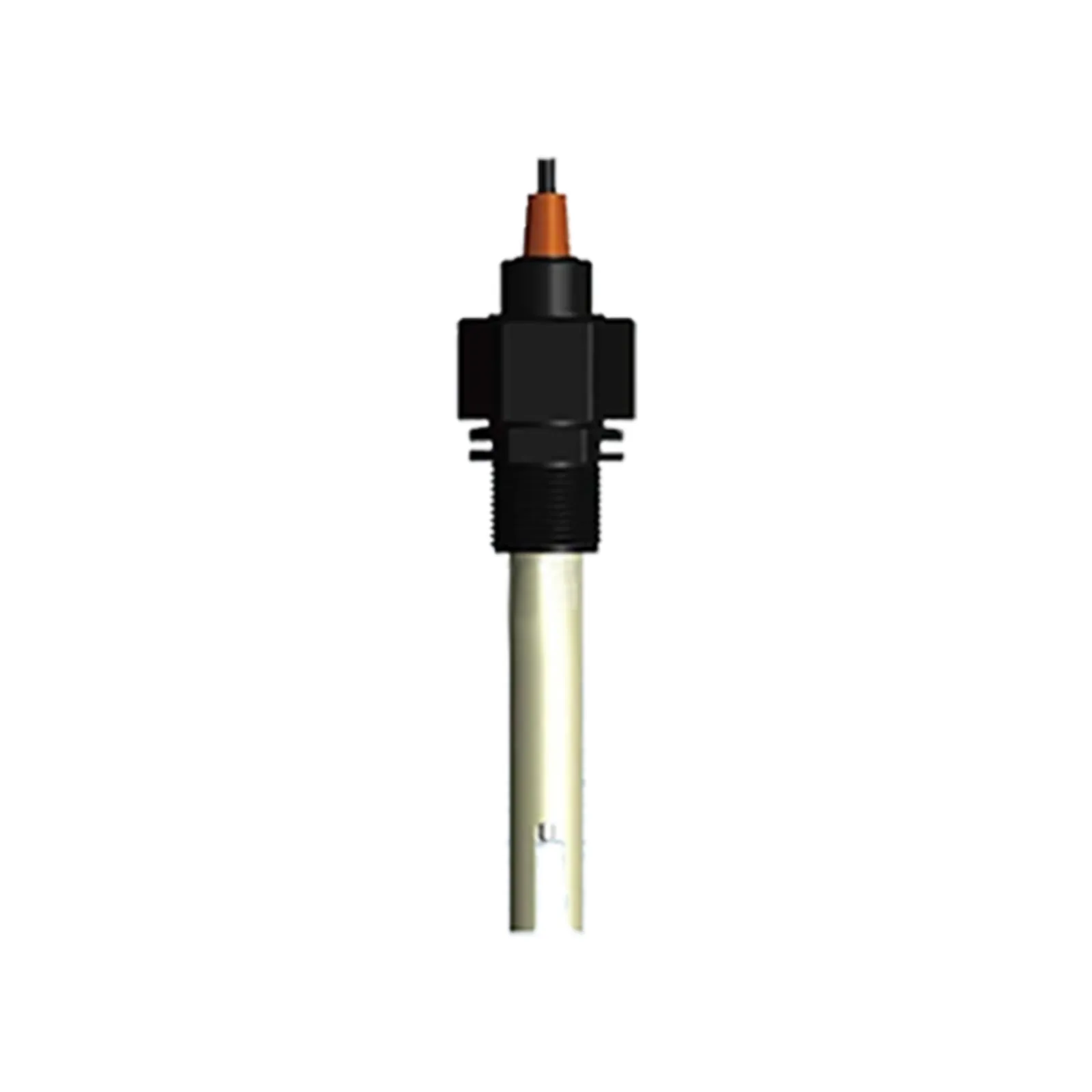
EC-10 Analog Conductivity Probe
Practical conductivity sensor (1-2000 µS/cm, K=1) with plastic shell. Analog output for industrial water and wastewater.
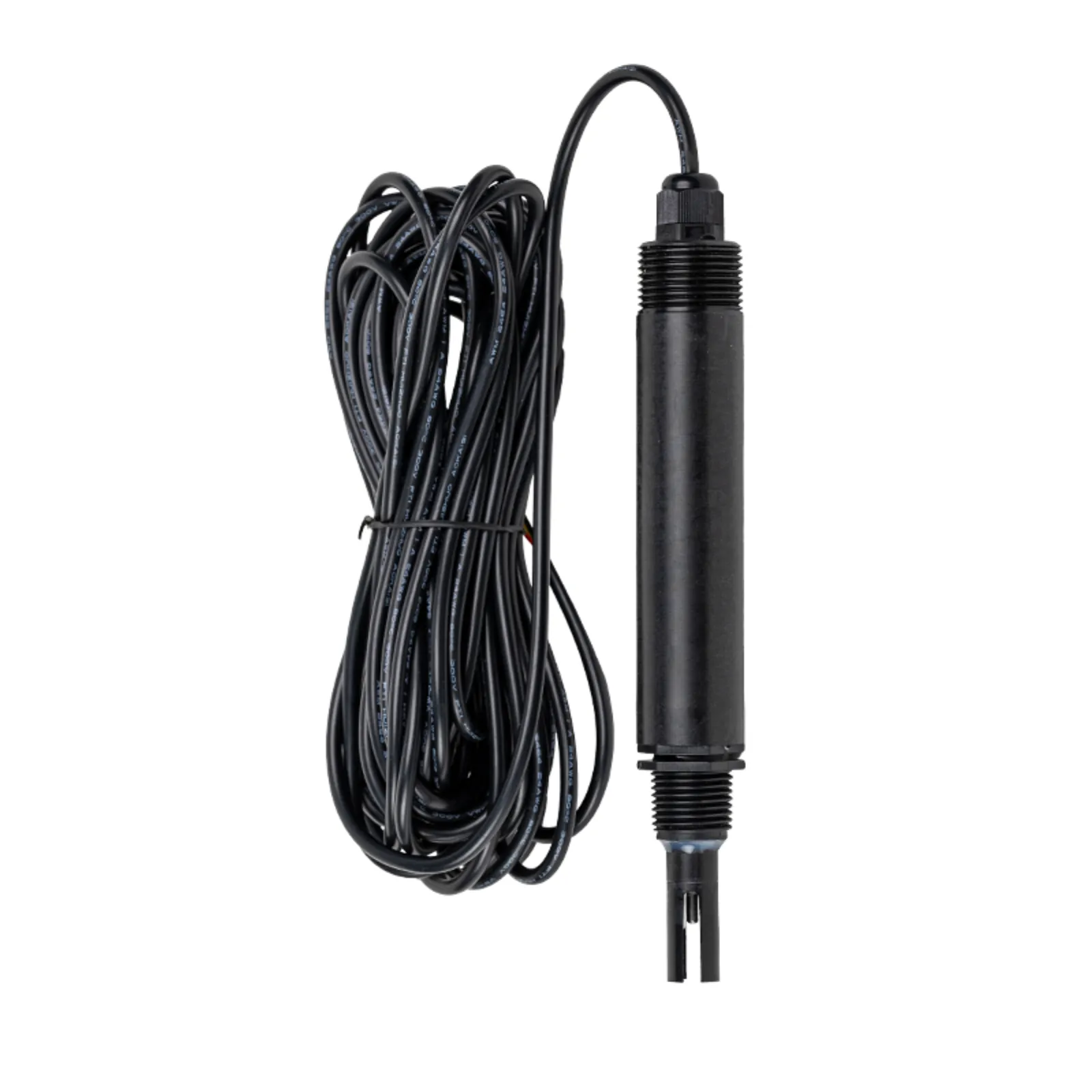
EC-100 Digital Conductivity Probe
Digital conductivity sensor (0.2 µS/cm - 100 mS/cm, selectable cell constants) with two-graphite electrodes. RS485 output for industrial water monitoring.

EC-110 Digital Conductivity & Salinity Sensor - 0 to 200 mS/cm
High-range digital probe with K=10.0 graphite electrode and PTFE housing. Conductivity 0 to 200 mS/cm, salinity 0 to 100 ppt, TDS, temperature on RS485 Modbus.
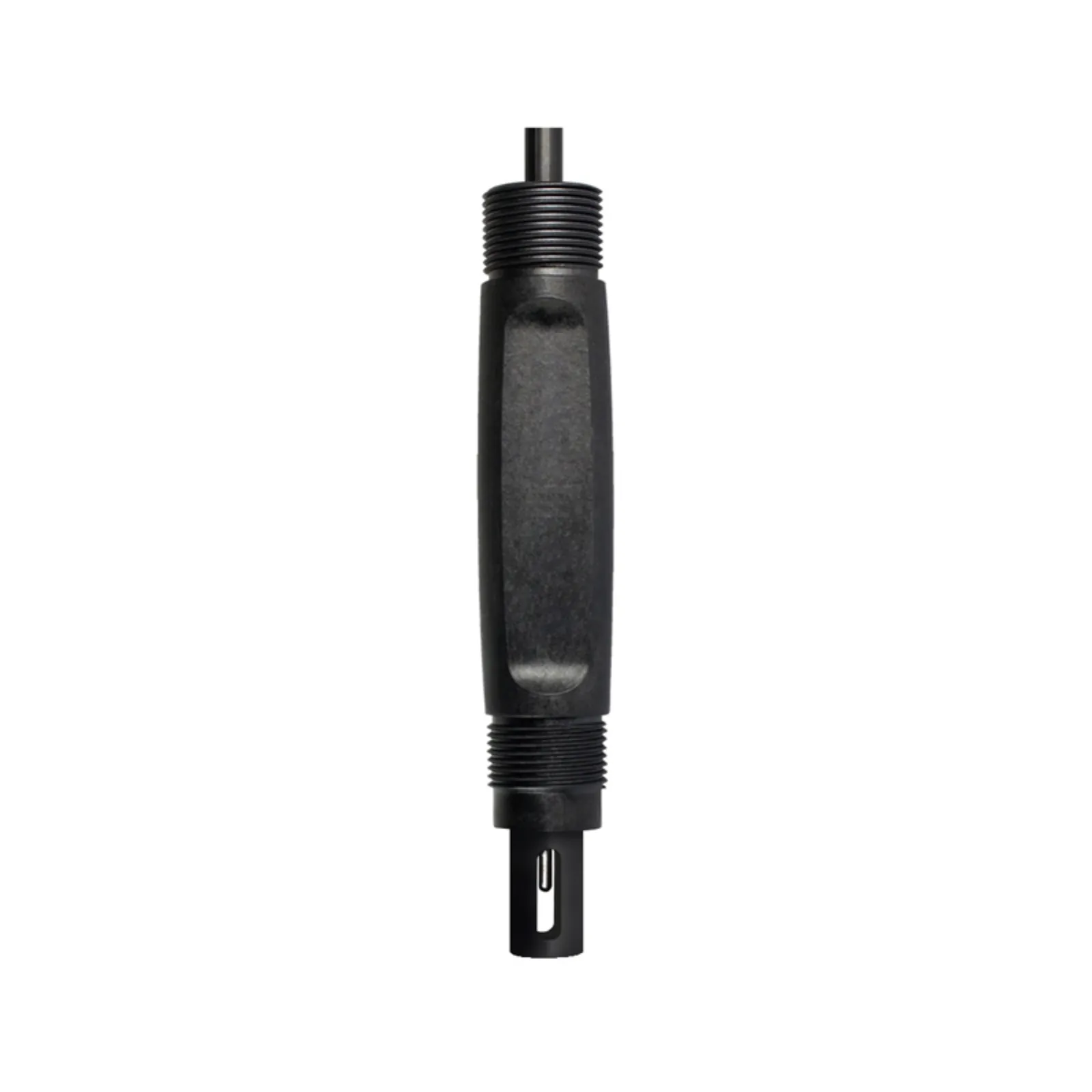
EC-120 High Conductivity Digital Probe
Digital salinity and conductivity probe with K=10.0 graphite electrode and PTFE body. 0 to 200 mS/cm, 0 to 100 ppt, TDS and temperature on RS485 Modbus.
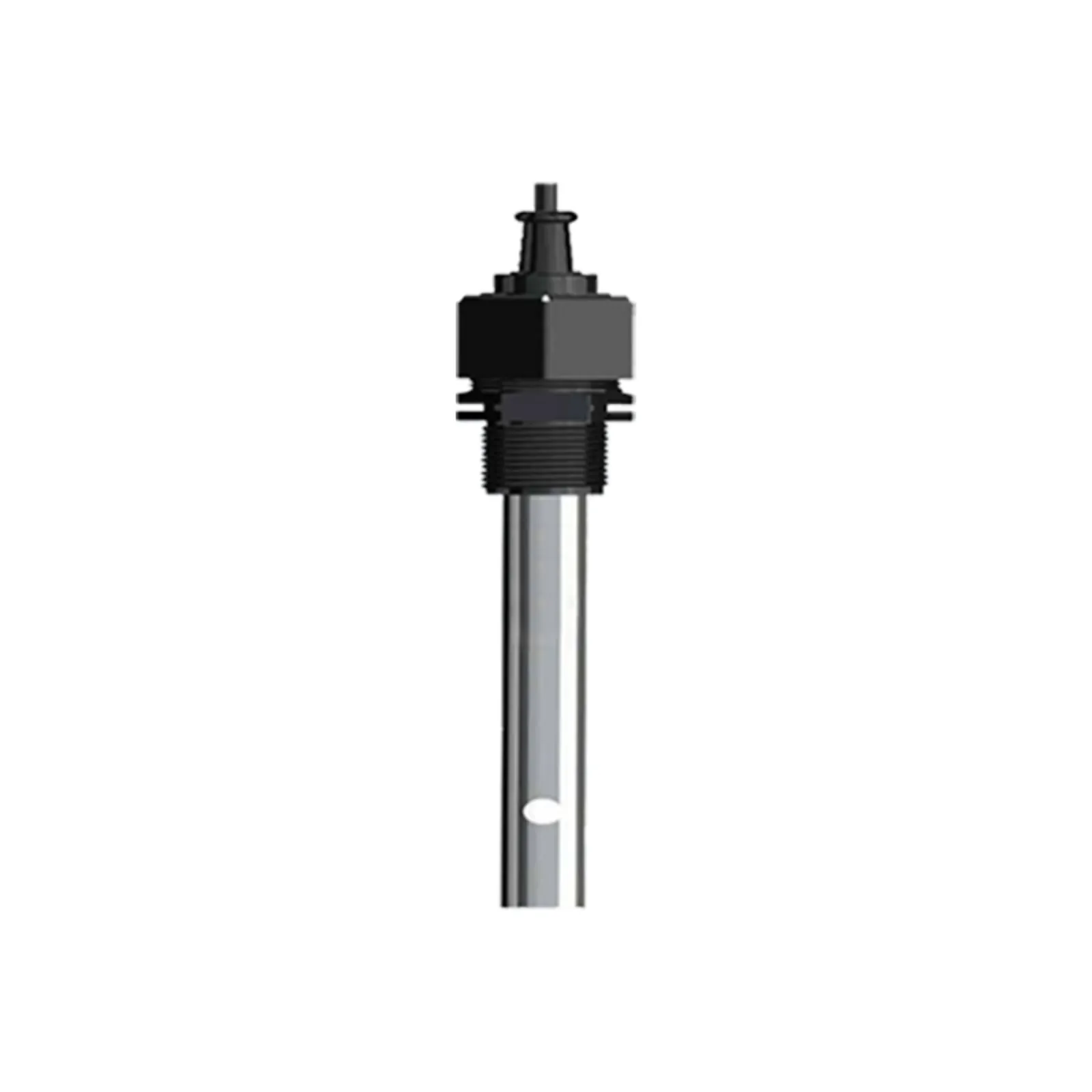
EC-GS10 Stainless Steel Conductivity Probe
316L stainless steel EC sensor with K=1, 0.1, or 0.01 cell constants. From ultra-pure water to industrial monitoring.
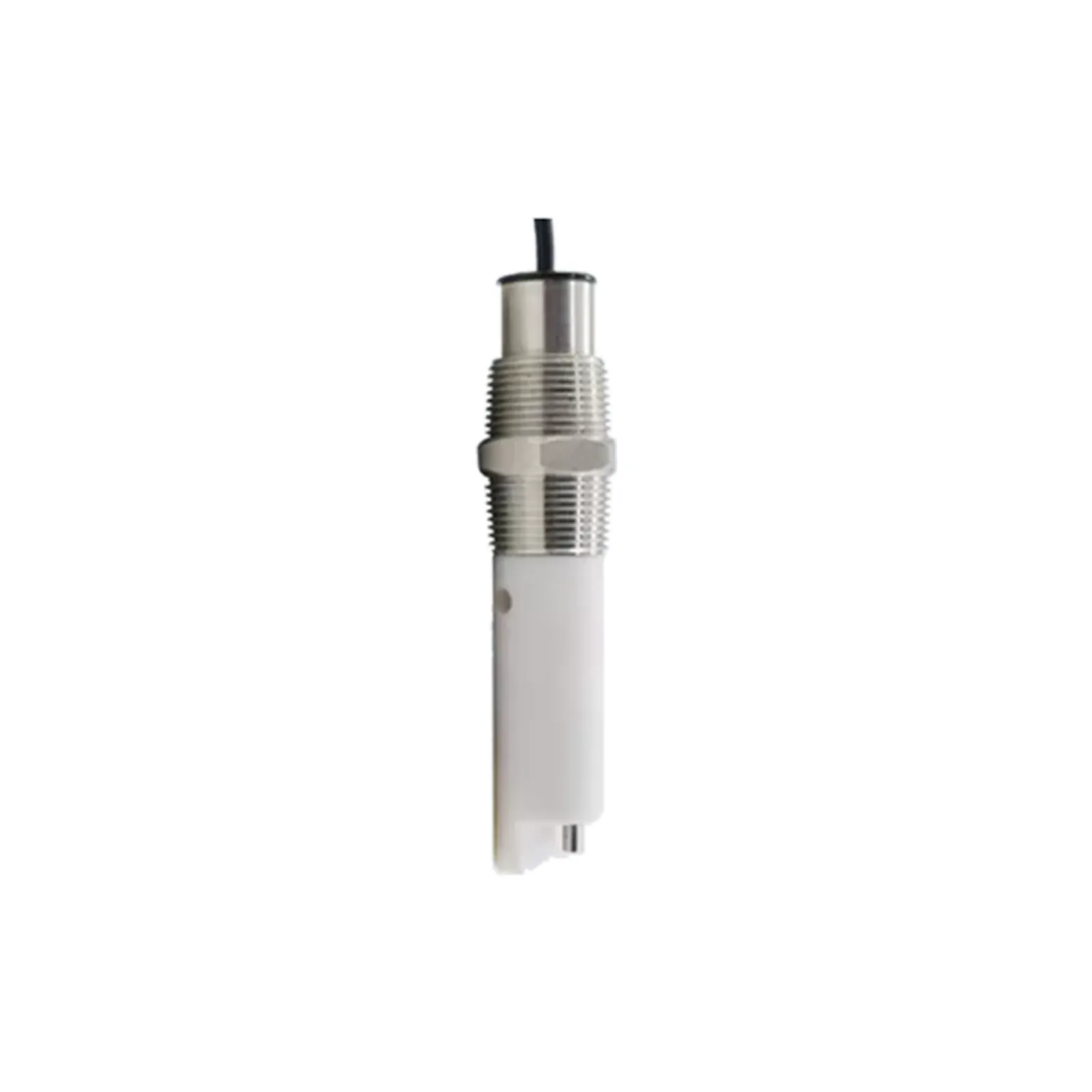
EC-J10 Heavy-Duty Analog Conductivity Probe
Heavy-duty analog EC sensor (1 µS/cm - 200 mS/cm) with PVDF body for seawater, high-temp, and chemical applications.
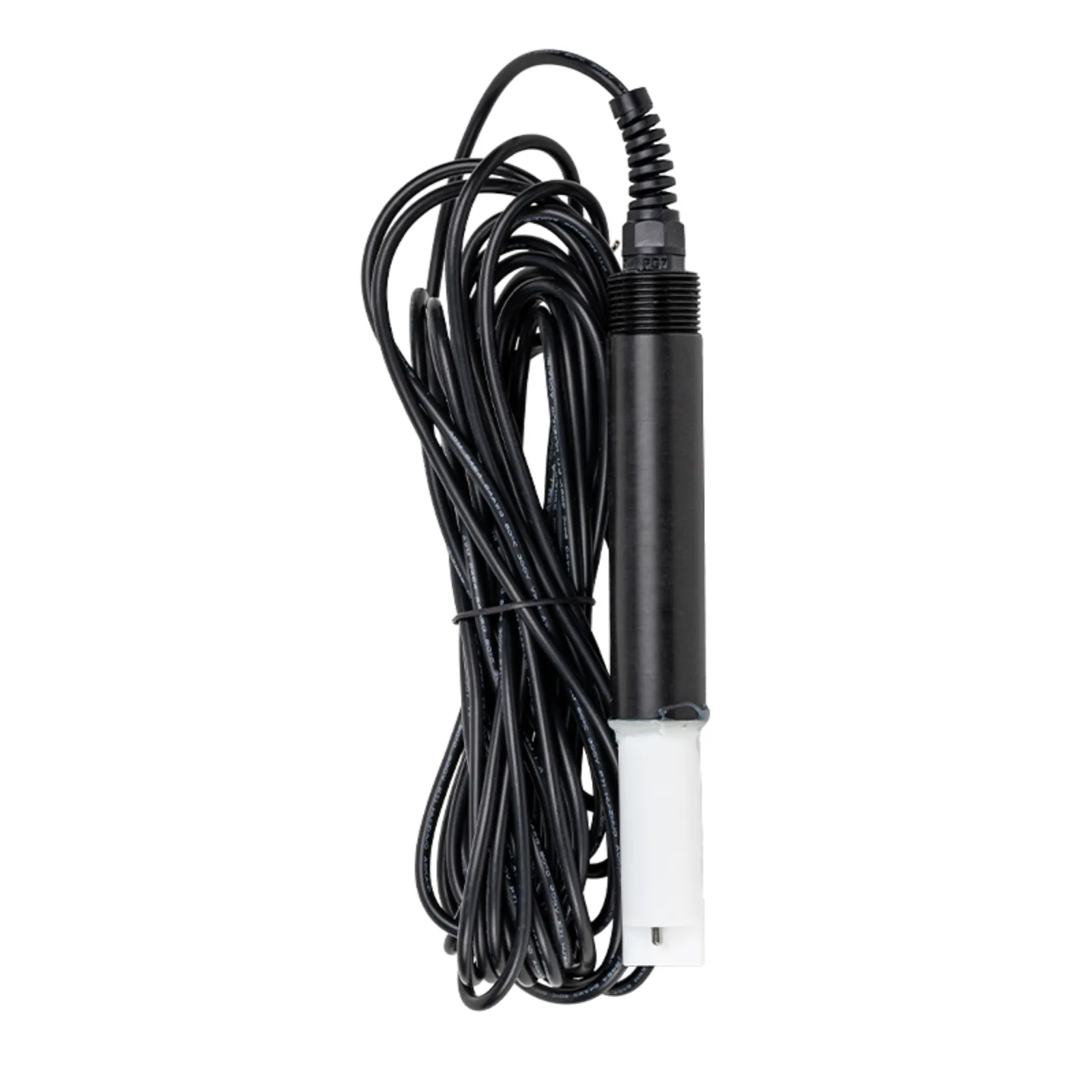
EC-J100 Heavy-Duty Digital Conductivity Probe
Heavy-duty digital EC sensor (10 µS/cm - 200 mS/cm) with fluorine-titanium electrodes for seawater and chemical environments.
How to choose a conductivity sensor
A conductivity sensor, an EC sensor and an EC probe are the same instrument: two electrodes that measure how well water carries current. Salinity and TDS are calculated from that reading. The Agrinovo range splits by three things: how conductive the water is, what the water does to the probe body, and what will read the signal.
| Model | Output | Range | Body or electrode | Choose it for |
|---|---|---|---|---|
| EC-100 | RS485 Modbus RTU | 0.2 µS/cm to 100 mS/cm (by cell constant) | Two-graphite electrode | Freshwater, groundwater, irrigation and general use |
| EC-110 | RS485 Modbus RTU | 0 to 200 mS/cm, salinity 0 to 100 ppt | Two-graphite electrode, PTFE housing | Seawater and brine, with salinity and TDS reported directly |
| EC-120 | RS485 Modbus RTU | 0 to 200 mS/cm, salinity 0 to 100 ppt | Graphite electrode, PTFE body | Seawater, brine and acid or alkali solutions, with float output in engineering units |
| EC-J100 | RS485 Modbus RTU | 10 µS/cm to 200 mS/cm | Fluoropolymer and titanium | Seawater, hot or corrosive liquids, chemicals |
| EC-10 | Analog | 1 to 2,000 µS/cm | Plastic shell | Tap water, groundwater and wastewater on an existing transmitter |
| EC-GS10 | Analog | 0.01 to 2,000 µS/cm (by cell constant) | 316L stainless steel | Ultra-pure water through to process water |
| EC-J10 | Analog | 1 µS/cm to 200 mS/cm | PVDF | Seawater, hot or corrosive liquids on an existing transmitter |
The cell constant sets the range
Every conductivity probe has a cell constant, K, fixed by the geometry of its electrodes. A low constant (K=0.1 or K=0.01) reads very pure water accurately. K=1 covers ordinary fresh water. K=10 reaches the high readings of seawater and brine, up to 200 mS/cm on the EC-110, EC-J10 and EC-J100.
The EC-100 is ordered with K=0.1, 1.0 or 10.0, and the EC-GS10 with K=1, 0.1 or 0.01, so tell us the expected conductivity when you ask for a quote.
Digital or analog
The digital models convert the measurement inside the probe and send conductivity and temperature over RS485 Modbus RTU, with automatic temperature compensation. They connect to an Omni Genesis controller on the same bus as other water quality sensors. The analog models send the raw electrode signal and need a conductivity transmitter.
For help matching a probe to a pond, a nutrient line or a hydroponic system, read how to choose an EC probe, or see the EC sensor overview.