EC-110 Digital Conductivity & Salinity Sensor - 0 to 200 mS/cm
High-range digital probe with K=10.0 graphite electrode and PTFE housing. Conductivity 0 to 200 mS/cm, salinity 0 to 100 ppt, TDS, temperature on RS485 Modbus.
Contact for pricing
Product Highlights
View all in Specifications tabOverview
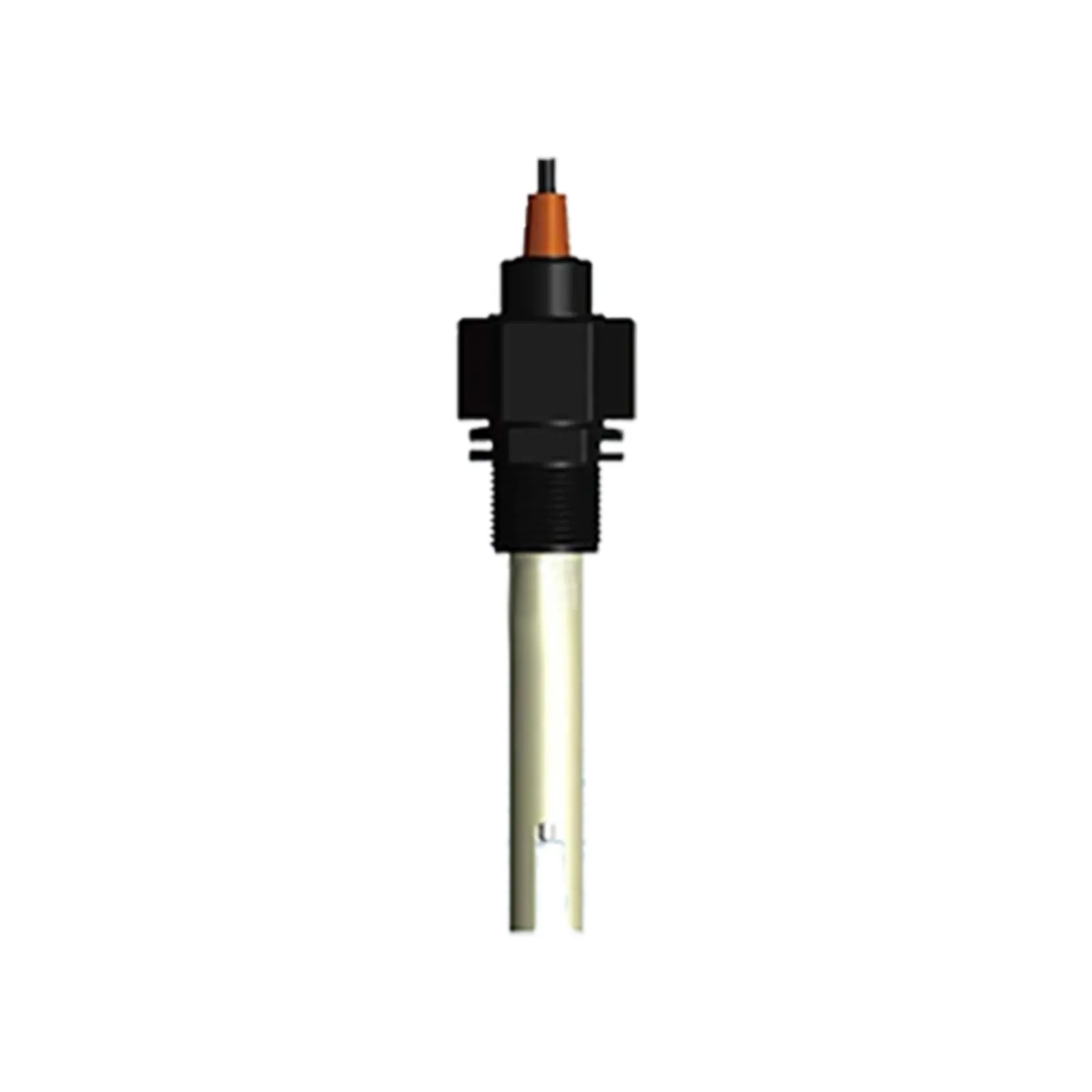
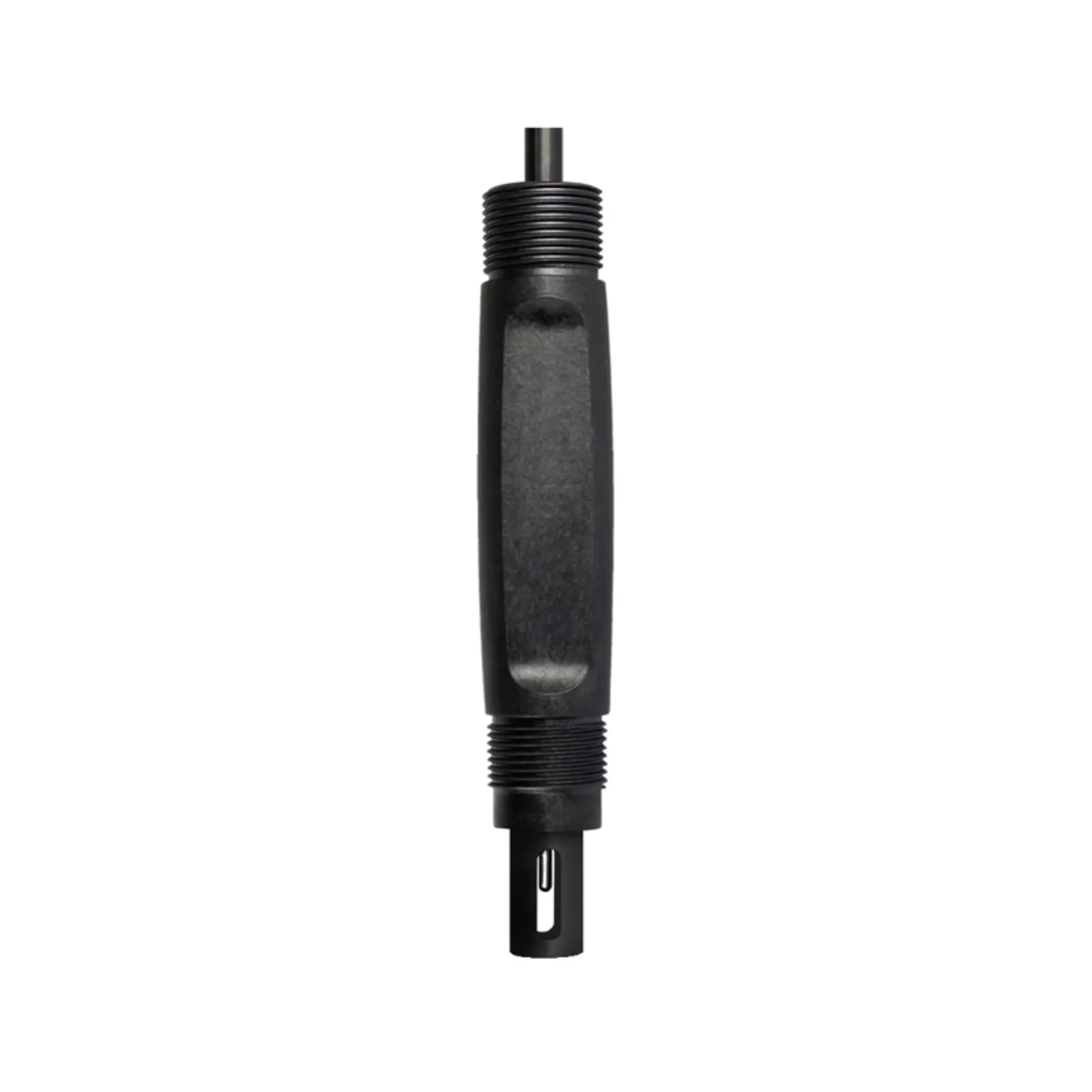
The EC-110 is a high-range digital probe that reports four water-quality measurements over a single RS485 Modbus link: conductivity, salinity, TDS, and temperature. A K=10.0 two-graphite electrode mounted in a PTFE body extends the working range up to 200 mS/cm (200,000 µS/cm) on conductivity and 100 ppt on salinity, well past what general-purpose EC probes cover. PTFE construction tolerates strong acid, strong alkali, and seawater corrosion, making this the right probe for industrial brine, food processing, dye, plating, marine aquaculture, and desalination loops.
Key Features
- Dual-Function Output: Conductivity (µS/cm) and salinity (ppt) reported simultaneously, plus TDS in ppm and temperature in °C
- High-Range Conductivity: 0 to 200 mS/cm over RS485, covers seawater, brackish water, brine, and saturated salt streams
- High-Range Salinity: 0 to 100 ppt direct readout, no manual EC-to-salinity conversion required
- K=10.0 Graphite Electrode: Optimised for high-conductivity environments where K=1.0 probes saturate
- PTFE Housing: Resistant to strong acid, strong alkali, and seawater corrosion
- Automatic Temperature Compensation: Stable readings from 0 to 60°C without manual correction
- RS485 Modbus-RTU: Clean integration with IoT controllers, SCADA, and PLCs
- Low Power: ≤0.5 W on standard 12-24V DC supply
Applications
- Industrial brine and salt processing
- Marine and brackish-water aquaculture
- Recirculating aquaculture systems (RAS)
- Seawater monitoring and desalination plants
- Food processing, fermentation, and dye industry
- Plating and chemical process water
- Wastewater and environmental monitoring
Technical Specifications
The EC-110 measures conductivity from 0 to 200,000 µS/cm and salinity from 0 to 100 ppt with ±1.5% F.S. accuracy. Automatic temperature compensation runs across 0 to 60°C, holding readings stable as ambient and process temperatures swing through the day.
Power consumption stays at or below 0.5 W on a standard 12-24V DC supply, making the sensor compatible with both line-powered controllers and battery-backed cellular gateways.
Connectivity and Integration
The EC-110 communicates over RS485 Modbus-RTU at 9600 bps, 8N1, with default address 0x01. Reading four registers from address 0x0000 returns the full measurement set in one transaction:
- Register 0x0000: Conductivity, value × 10 = µS/cm (range 0 to 200,000 µS/cm)
- Register 0x0001: Temperature, value ÷ 10 = °C
- Register 0x0002: TDS, value × 10 = ppm
- Register 0x0003: Salinity, value ÷ 10 = ppt (range 0 to 100 ppt)
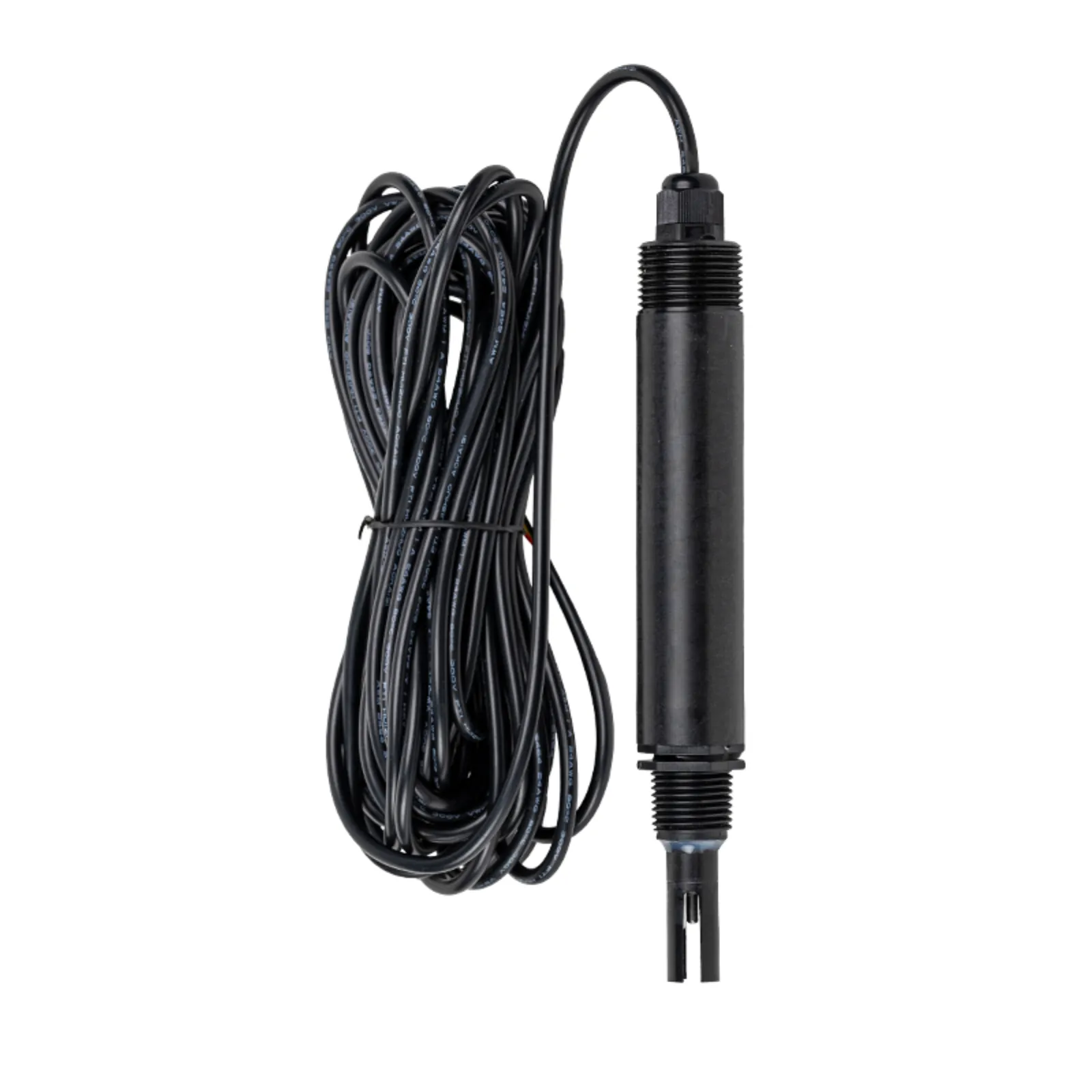
Wire the sensor with red (V+), black (GND), yellow (RS485-A), and green (RS485-B). The slave address is configurable from 0x01 to 0xFE. Broadcast discovery uses address 0xFE with one device on the bus.
Calibration
The EC-110 supports slope calibration via Modbus register 0x0004. The slope is stored as value × 1000, so a slope of 1.200 is written as 1200 (0x04B0):
01 06 00 04 04 B0 [CRC]This lets the sensor be field-trimmed against a known reference standard without removing it from the loop.
Why a Dual-Function Probe Matters
In aquaculture, desalination, and industrial water, both conductivity (µS/cm) and salinity (ppt) carry operational meaning. Conductivity is the raw electrical measurement, used for general water-quality control loops. Salinity is the value most operators read off directly, especially in marine and brine applications. Computing one from the other requires a temperature-corrected formula and a water-composition assumption. The EC-110 returns both as primary measurements, eliminating a class of conversion errors and keeping controller logic simple.
The K=10.0 cell constant is also important. At full-strength seawater (≈35 ppt, ~50 mS/cm), a K=1.0 probe sits at the top of its useful range and is prone to drift. K=10.0 sits comfortably mid-range and extends cleanly to industrial brines past 100 mS/cm.
Installation Notes
The electrode should be fully submerged with the sensing face oriented toward the flow direction. Avoid dead spaces and air pockets, which trap bubbles against the graphite and skew readings. Bypass mounting in a side loop is recommended for stable flow. Keep the sensor surface clean: do not handle the electrode with bare hands or oily objects, and rinse with clean water between deployments. Route the signal cable separately from power lines to keep readings clean.
Compatibility with Agrinovo Controllers
The EC-110 connects natively to all Agrinovo Genesis controllers via RS485 Modbus, the same wiring and configuration as the rest of the Agrinovo aqua sensor family.
Part of our IoT Aquaculture Monitoring System
See how our aquaculture sensors work together in a complete real-time water quality monitoring system for fish farming.
Related Products
Other solutions in the EC Probes category