Crop · Orchards & plantations
Avocado orchard sensors: soil tension, moisture and irrigation water EC
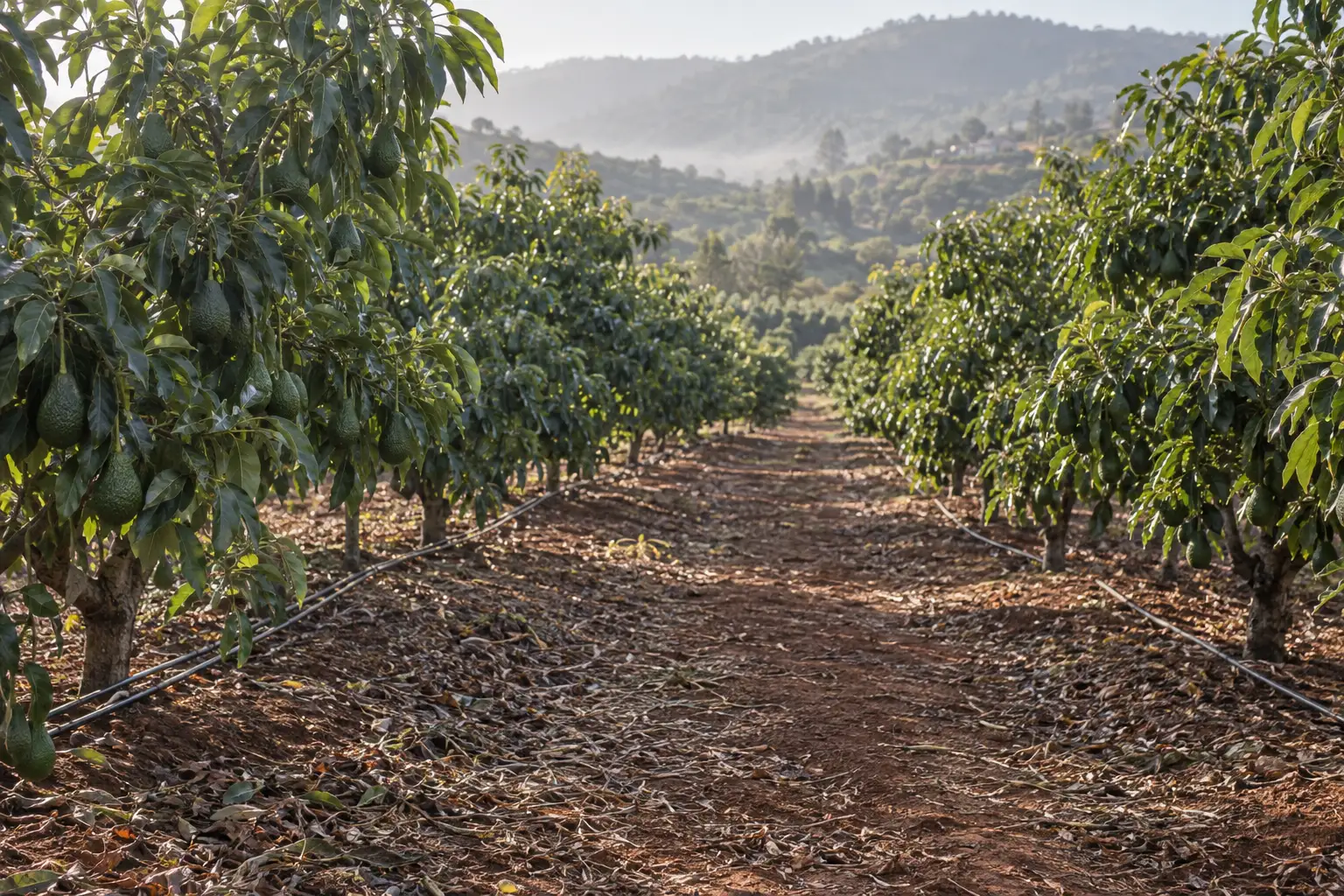
Avocado roots sit in the top 15 to 20 cm of soil, die within hours when that layer is waterlogged, and lose yield from irrigation water above about 0.6 dS/m. The sensors that manage that are a shallow and a deep soil tension sensor per irrigation block, read daily, plus EC on the irrigation water.
At a glance
- Feeder roots
- Mostly in the top 15 cm of soil, with very few root hairs
- Sensor depths
- Shallow at 20 cm (30 cm on loamy flats), deep at 45 to 90 cm
- Irrigation trigger
- About 20 to 25 cb on sandy loam, 40 to 50 cb on loam and clay
- Water salinity
- Yield falls above 0.57 dS/m in the irrigation water, rain included
Avocado is the orchard crop that punishes a wrong irrigation decision fastest, in both directions. The roots are shallow and have almost no root hairs, so the tree cannot reach down for water when the top layer dries. The same roots need a soil that is close to half air, so a few hours of waterlogging shut down nutrient uptake and open the door to Phytophthora. And the tree is among the most salt-sensitive crops grown commercially, with a yield threshold for irrigation water below 0.6 dS/m. Three constraints, three measurements: soil tension at two depths, and the conductivity of the water going in.
What an avocado tree needs from the soil
Feeder roots are concentrated in the top 15 cm of soil, and the California grower guidance checks soil moisture by hand at 20 to 40 cm because that is where the roots that matter for irrigation decisions are. There is no deep reserve to fall back on. A tree that reads fine on a 60 cm probe can be short of water where the roots actually are.
Those roots also have an unusual oxygen requirement. Work at INIA La Cruz in Chile puts good tree development at around 30 percent air in the soil and the onset of root asphyxia symptoms below 20 percent. Soil at field capacity holds roughly half water and half air in its pore space; a waterlogged soil holds almost no air. Overwatering is therefore not a mild waste of water for avocado. It kills roots, and the UC Riverside irrigation guidance notes that waterlogging also moves chloride rapidly from the roots to the leaves, producing the tip burn that growers often mistake for drought.
Finally, salinity. Avocado is one of the most sensitive plants to both total salinity and chloride. The multi-year trial by Oster, Stottlemyer and Arpaia at UC Riverside on Hass found yield declining once the salinity of the applied water, rainfall included, passed 0.57 dS/m, with yield falling about 65 percent per unit of salinity above that threshold. The same trial measured that trees stopped extracting water once soil water salinity reached about 4 dS/m, however wet the soil was. The Israeli Ministry of Agriculture planting guide makes the same point from the other end: it asks for a soil survey with one pit per 5 to 10 dunams before planting, testing texture, lime, pH, sodium adsorption ratio and soil salinity, and it describes avocado as a crop for drained, aerated soil that is very sensitive to standing water.
What to measure and where
Soil tension at two depths
Tension, read in centibars (cb) or kilopascals (1 cb equals 1 kPa), is the right unit for avocado because the irrigation triggers in the literature are written in it and because tension is not distorted by soil salinity the way some volumetric sensors are. Two instruments measure it in the field: the tensiometer (a water-filled tube with a ceramic tip and a gauge or transducer) and the granular matrix sensor, which the Watermark 200SS is.
Place one station per irrigation block at minimum, next to a tree that is typical of the block, as the Crowley guidance requires. Inside the wetted zone, 60 to 90 cm from the sprinkler or about 1 to 2 m from the trunk under the canopy, in the middle of the emitter’s throw. Two sensors per station:
| Sensor | Shallow hillside soils | Loamy flat ground | What it tells you |
|---|---|---|---|
| Shallow | about 20 cm | about 30 cm | When to start irrigating |
| Deep | 45 to 60 cm | up to 90 cm | Whether water reached the bottom of the root zone, and how long the set needs to run |
The deep reading should always be wetter than the shallow one. When the deep sensor fails to respond to an irrigation, the set was too short. When it sits near zero for days, water is pooling below the roots and the block is being overwatered.
Triggers by soil texture
The California guidance gives these starting points for avocado:
| Soil | Irrigate at | Notes |
|---|---|---|
| Sandy loam | about 20 to 25 cb | Drains fast, holds little, irrigate often and briefly |
| Loam (flat ground) | 40 to 45 cb | The common valley-floor case |
| Clay | up to 50 cb | Holds 40 percent water after irrigation but only about a quarter of that is available to the tree |
Field capacity after drainage reads around 12 to 18 cb; readings near zero mean saturation. A standard tensiometer loses its water column near 80 cb and has to be refilled, which is why a reading that climbs to 80 and stops is not a stable soil, it is a dead instrument. Set an alert well below it.
Irrigation water EC
The 0.57 dS/m threshold is a property of the water source, and water sources change: a well that drifts over a dry summer, a switch to treated effluent, a reservoir that concentrates by evaporation. A conductivity probe mounted inline on the irrigation main, logged continuously, catches the change the week it happens. The Crowley guidance recommends a leaching fraction of about 10 percent to prevent salt accumulation under saline water, and warns that leaching is also the moment growers most often overwater. The deep tension sensor and the EC reading together tell you whether a leaching irrigation did its job without drowning the roots.
Soil temperature
A soil temperature sensor at 20 cm adds one reading and explains others that otherwise look wrong: root activity and water uptake slow in cold soil, so a tension reading that stalls in winter is not a sensor fault. It also helps time the first spring irrigation in Mediterranean climates.
Agrinovo hardware for an avocado block
The sensors above are modules on one controller, chosen per block:
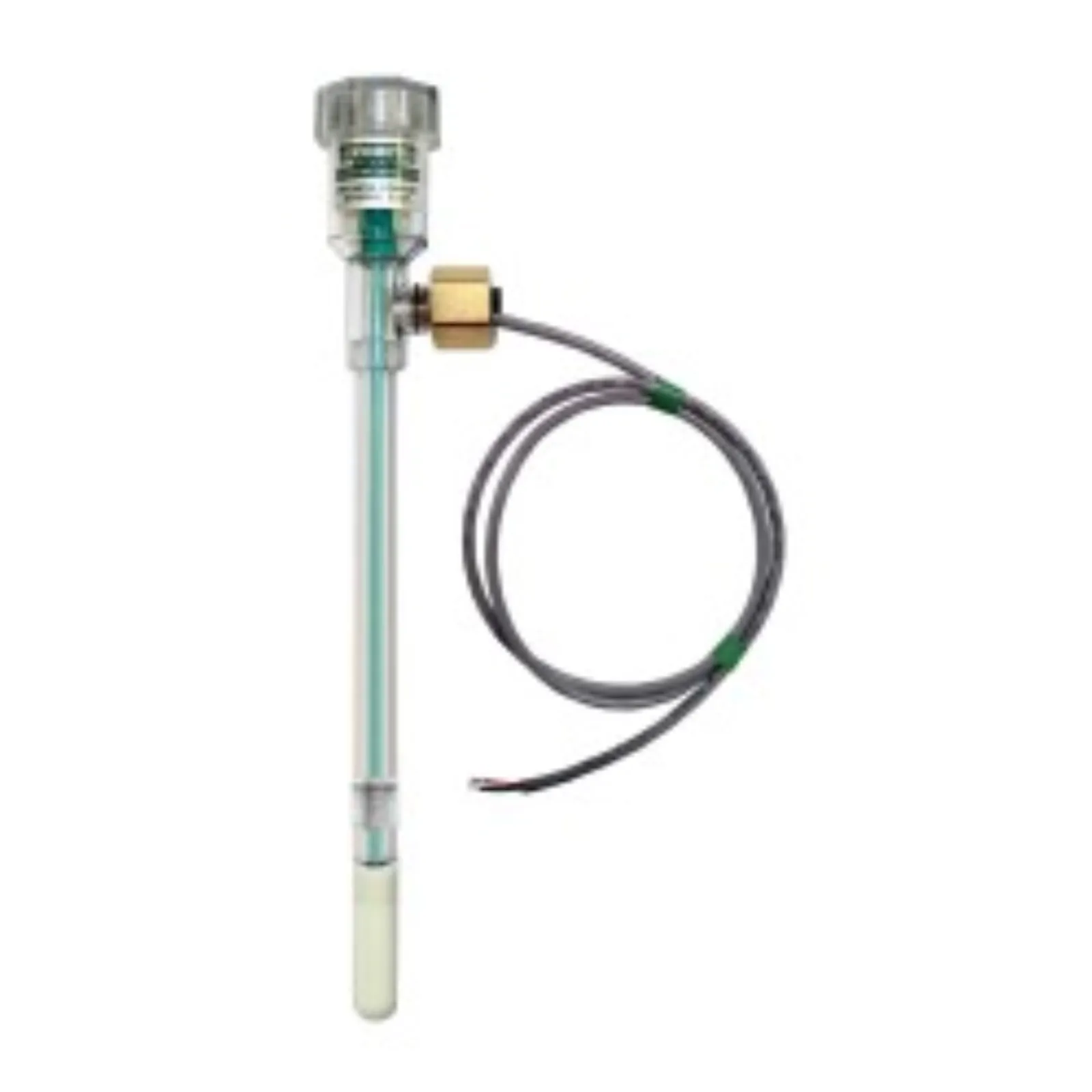
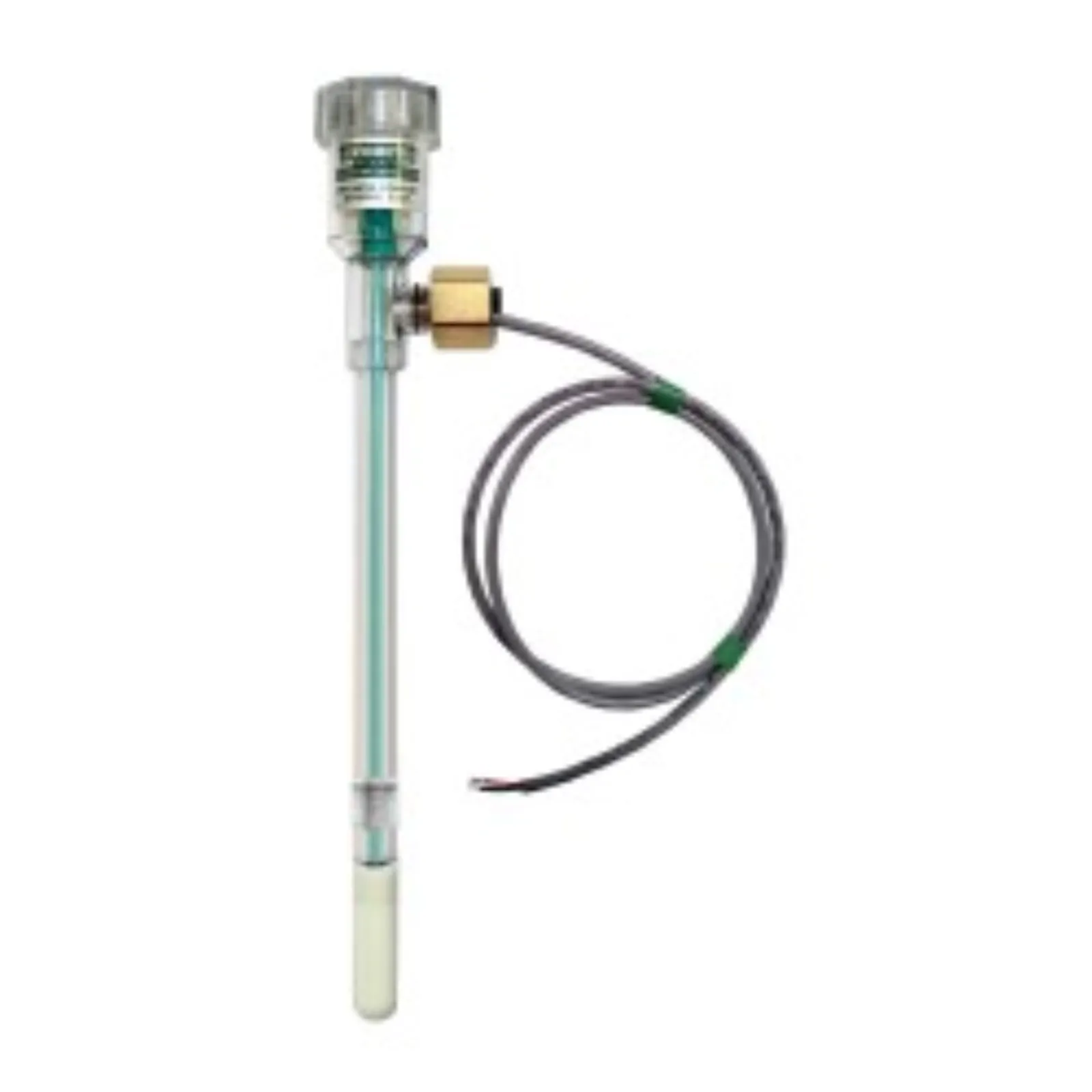
- Irrometer SR tensiometer (0 to 100 cb) for loam and clay soils where the trigger is 40 to 50 cb, in the 30 and 60 cm lengths that match the shallow and deep positions. Fitted with the manufacturer’s voltage transducer, it reads into the controller as an analog input.
- Irrometer LT tensiometer (0 to 40 cb) for sandy loam, where a 20 to 25 cb trigger sits in the middle of its range rather than at the bottom of the SR’s.
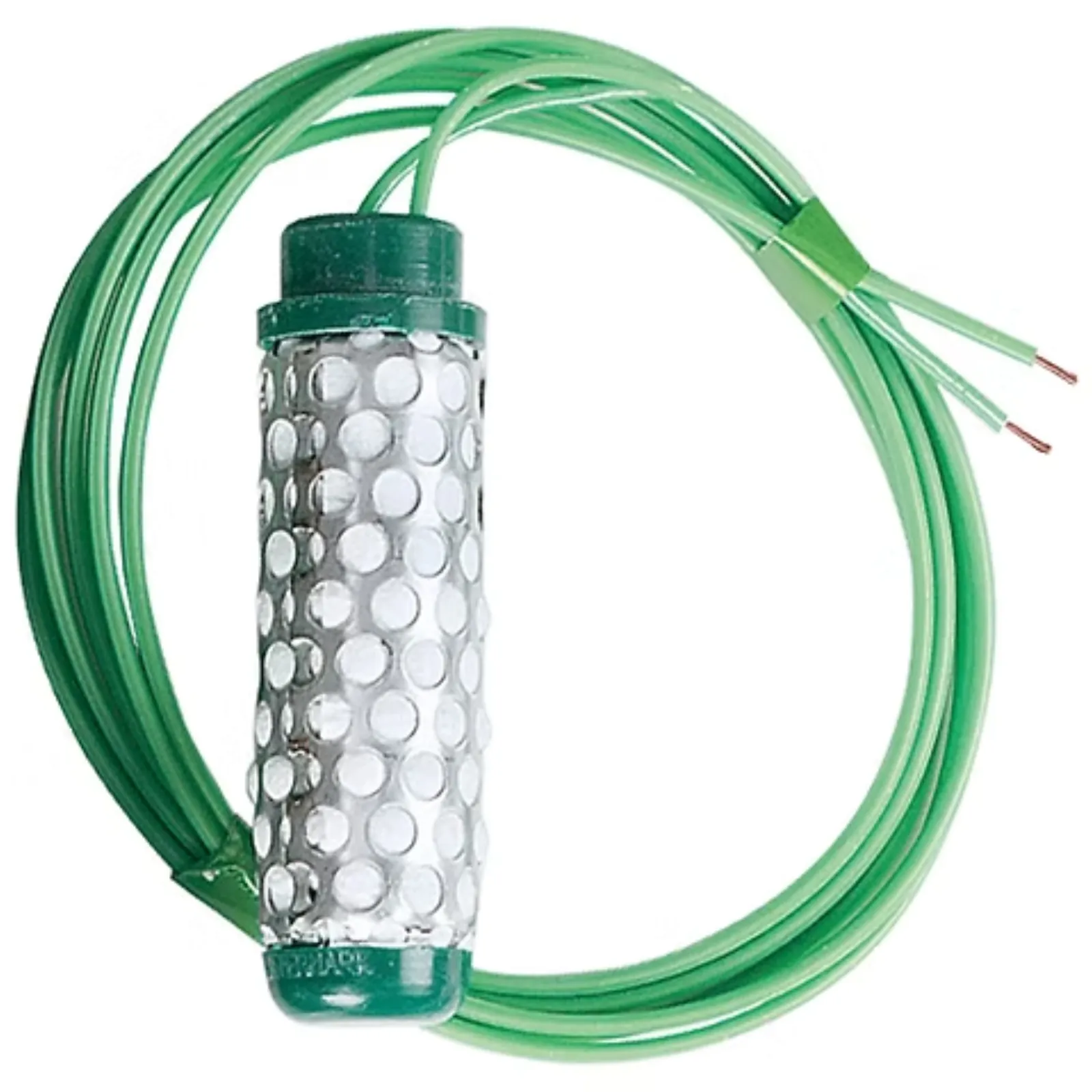
- Watermark 200SS where you want a buried, maintenance-free sensor that reads to 200 cb and does not need refilling. It is the right choice for stations that are hard to visit, and for the deep position.
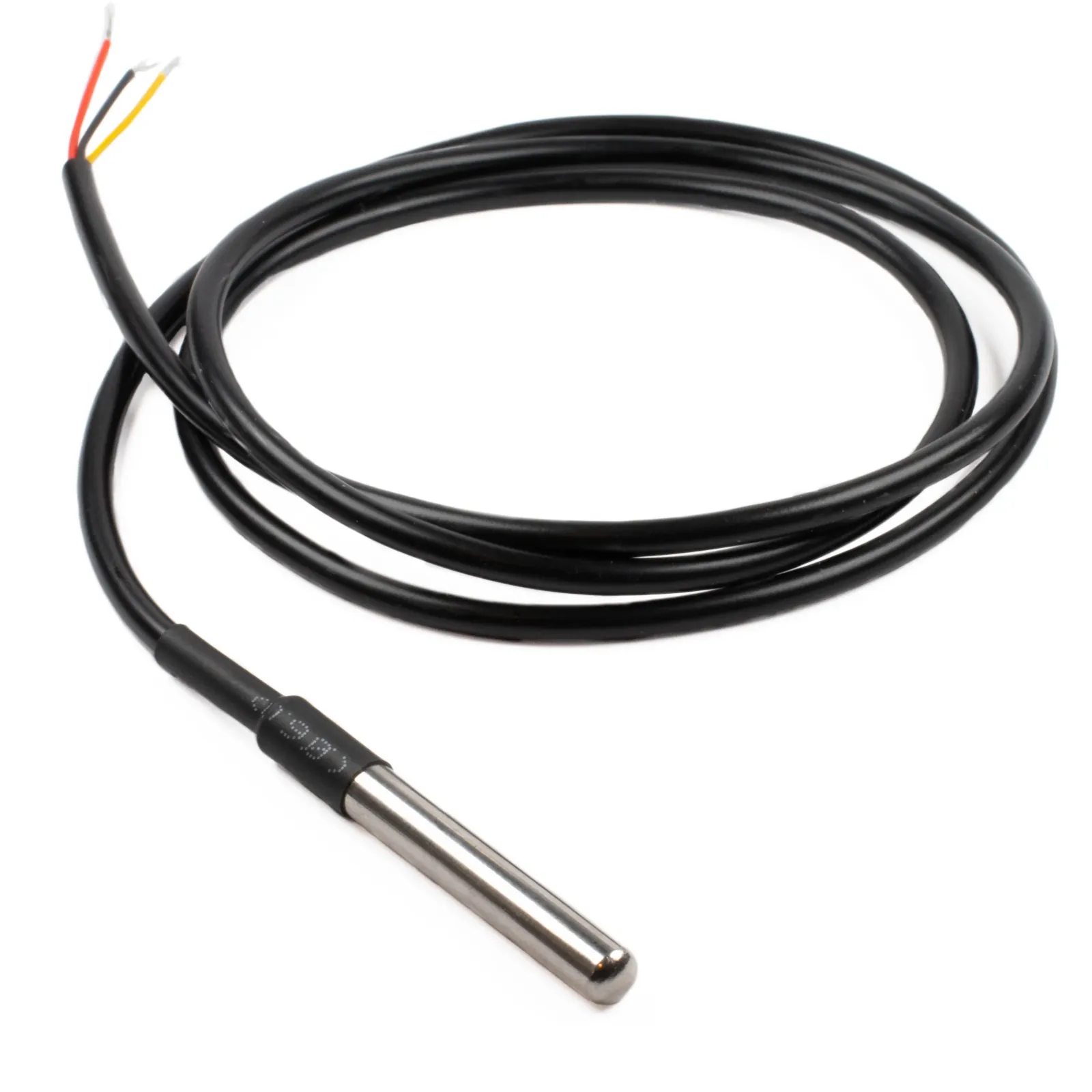
- DS18B20 soil temperature sensor alongside the shallow station.
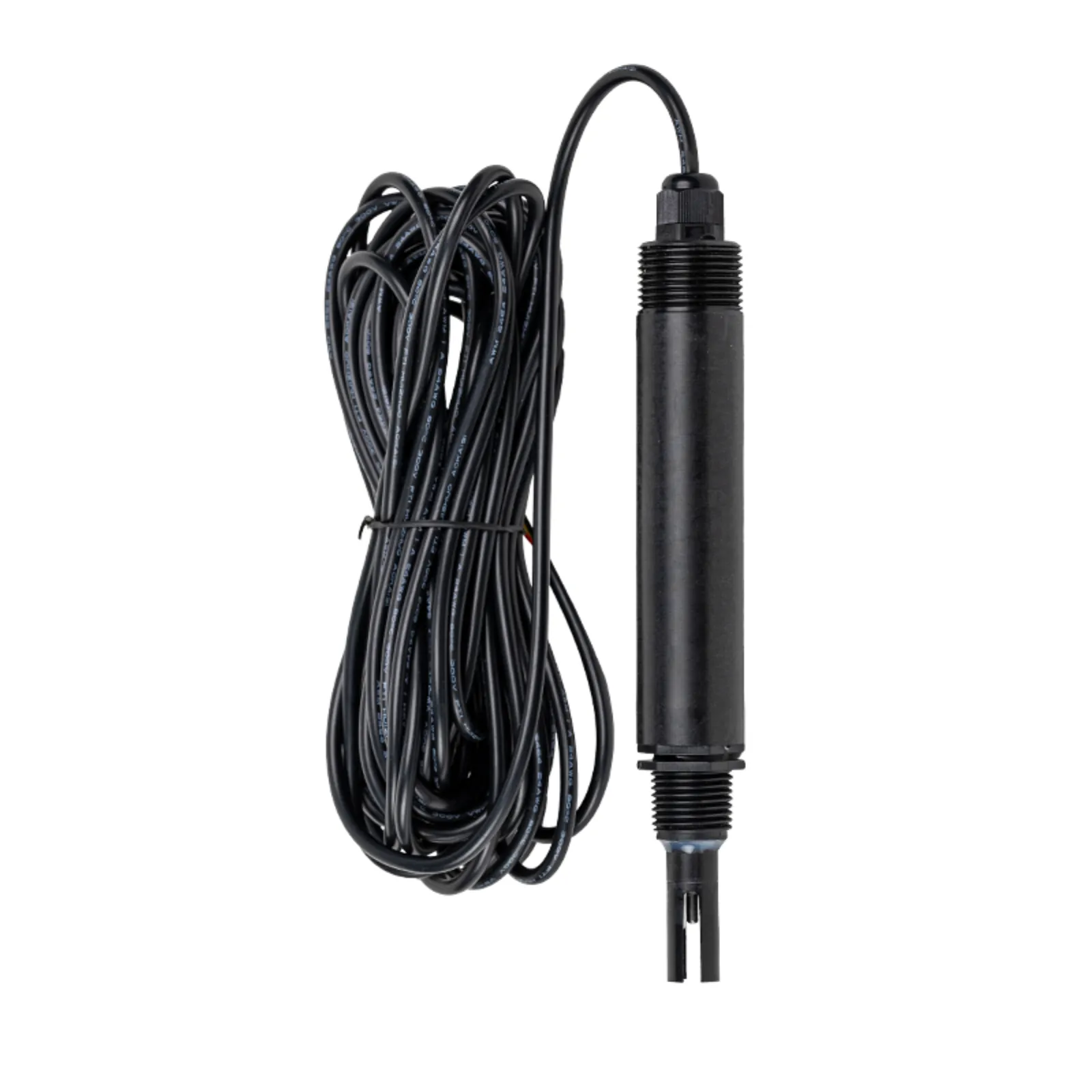
- EC-100 conductivity probe on the irrigation main, RS485 Modbus, for continuous salinity of the applied water.
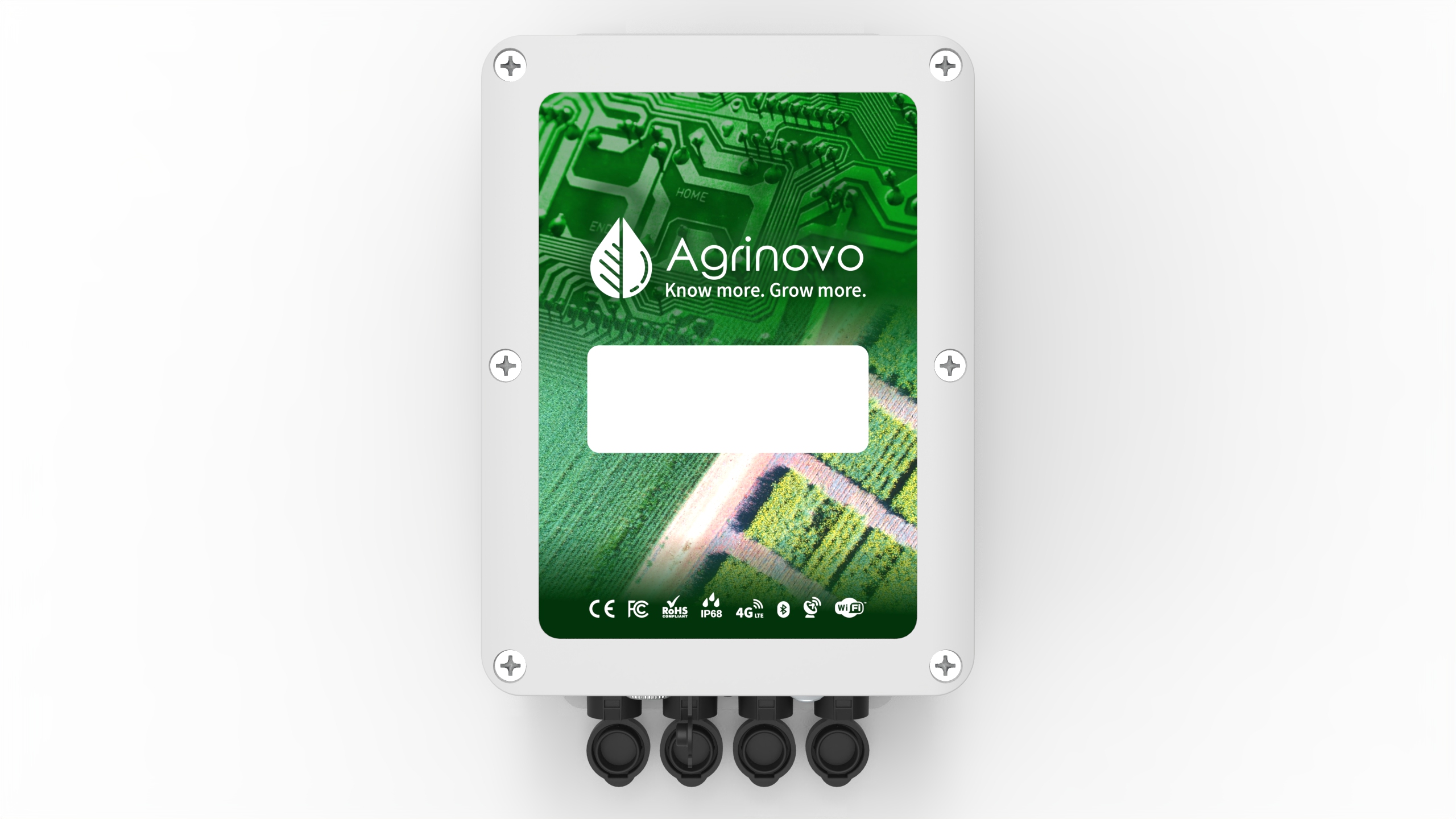
- Omni Genesis controller, cellular by default, powering the sensors, reading analog and RS485 inputs on the same unit, and pushing readings to the dashboard with alert rules per block.
The result is one chart per block with shallow tension, deep tension, soil temperature and inlet EC on the same time axis. The decision the grower makes from it is the one the California guidance describes: start when the shallow sensor hits the trigger for that soil, stop when the deep sensor responds, and watch the EC line for the day the water changes.
How the readings are used through the season
Daily tension readings taken at the same hour give a drying curve per block. Its slope is the tree’s water use; a flattening slope in summer means roots are not taking up water, which points to waterlogging or salinity before leaves show anything. After each irrigation, the time it takes the deep sensor to respond calibrates the set length for that block, which is how a grower moves from an evapotranspiration estimate to a measured schedule. UC IPM asks for an irrigation system check by late winter and a water test each spring; the inline EC reading replaces the once-a-year sample with a continuous one.
Two things the sensors do not replace. The first is the soil survey before planting, which decides whether the block should be ridged for drainage, a point both the Chilean and the Israeli guidance insist on. The second is the hand check: a trowel at 20 cm, once a week, keeps the instruments honest.
Agrinovo hardware for this application
Every item links to its product page with the datasheet. Specifications on those pages come from the manufacturer documents, not from this article.
Deployments like this
Soil & Irrigation
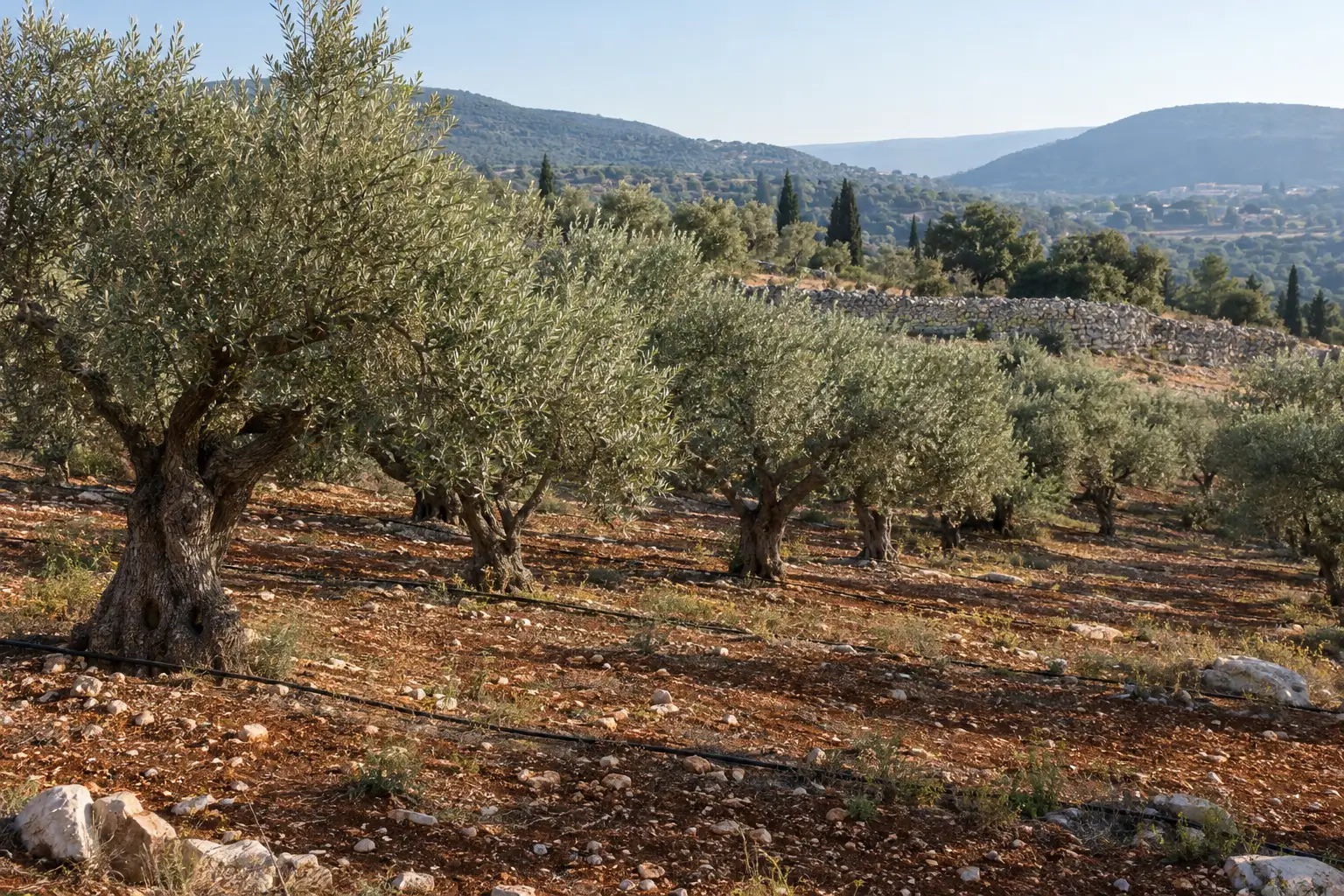
Olive grove tensiometer network
A 35-dunam (3.5 hectare) olive grove in the Upper Galilee switches from calendar irrigation to tensiometer-driven scheduling and cuts water use without losing yield.
19% less water over the 2025 season
Soil & Irrigation
Medjool date orchard
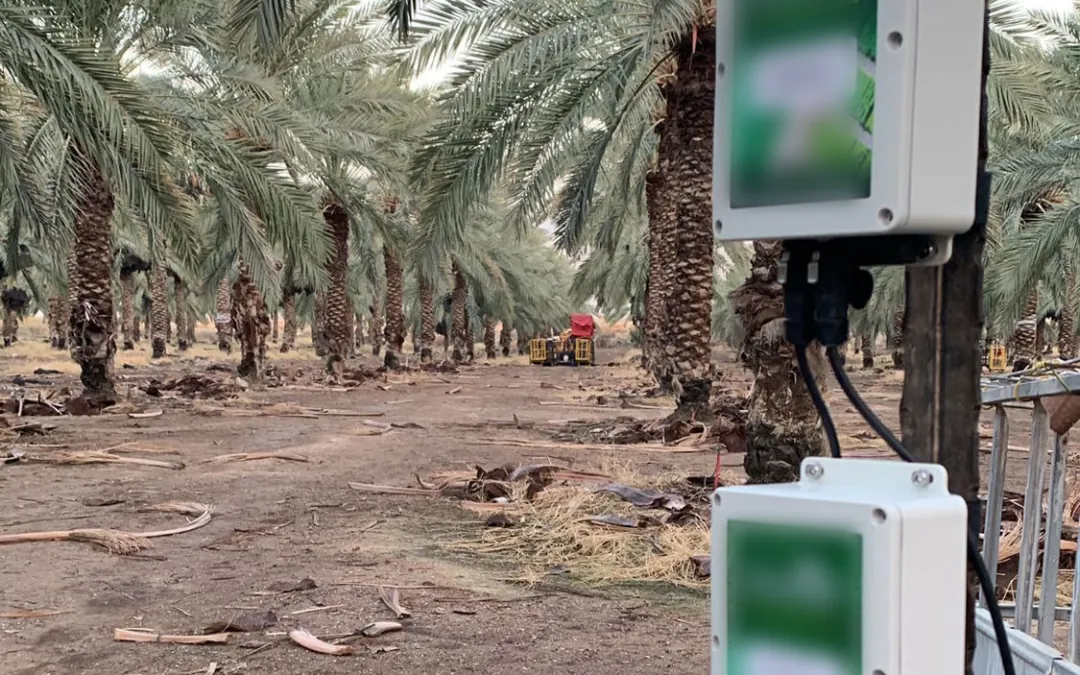
A Medjool date orchard puts soil water tension under measurement. On a mature palm the roots are far below anything you can see, and the irrigation volumes are large enough that small errors are not small.
2 stations on one post
Frequently asked questions
How deep should soil moisture sensors go in an avocado orchard?
At what tensiometer reading should I irrigate avocados?
Why is overwatering worse than underwatering for avocado?
How salty can avocado irrigation water be?
Can one Agrinovo controller read tensiometers, Watermark sensors and an EC probe at once?
Sources
The agronomy on this page comes from the publications below. Where a number is not on this list, we left it out.
- Optimizing Irrigation Management Through Soil Water Monitoring (From the Grove, Fall 2014), David Crowley, University of California, Riverside, for the California Avocado Commission
- Checking Soil Moisture in Avocado Groves, California Avocado Commission
- Salinity and water effects on 'Hass' avocado yields (J. Amer. Soc. Hort. Sci., 2007), J.D. Oster, D.E. Stottlemyer and M.L. Arpaia, University of California, Riverside
- Monitor and Manage Irrigation, UC IPM Pest Management Guidelines: Avocado, University of California Agriculture and Natural Resources
- Cómo evitar la asfixia radicular en los huertos de palto (2017), Raúl Ferreyra, INIA La Cruz, Chile
- Planning and preparation for planting an avocado orchard (Hebrew, November 2025), Extension Service, Israel Ministry of Agriculture
Tell us about your plot
Soil type, crop, irrigation method and what you want to see from your phone. We reply with a sensor list and a layout, not a brochure.