Soil & Irrigation
Medjool dates, where the root zone is metres down and the surface tells you nothing
A Medjool date orchard puts soil water tension under measurement. On a mature palm the roots are far below anything you can see, and the irrigation volumes are large enough that small errors are not small.
Results on site
- 2
- stations on one post
- Deep
- root zone measured
- kPa
- the reported unit
Two reading positions rather than a single point standing for the block
Where a mature palm actually draws from, not the surface
Transferable between blocks and soils without recalibration
- The challenge
- A mature date palm draws water from well below the surface, so nothing visible at ground level describes the root zone. The orchard applies large volumes in a desert climate, where a small proportional error is a large absolute one.
- What we installed
- Tensiometers in the root zone reporting soil water tension, on Omni Genesis controllers mounted at the orchard.
- The result
- Irrigation is judged against what the deep profile is doing rather than against evaporation estimates and the appearance of the surface.
The situation
A mature Medjool orchard is a hard place to guess about water.
The trees are large, permanent and deep-rooted, and they draw from a profile that extends well below anything a person can inspect. The surface, in a desert climate, dries within hours of an irrigation and stays dry. Looking at the ground under a date palm tells you about evaporation. It tells you almost nothing about what the tree can reach.
The volumes involved make that gap expensive. A mature orchard applies a great deal of water, so an error that sounds modest as a percentage is substantial in absolute terms, in a region where water is both costly and limited. And because this is a permanent crop, a mistake does not reset at the end of the season. It is carried into the next one by the same trees.
What was installed
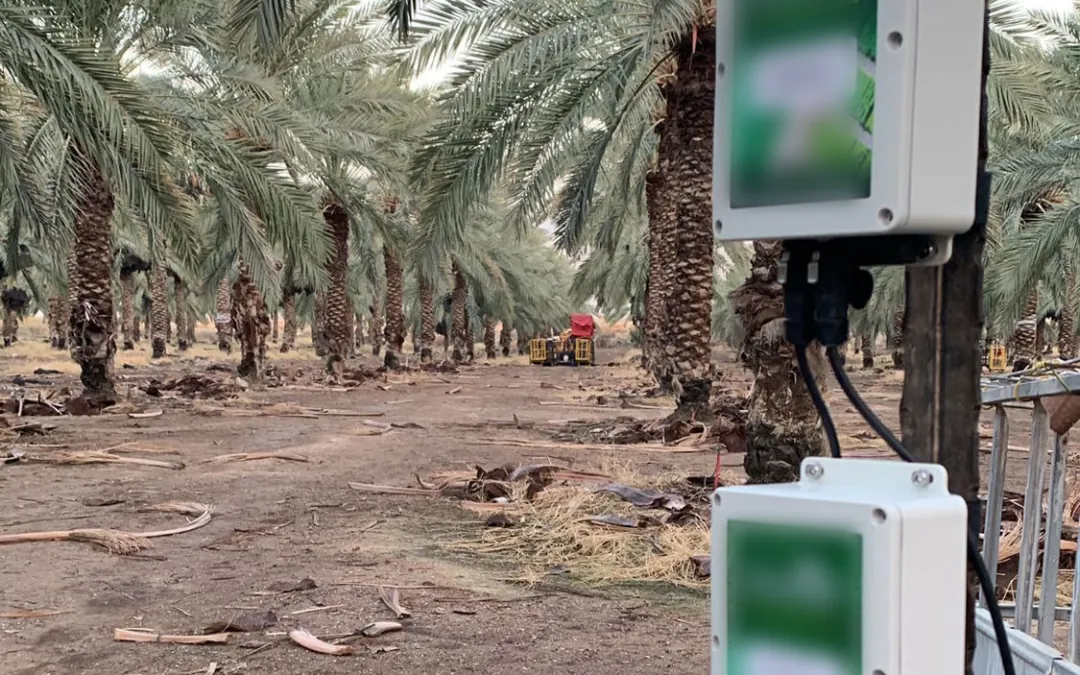
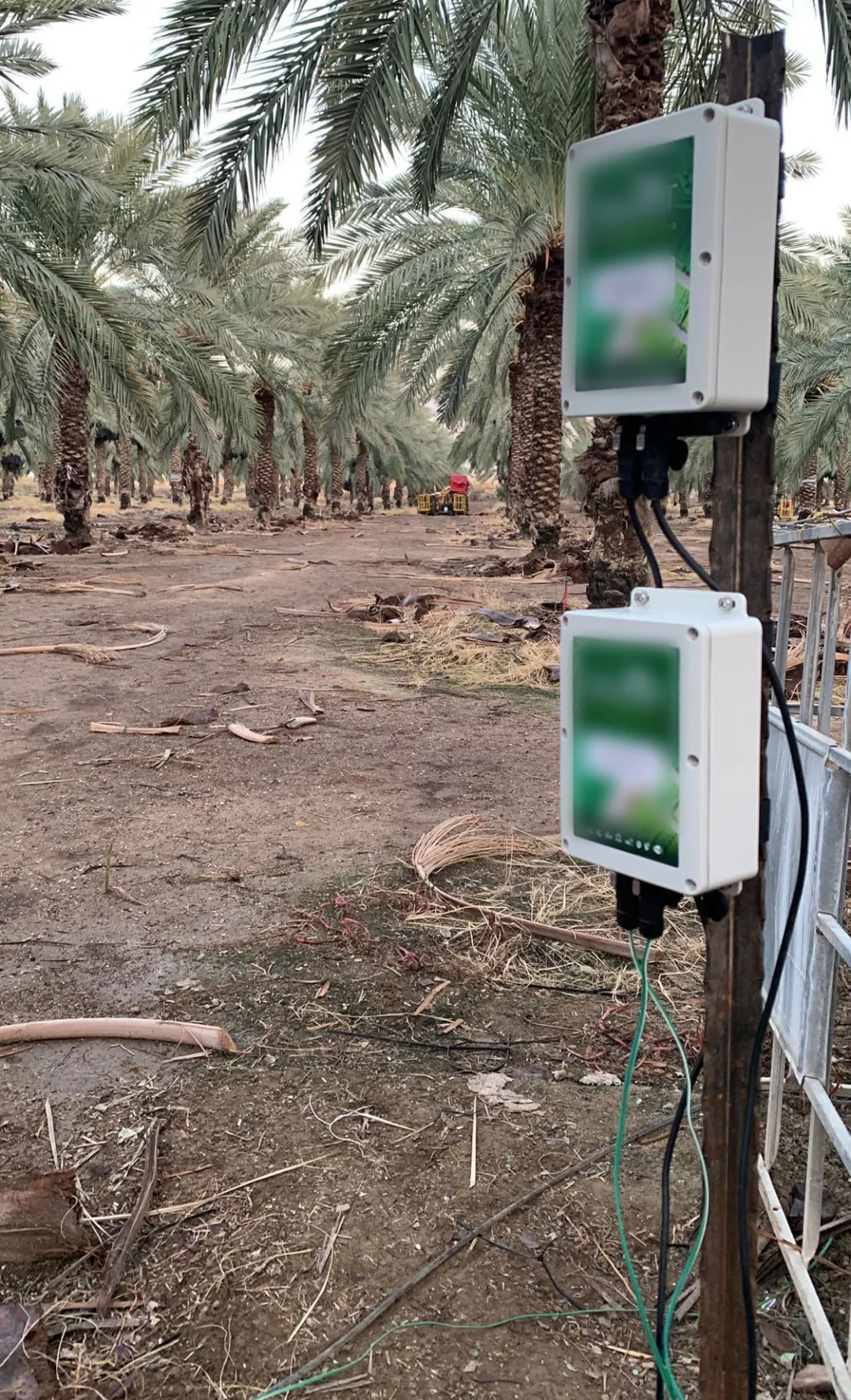
Tensiometers reading soil water tension in the root zone, on Omni Genesis controllers mounted on a post at the edge of the row, clear of the machinery that works the orchard floor.
Depth is the decision that matters here. Irrometer tensiometers come in lengths up to 120 cm precisely because different crops root at different depths, and a date palm is at the far end of that range. The model is a separate choice that follows the soil: the SR for medium to heavy soils and the LT for sandy ones. An instrument placed at a convenient depth rather than the right one produces readings that are precise and misleading, which is worse than no reading at all, because people act on them.
Two stations, not one
There are two controllers on the post, and that is deliberate.
A single sensor in an orchard block is being asked to represent a lot of ground. Soil texture changes across a block, emitters do not all deliver identically, and one position cannot tell you whether a change it reports is happening across the orchard or only where it happens to be buried. When that reading does something unexpected, there is no way to know which of those it was.
Two reading positions convert the question into a comparison. If both move together, the cause is shared and the orchard is behaving as one. If one moves and the other does not, the difference is local and worth walking out to look at. That is a much stronger basis for a decision than a single number, and the second station costs one more box on the same post.
Why measure at all when there are models
Irrigation in orchards is often scheduled from evapotranspiration estimates, and that is a sound way to plan. A model takes the weather and the crop and tells you roughly what should have been used.
What it cannot do is verify. It does not know whether the water was delivered, whether a line was blocked, whether the soil accepted it at the rate it arrived, or whether it drained below the root zone without being available to the tree. The model describes the demand side. Tension describes what actually happened in the ground.
Neither replaces the other. The model becomes considerably more useful once something is checking it against the profile, which is the same relationship as a budget and a bank statement: the plan is worth having, and it is worth knowing whether reality matched it.
From the site
Hardware in this deployment
Every sensor below connects to the same controller. That is what makes a mixed site possible.
controllers
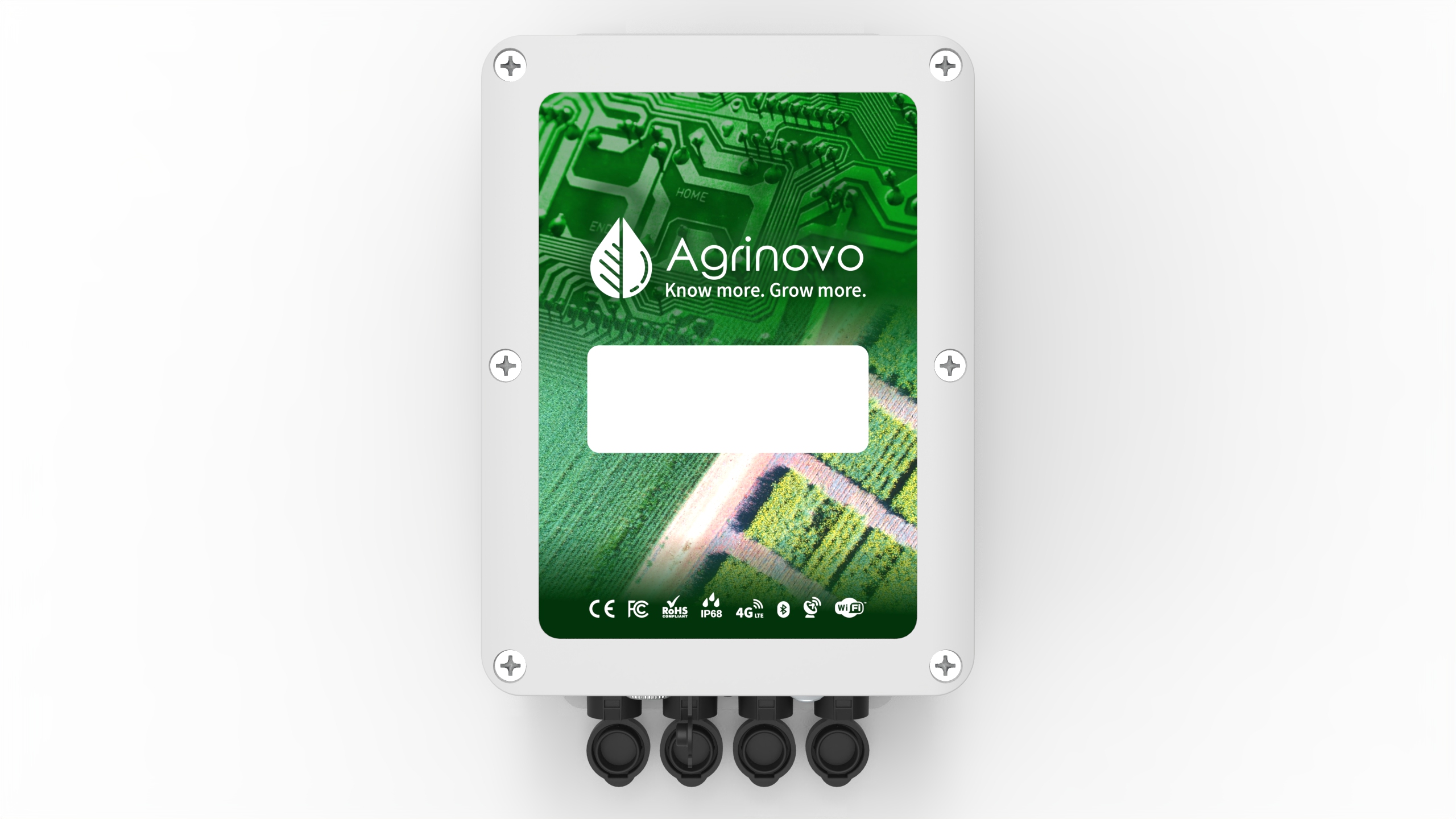
Omni Genesis IoT Controller - 4-Port, Solar, IP65
Soil water tension
Irrometer tensiometers
Questions about this deployment
Why does depth matter so much in a date orchard?
Why two stations instead of one?
Cannot evapotranspiration estimates do this job?
Why is water accounting so consequential in a desert orchard?
Why tension rather than volumetric moisture?
More deployments like this
Soil & Irrigation
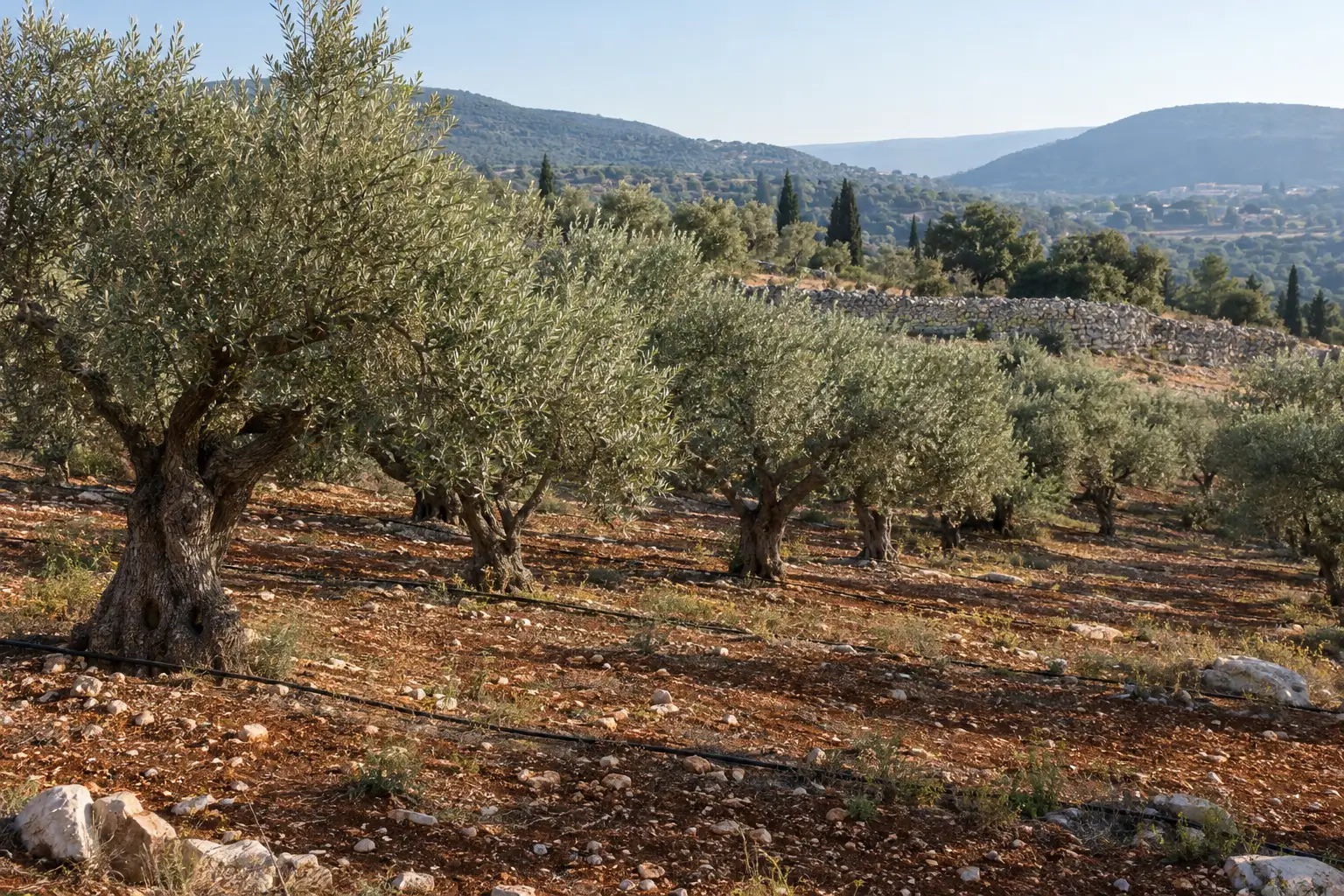
Olive grove tensiometer network
A 35-dunam (3.5 hectare) olive grove in the Upper Galilee switches from calendar irrigation to tensiometer-driven scheduling and cuts water use without losing yield.
19% less water over the 2025 season
Soil & Irrigation
Cranberry frost monitoring
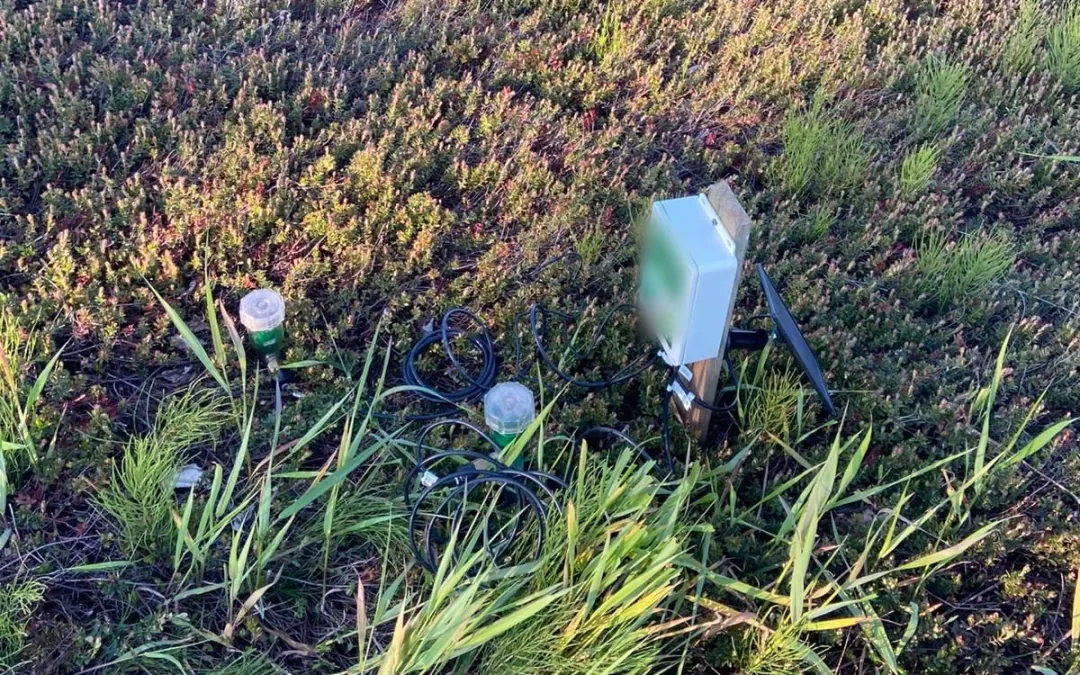
A cranberry grower in Canada puts air temperature, humidity and soil water tension on one solar-powered Omni Genesis station sitting in the bed, where the frost decision is actually made.
±0.3 °C temperature accuracy
Soil & Irrigation
Vineyard soil tension
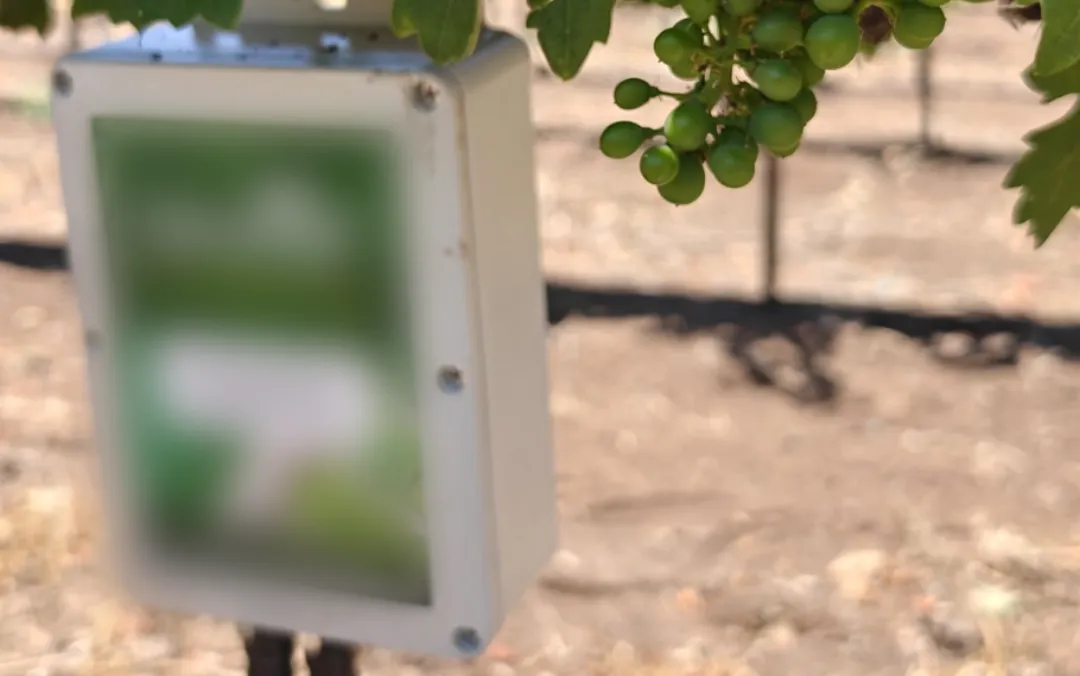
A wine grape vineyard reads soil water tension on Watermark 200SS sensors at two depths per station, because a wine vine is irrigated to a target stress rather than to a full profile.
0-200 kPa tension range
Planning something similar?
Tell us what needs monitoring and we will scope a right-sized system with you.