Soil & Irrigation
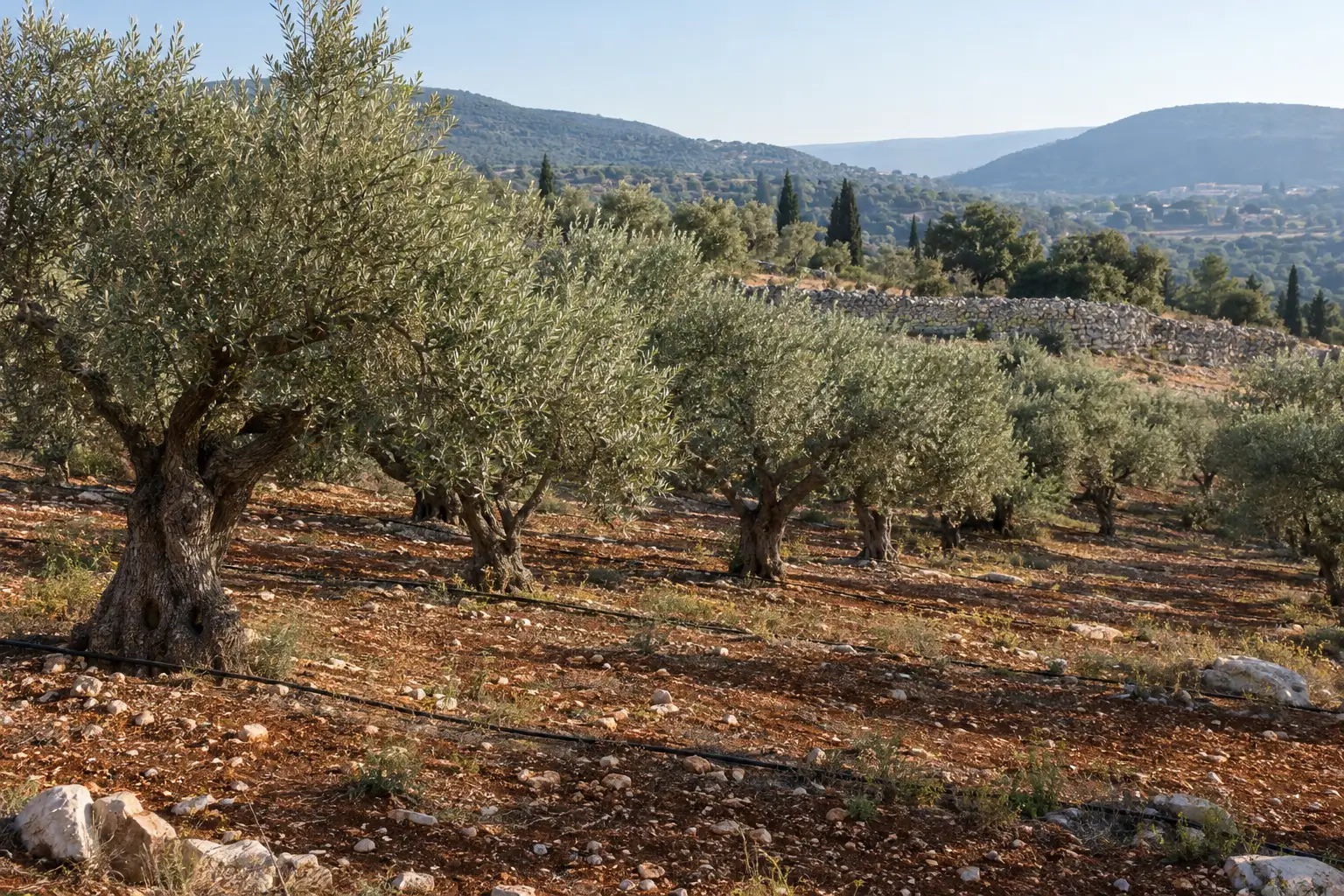
Tensiometer irrigation in a Galilee olive farm
A 35-dunam (3.5 hectare) olive grove in the Upper Galilee switches from calendar irrigation to tensiometer-driven scheduling and cuts water use without losing yield.
Results on site
- 19%
- less water over the 2025 season
- 0
- measurable yield loss on Souri
- 1 day
- to catch a clogged dripline
Same blocks, measured against the previous year
Barnea showed a slight increase
Previously about a week
- The challenge
- A fixed weekly summer schedule ran the same runtime across the whole grove. Yield swung between blocks and water bills kept climbing.
- What we installed
- Paired SR tensiometers at 30 cm and 60 cm in six locations, each block on a pole-mounted Genesis Lite with solar and LTE.
- The result
- A deliberate deficit irrigation program the agronomist can audit, and a clogged dripline caught in a day instead of a week.
The situation
A 35-dunam (3.5 hectare) olive grove in the Upper Galilee grows Souri and Barnea varieties on shallow terra rossa over limestone. The grower had been irrigating on a fixed weekly schedule during the summer, using the same runtime across the whole grove. Yield was inconsistent between blocks and water bills were climbing. The agronomist wanted a way to run a deliberate deficit irrigation program (specifically, to push the trees into controlled stress during pit hardening) without guessing.
The setup
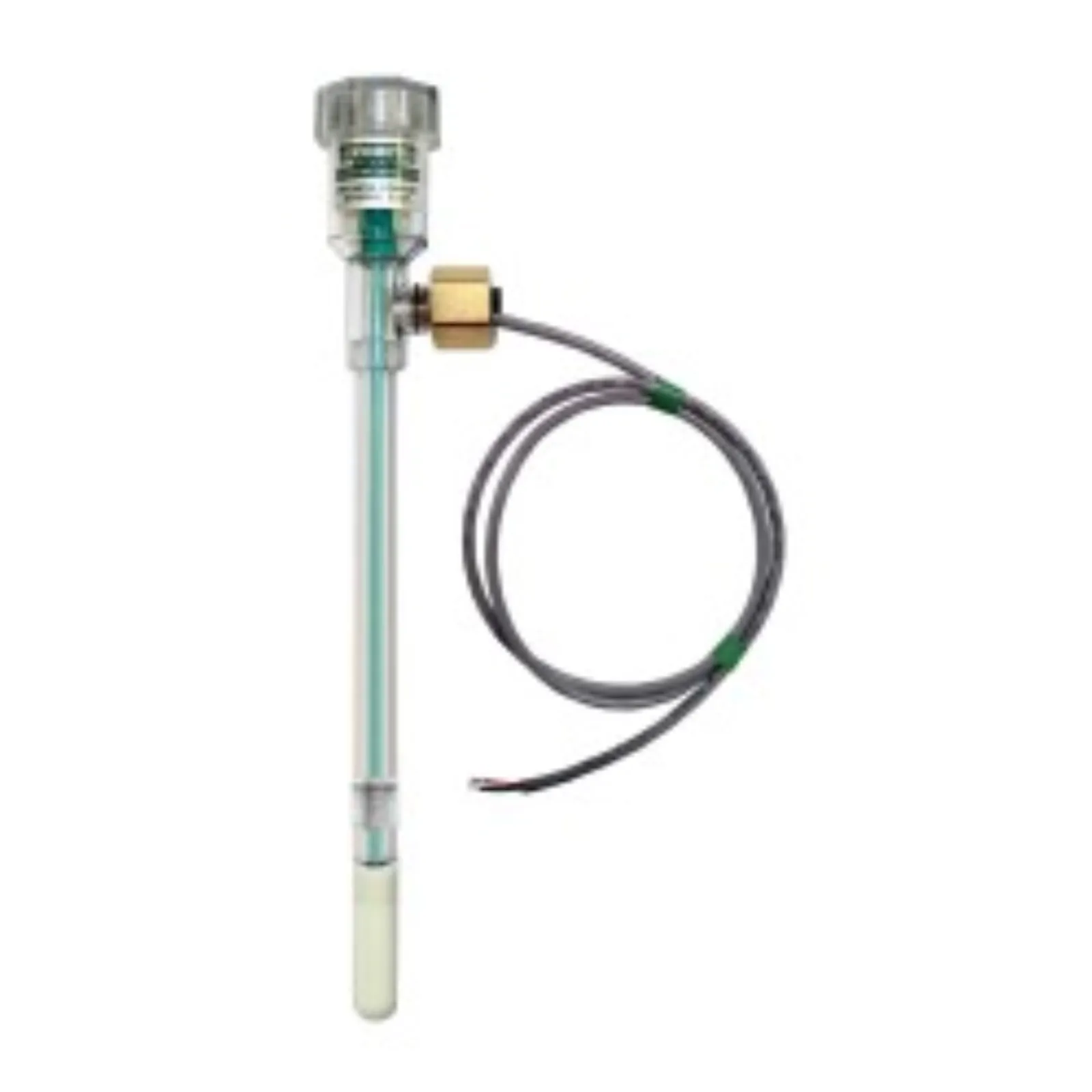
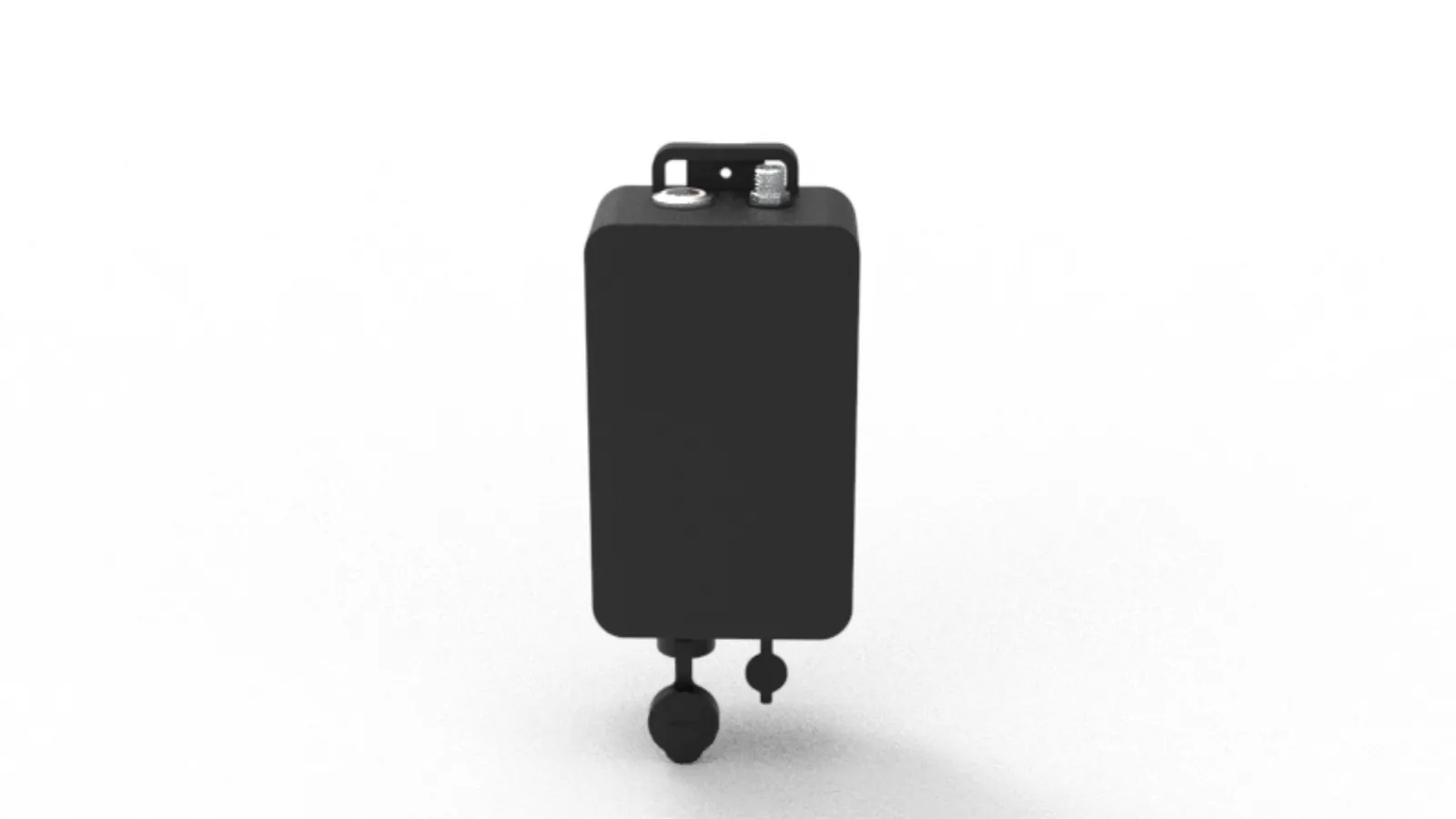
We installed paired SR tensiometers at 30 cm and 60 cm depths in six representative locations across three irrigation blocks. Each block has a pole-mounted Omni Genesis Lite controller with a solar panel and LTE uplink. Each tensiometer is fitted with an Irrometer voltage transducer (0.5 to 4.5 V output) and connects over a short analog run directly to the controller. No gateway, no mesh, no wired power. Data streams to OmniCloud every fifteen minutes during the irrigation season and hourly otherwise. The grower’s agronomist set thresholds for each block in centibars rather than percentages, which matched how she already thought about the soil.
What happened
Over the 2025 season the grove used 19 percent less water compared to the previous year on the same blocks, with no measurable yield difference on Souri and a slight yield increase on Barnea. The dashboard made the deficit strategy auditable: the agronomist could show the owner exactly when the soil entered the target stress window and when it exited. A clogged dripline in block 2 was caught within a day when the 30 cm tensiometer failed to recover after an irrigation cycle. Previously this kind of event took a week to notice.
Why it matters
Deficit irrigation on permanent crops in Mediterranean climates is a high-value, low-noise application for tensiometers. Centibar data is direct and interpretable. A pole-mounted cellular controller removes the usual friction of running IoT in a grove with no mains power and no Wi-Fi.
Planning something similar? Talk to us →
The hardware in this deployment: Irrometer SR tensiometers in 30 cm and 60 cm lengths, the standard range (0-100 cb) model for heavier soils, from the Agrinovo tensiometer range, each fitted with a 0.5 to 4.5 V transducer and connected to an Omni Genesis Lite controller.
Hardware in this deployment
Every sensor below connects to the same controller. That is what makes a mixed site possible.
More deployments like this
Soil & Irrigation
Cranberry frost monitoring
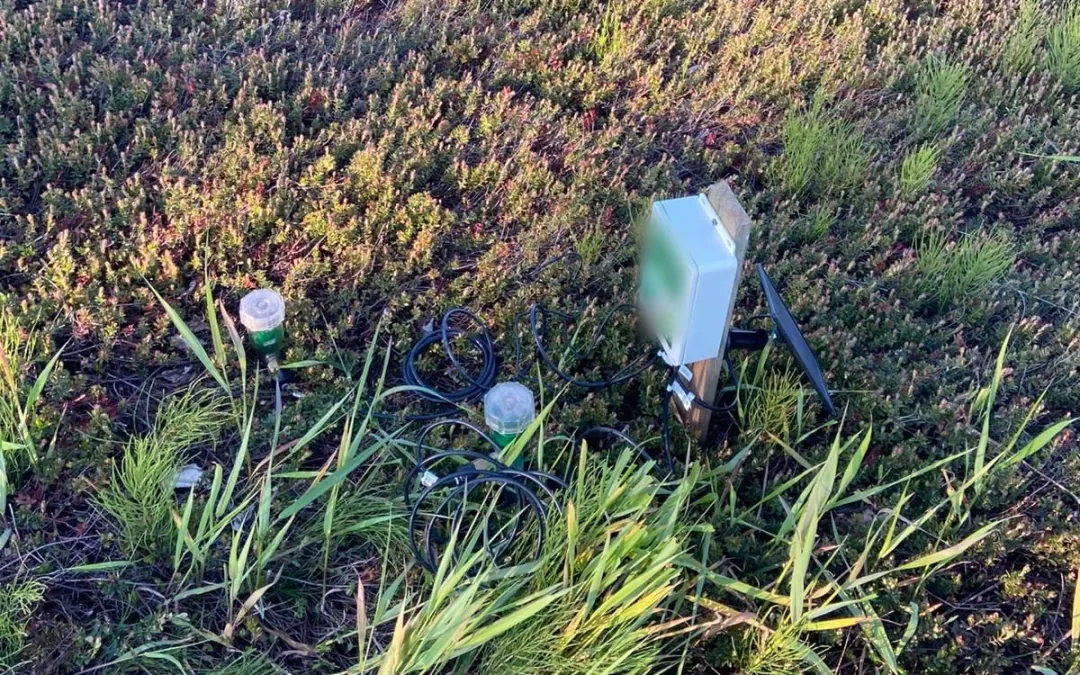
A cranberry grower in Canada puts air temperature, humidity and soil water tension on one solar-powered Omni Genesis station sitting in the bed, where the frost decision is actually made.
±0.3 °C temperature accuracy
Soil & Irrigation
Medjool date orchard
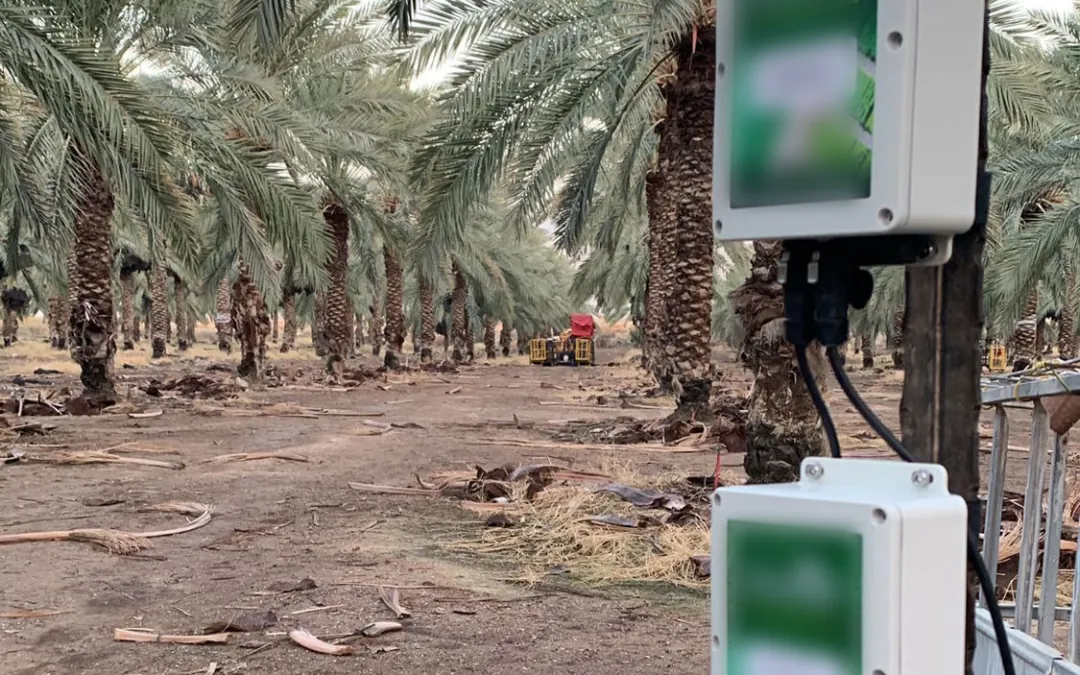
A Medjool date orchard puts soil water tension under measurement. On a mature palm the roots are far below anything you can see, and the irrigation volumes are large enough that small errors are not small.
2 stations on one post
Soil & Irrigation
Vineyard soil tension
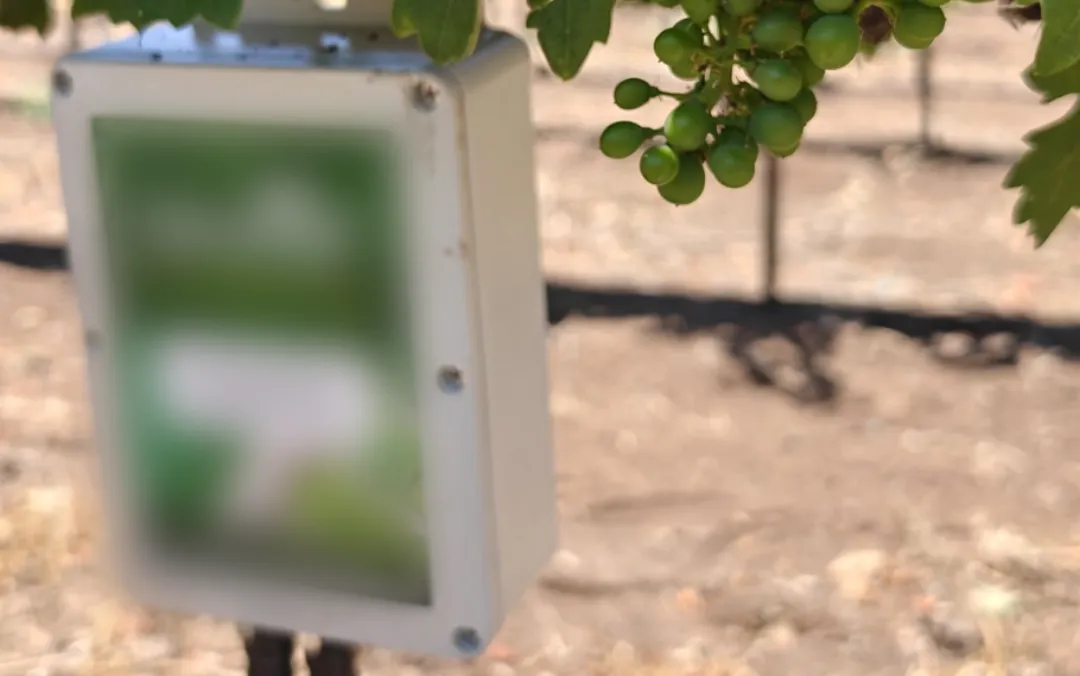
A wine grape vineyard reads soil water tension on Watermark 200SS sensors at two depths per station, because a wine vine is irrigated to a target stress rather than to a full profile.
0-200 kPa tension range
Planning something similar?
Tell us what needs monitoring and we will scope a right-sized system with you.