Soil & Irrigation
A Canadian cranberry farm watches frost and soil tension from one solar station in the bed
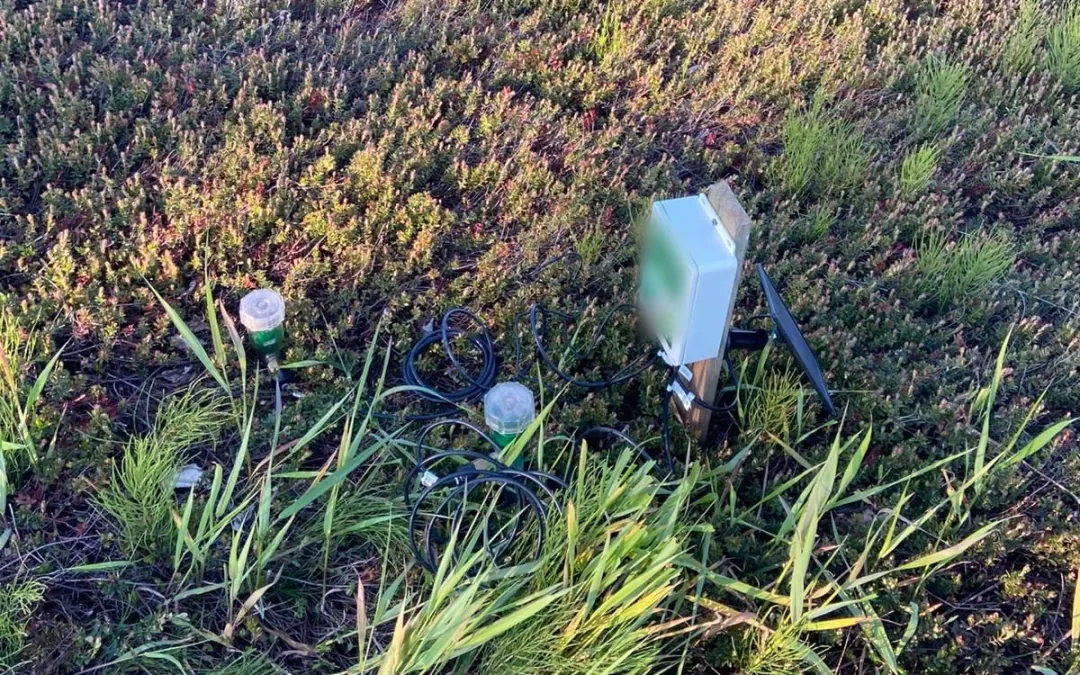
A cranberry grower in Canada puts air temperature, humidity and soil water tension on one solar-powered Omni Genesis station sitting in the bed, where the frost decision is actually made.
Results on site
- ±0.3 °C
- temperature accuracy
- -40 °C
- rated low end
- Solar
- powered station
The margin that matters when the decision threshold sits near freezing
The sensor is not the part that gives up in a Canadian winter
No mains run out across a working cranberry bed
- The challenge
- Cranberries are frost-sensitive at bloom and fruit set, and the temperature that matters is the one just above the vines in a specific bed, not the one at a weather station somewhere down the road.
- What we installed
- An Omni Genesis controller on a stake in the bed with an SHT30 measuring air temperature and humidity at canopy height, Irrometer tensiometers reading soil water tension below, and a small solar panel powering the lot.
- The result
- The grower reads the conditions that drive both the frost decision and the irrigation decision from the same station, measured in the bed rather than inferred from a regional forecast.
The situation
A cranberry bed is a dense, low mat of vines growing on sand, and it sits in the lowest ground available. That is deliberate, because the beds are flooded for harvest and again for winter protection. It also means the bed is exactly where cold air ends up on a still night, since cold air is dense and drains downhill like water.
Cranberries are most vulnerable to frost around bloom and fruit set, and the standard defence is water: run the sprinklers, and as that water freezes on the plant it releases latent heat and holds the tissue at a survivable temperature. It works, and it is expensive to run and expensive to skip. Protecting on a night that did not need it costs a night of pumping. Not protecting on a night that did can cost the crop.
So the decision comes down to a number, and the number that matters is the air temperature just above the vines, in a specific bed, tonight. A regional forecast cannot supply that. Neither can a weather station a few kilometres away, or in many cases the bed next door.
What was installed
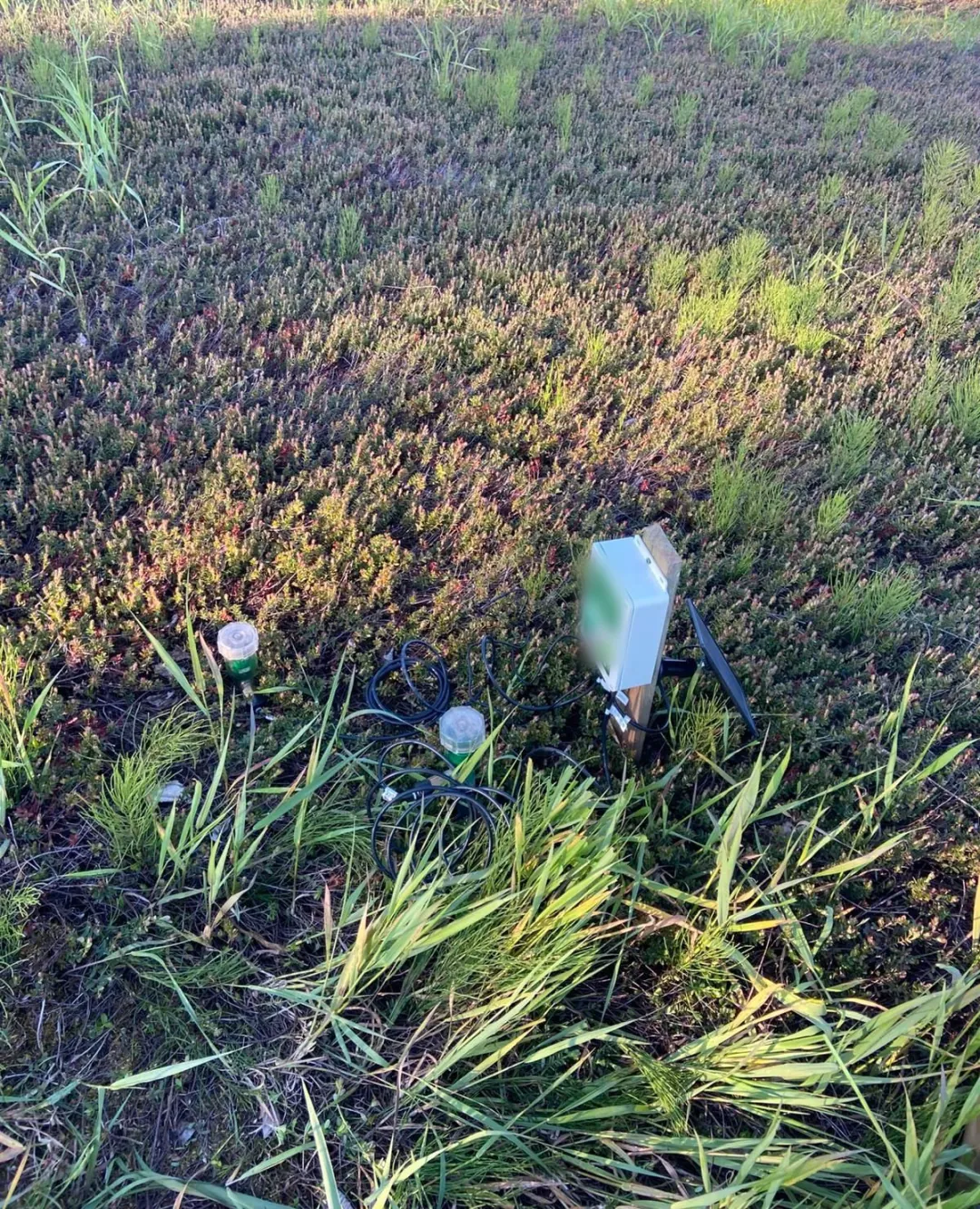
One Omni Genesis controller on a wooden stake set into the bed, with an SHT30 temperature and humidity sensor reading the air at canopy height and Irrometer tensiometers reading soil water tension below. A small solar panel on the same stake powers it, and reporting is cellular.
Everything about that arrangement is dictated by the bed. The station has to be short, because the crop is. It has to be staked, because there is nothing to mount it on. It has to be self-powered, because running mains out across a bed that gets flooded twice a year is not a serious proposition.
Two measurements, one trip
The temperature sensor is the reason the station exists, and accuracy is the reason the sensor choice matters. The whole decision lives within a couple of degrees of one threshold, so an instrument with a degree or two of error is not a minor imprecision, it is the difference between the right call and the wrong one. The SHT30 is rated to ±0.3 °C typical, which puts the measurement error comfortably inside the margin the grower is deciding on.
Humidity is on the same chip and answers the other half of the question. Temperature tells you where you are; the moisture in the air tells you where the night is going. A dry night with a low dew point keeps falling steeply. A humid one slows down sharply once the air nears saturation and condensation starts releasing heat. Two nights that look identical at nine in the evening can finish several degrees apart, which is why a frost decision made on temperature alone is being made on half the information.
Soil water tension is the third reading, and it is there because the station is already there. Cranberries are shallow-rooted on sand, so the profile holds little water and its status moves quickly, which makes tension worth following through the season in its own right. Adding it to an existing station costs a sensor and a cable instead of a second installation. That is the practical case for a controller that accepts any sensor rather than one built around a single measurement.
Why it matters
This is the same hardware that sits in vineyards and fish farms, staked into a bog in Canada and asked to do something quite different with it. Nothing about the controller is specific to the crop or the climate; the sensors define what the station is for, and here they make it a frost instrument that also happens to be an irrigation instrument.
It is also a reminder of what continuous measurement is actually for in horticulture. Nobody needs a temperature reading at two in the afternoon in June. They need one at three in the morning in the third week of bloom, in the low corner of the property, on the one night that decides the season. That reading has to be taken automatically, because the alternative is a person standing in a bog with a thermometer, and there is only one of them and several beds.
From the site
Hardware in this deployment
Every sensor below connects to the same controller. That is what makes a mixed site possible.
controllers
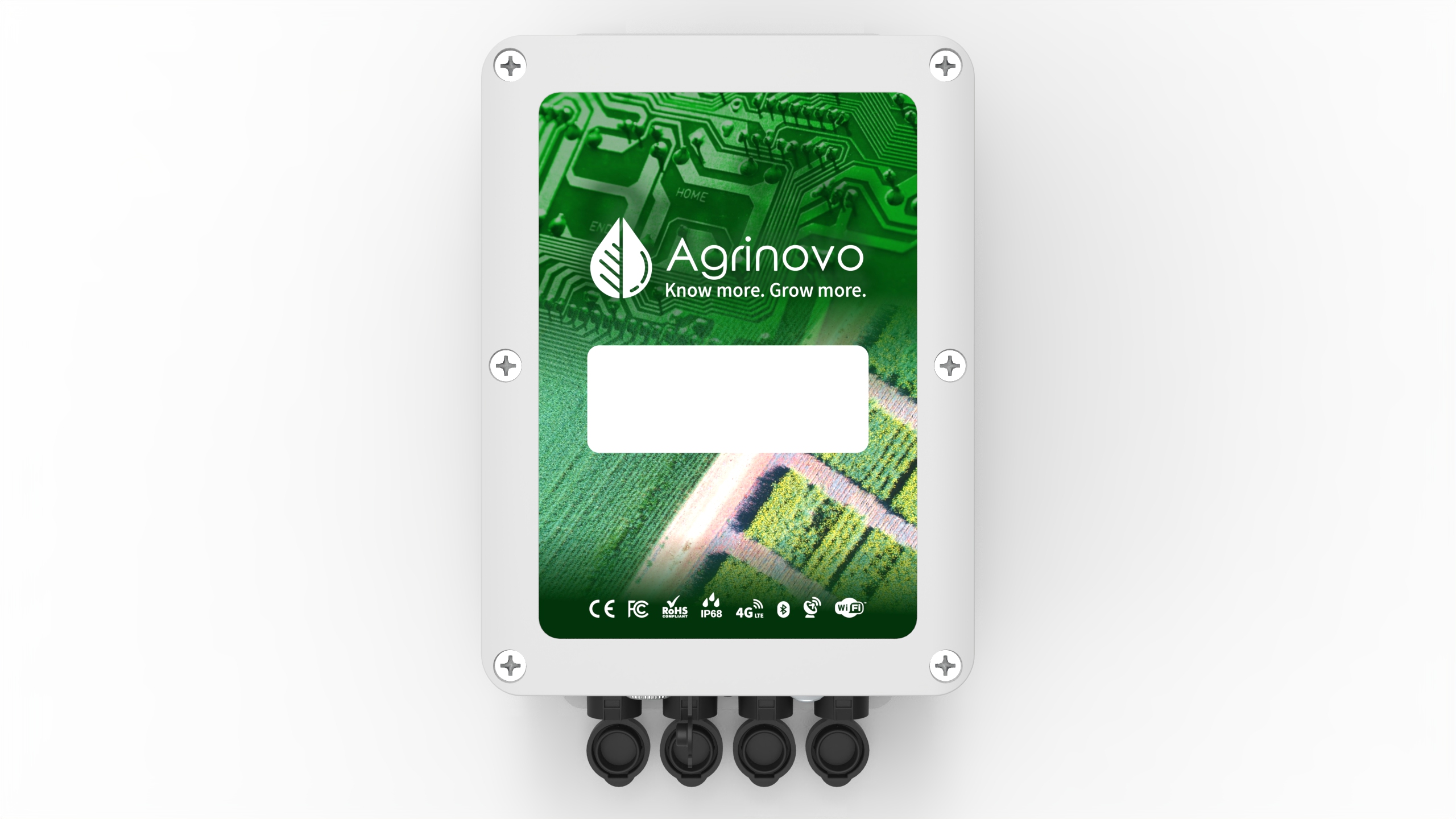
Omni Genesis IoT Controller - 4-Port, Solar, IP65
environmental
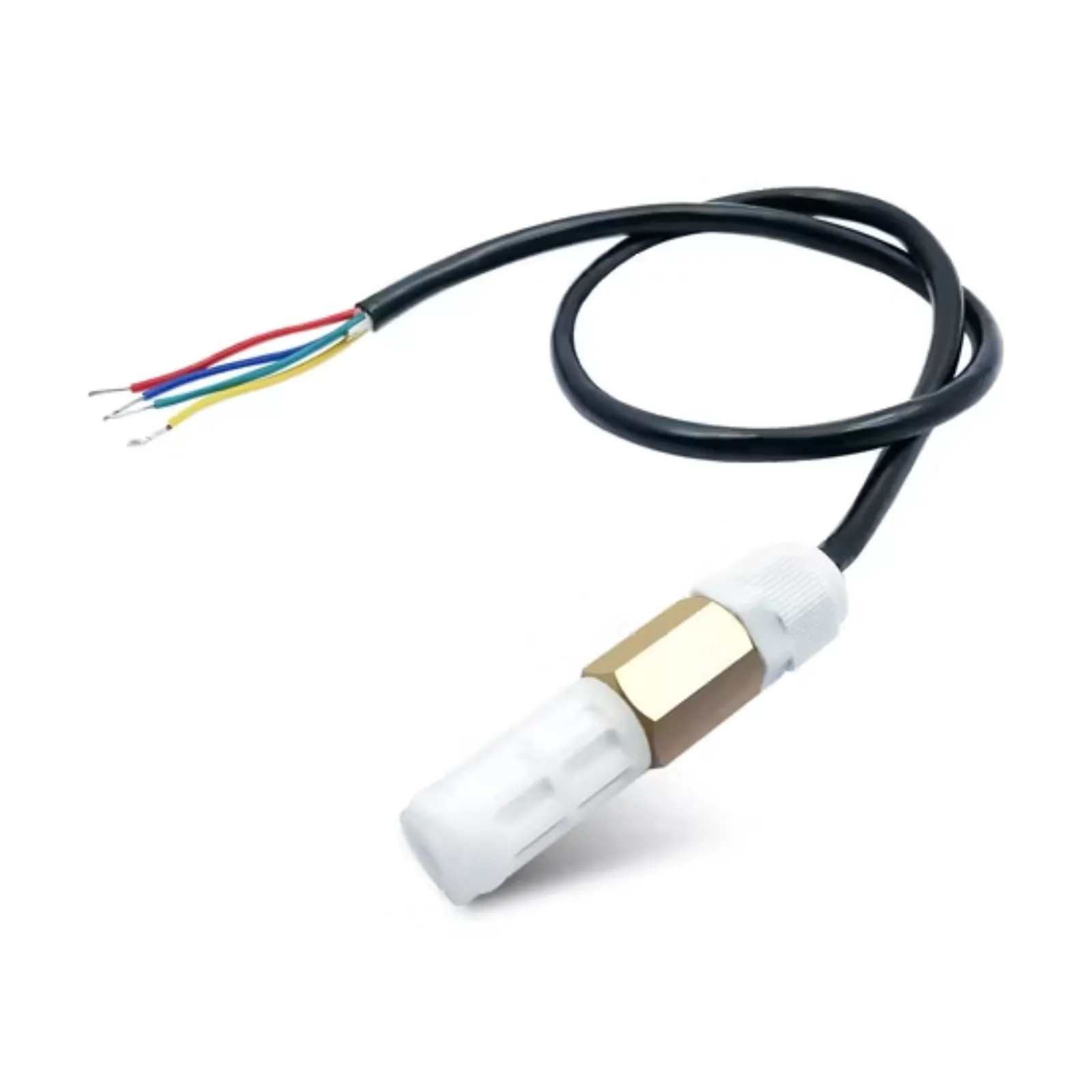
SHT30 Temperature & Humidity Sensor
Soil water tension
Irrometer tensiometers
Questions about this deployment
Why measure temperature in the bed instead of using the forecast?
Why does humidity matter for a frost decision?
Why is temperature accuracy worth paying attention to here?
Why put soil water tension on the same station as the frost sensor?
Can the system warn you when the temperature approaches the threshold?
How is the station powered out in the bed?
More deployments like this
Soil & Irrigation
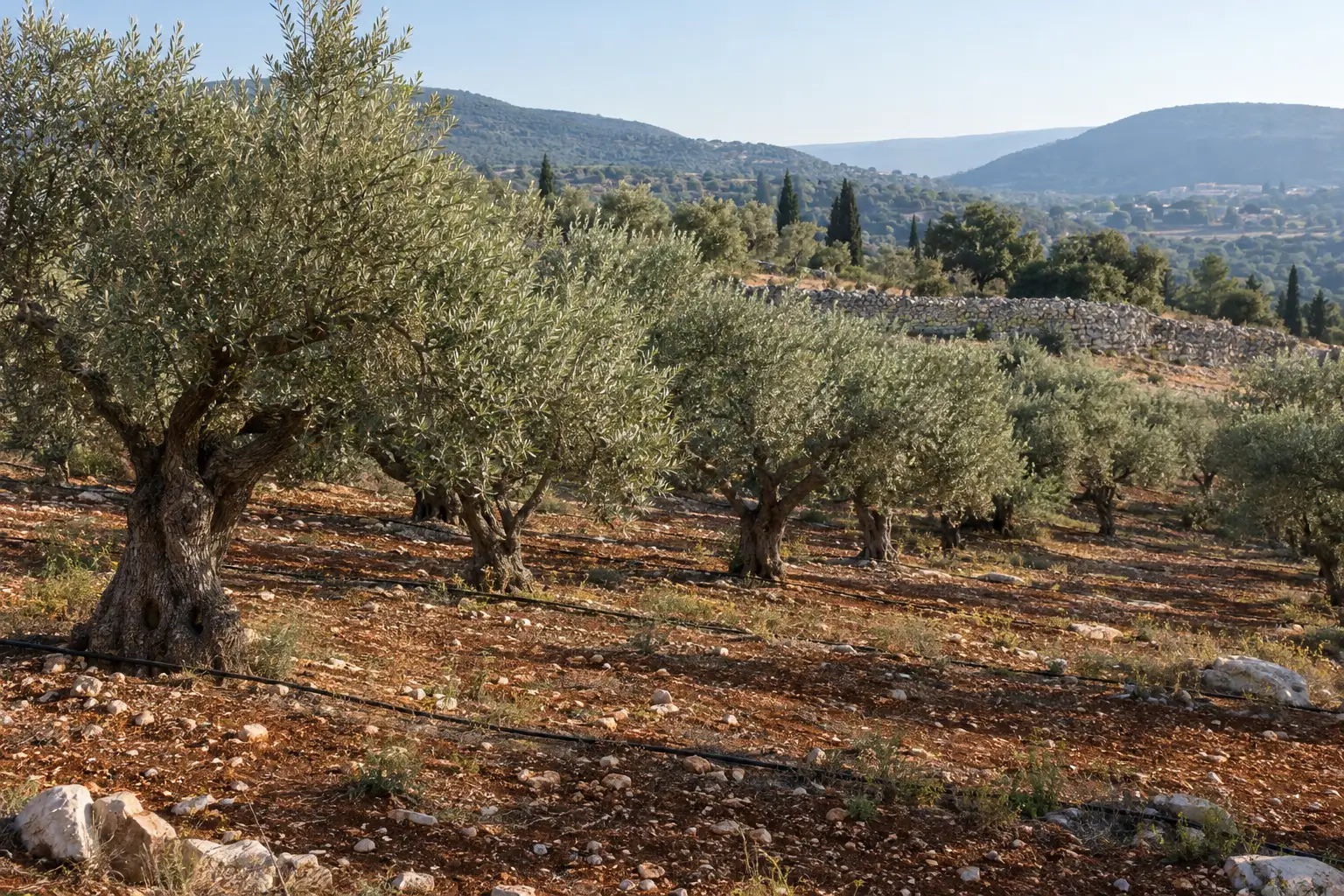
Olive grove tensiometer network
A 35-dunam (3.5 hectare) olive grove in the Upper Galilee switches from calendar irrigation to tensiometer-driven scheduling and cuts water use without losing yield.
19% less water over the 2025 season
Soil & Irrigation
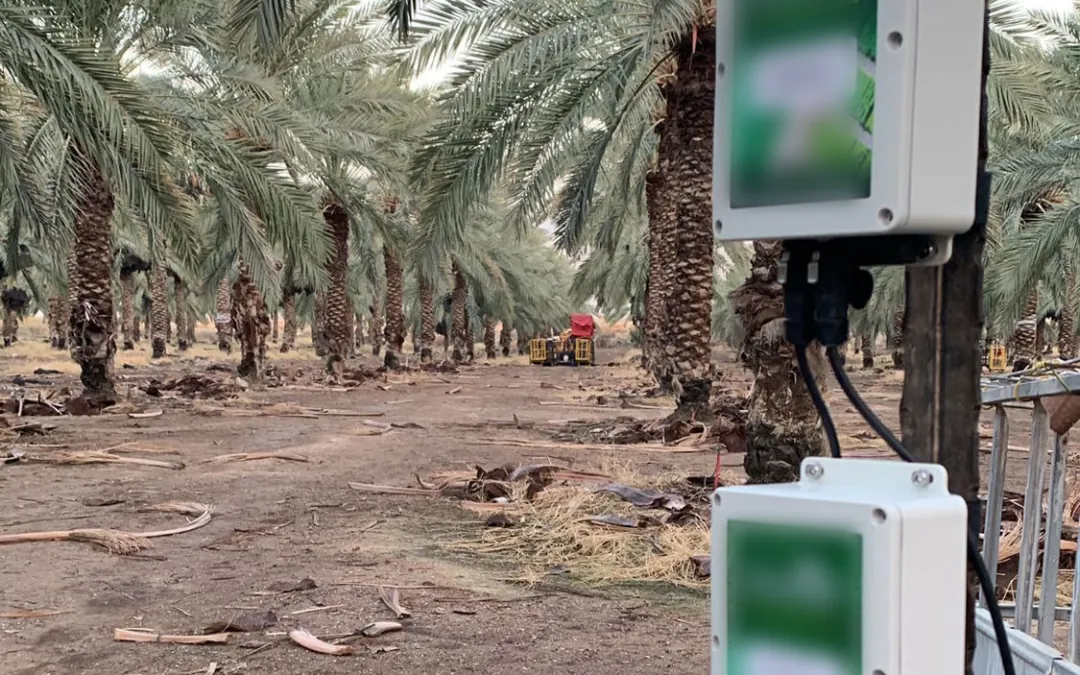
Medjool date orchard
A Medjool date orchard puts soil water tension under measurement. On a mature palm the roots are far below anything you can see, and the irrigation volumes are large enough that small errors are not small.
2 stations on one post
Soil & Irrigation
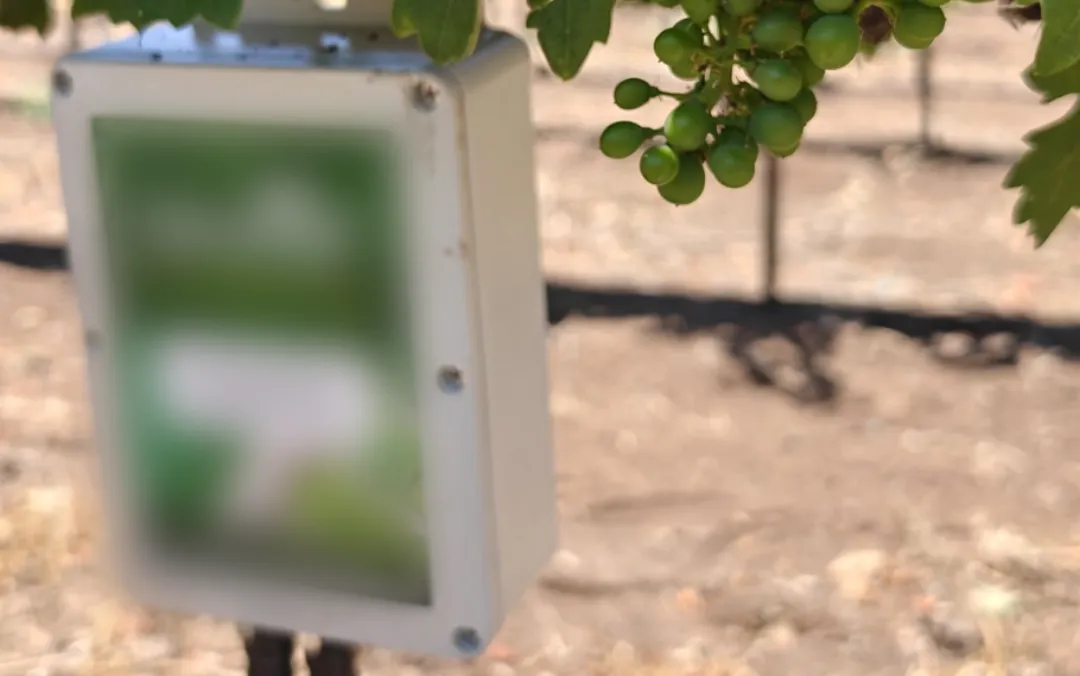
Vineyard soil tension
A wine grape vineyard reads soil water tension on Watermark 200SS sensors at two depths per station, because a wine vine is irrigated to a target stress rather than to a full profile.
0-200 kPa tension range
Planning something similar?
Tell us what needs monitoring and we will scope a right-sized system with you.