Soil & Irrigation
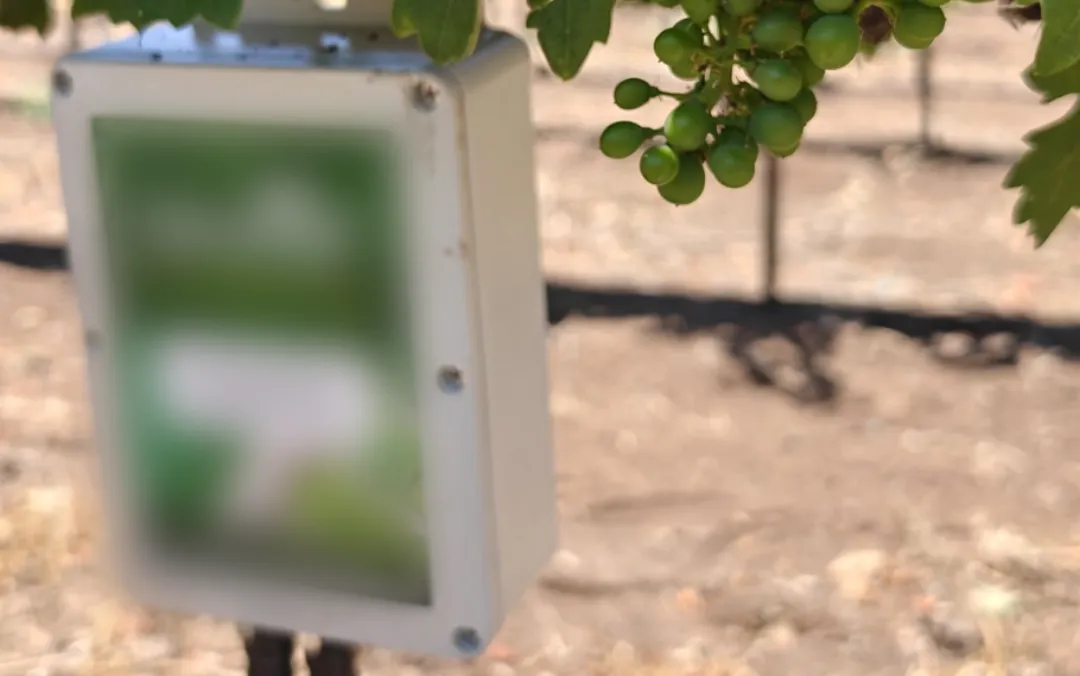
Watermark tension sensors in a wine grape vineyard, where controlled stress is the point
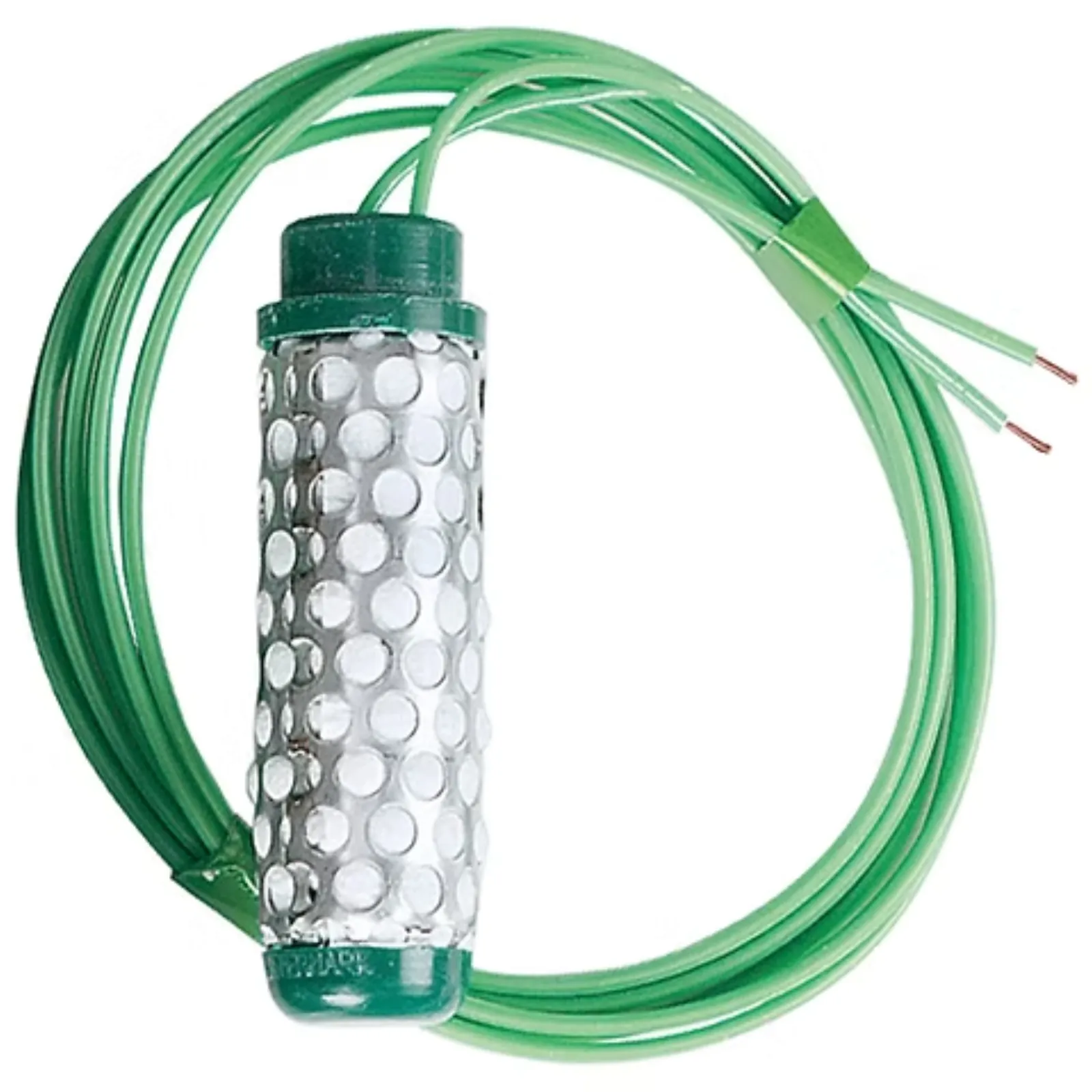
A wine grape vineyard reads soil water tension on Watermark 200SS sensors at two depths per station, because a wine vine is irrigated to a target stress rather than to a full profile.
Results on site
- 0-200 kPa
- tension range
- 2
- sensor positions per station
- 5+ yr
- typical sensor life
Covers a vine from freshly irrigated to seriously stressed on one sensor
Two cables leave one enclosure and read two depths in the profile
Granular matrix sensors need no calibration and no annual servicing
- The challenge
- Wine grapes are irrigated to a target water stress, not to a full profile, and stress cannot be judged by looking at the soil or the canopy until it is already too late to correct.
- What we installed
- Watermark 200SS granular matrix sensors reading soil water tension at two positions in the profile, wired into an Omni Genesis controller in the row and reporting over cellular.
- The result
- Irrigation decisions are made against tension in kPa at the depths the roots actually occupy, and the same reading shows whether water is staying in the root zone or draining past it.
The situation
Almost every irrigation sensor conversation starts from the same assumption: the grower wants to know when the soil is drying out so they can wet it again. In wine grapes that assumption is wrong, and it is wrong in an expensive way.
A vine with all the water it wants grows a large canopy and large berries. Large berries have proportionally less skin, and the skin is where the colour, the tannin and most of the aromatic compounds are. The grower is not trying to keep the vine comfortable. They are trying to hold it at a particular degree of water stress, especially through the stretch between fruit set and the beginning of colour change, because that is one of the few levers that changes what ends up in the glass.
Which turns irrigation into a measurement problem rather than a scheduling one. Too little water and the vine shuts down, drops leaves and never recovers that season. Too much and the fruit is diluted. The window between those is not wide, and neither the soil surface nor the look of the canopy tells you where you are inside it until you have already left it.
What was installed
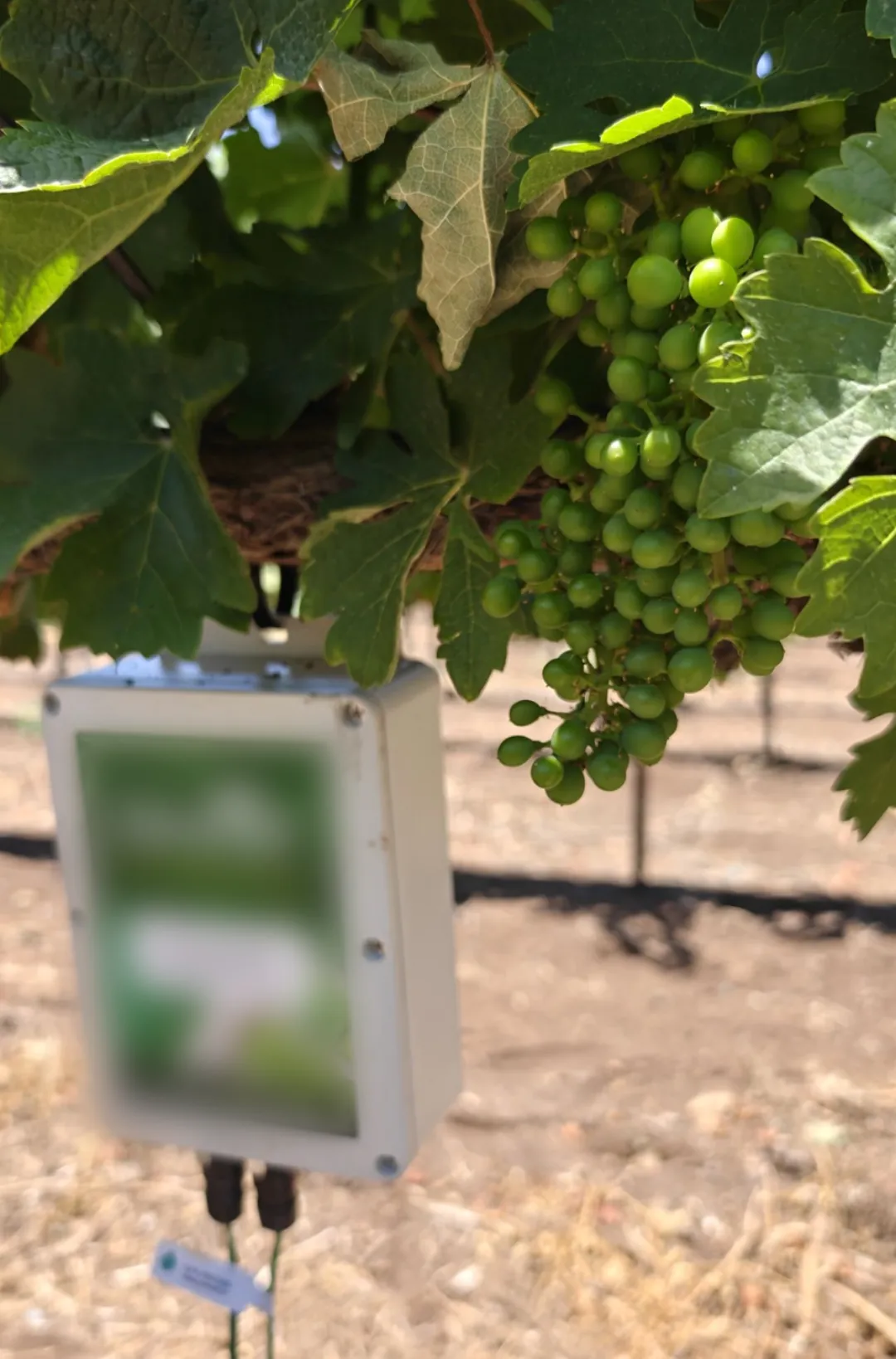
Each station is an Omni Genesis controller hung at vine height in the row, with Watermark 200SS granular matrix sensors reading soil water tension. Two sensor cables leave the enclosure and run down into the profile beneath the vine.
The controller sits in the row rather than at the edge of the block on purpose. Sensor cable is the thing that limits where a station can go, and the measurement is only worth taking where the roots and the drippers actually are. Reporting is cellular, so there is no penalty for being in the middle of a block with nothing else around it.
Why tension, and why two depths
Watermark sensors report in kPa, which is a measure of how hard the roots have to work to pull water out of the soil. That is the quantity the vine responds to, and it is the reason tension travels between blocks in a way that volumetric moisture does not. Twenty percent moisture is wet sand and dry clay; fifty kPa is fifty kPa everywhere.
Two positions in the profile turn a number into a picture. The shallower sensor shows what the vine is working against right now. The deeper one answers a different question: did the last irrigation reach this far, or did it run past the root zone entirely. A shallow reading that recovers while the deeper one stays flat is a short irrigation. Both recovering quickly after a small application usually means water is going somewhere the vine will never get it.
That second reading is the one growers tend to be surprised by, because drainage losses are invisible from the surface. The soil looks watered either way.
Why it matters
The useful thing here is not that the vineyard can see its soil moisture. It is that a deliberately imprecise practice becomes measurable.
Deficit irrigation is standard viticulture and has been for decades, but on most blocks it is executed by feel: the manager’s read of the canopy, the calendar, and what worked last year. That works in the hands of someone with twenty seasons on the same ground, and it transfers to nobody. A tension curve at two depths per station is the same judgement written down in a form that a second person can act on, that can be compared between blocks, and that still exists next season when the weather is different.
The sensors themselves are chosen to disappear into the background. Granular matrix sensors need no calibration, have no soil-specific curve to maintain, and typically last five years or more in the ground. In a permanent crop that is most of the argument: the station is installed once, and then it is expected to keep being right without anyone visiting it.
From the site
Hardware in this deployment
Every sensor below connects to the same controller. That is what makes a mixed site possible.
Questions about this deployment
Why measure tension in kPa rather than volumetric moisture in percent?
Why would a vineyard deliberately keep the vine short of water?
Why two sensor positions instead of one?
Do Watermark sensors need calibrating?
Why is the controller in the row rather than at the edge of the block?
Does this work on an existing drip system?
More deployments like this
Soil & Irrigation
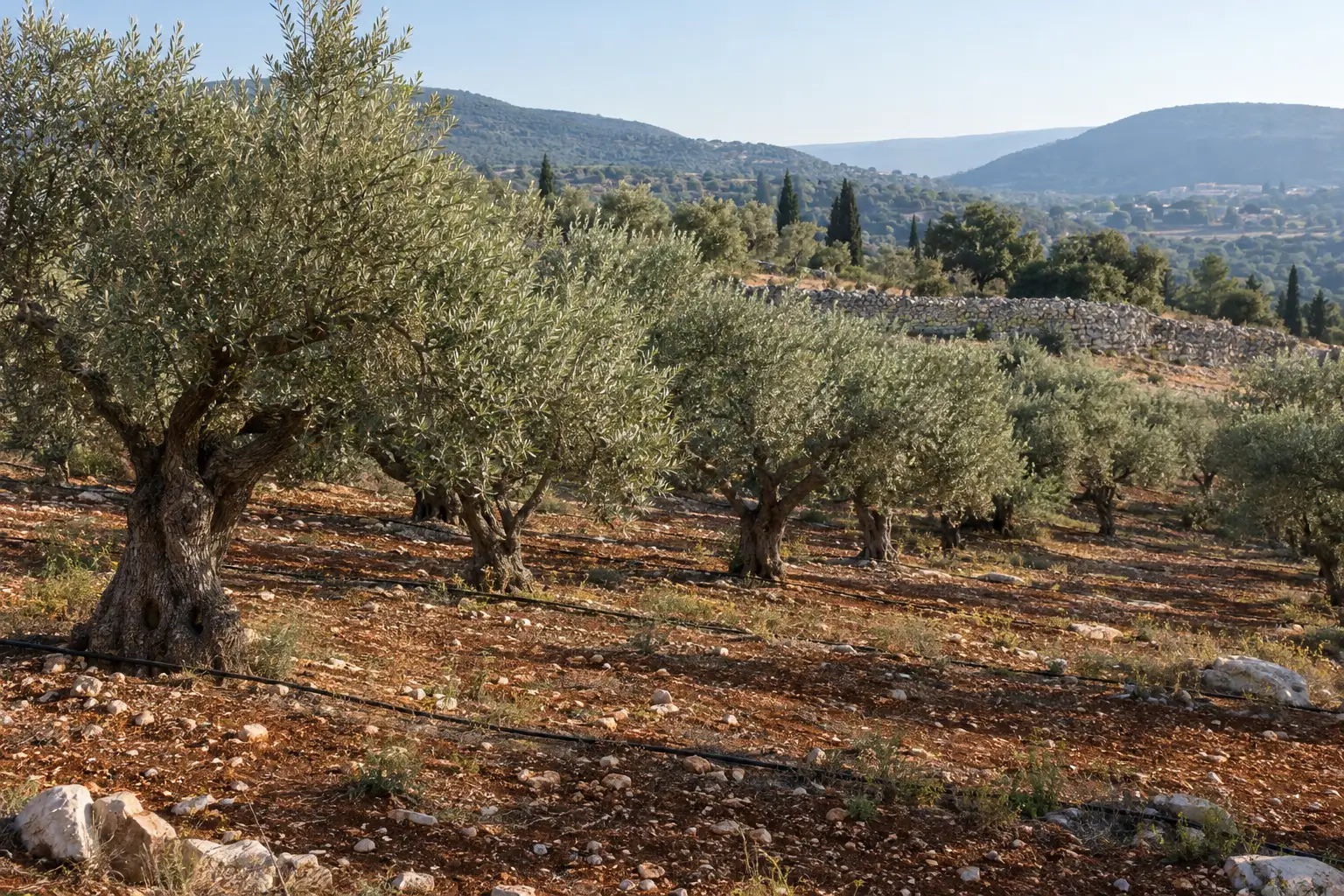
Olive grove tensiometer network
A 35-dunam (3.5 hectare) olive grove in the Upper Galilee switches from calendar irrigation to tensiometer-driven scheduling and cuts water use without losing yield.
19% less water over the 2025 season
Soil & Irrigation
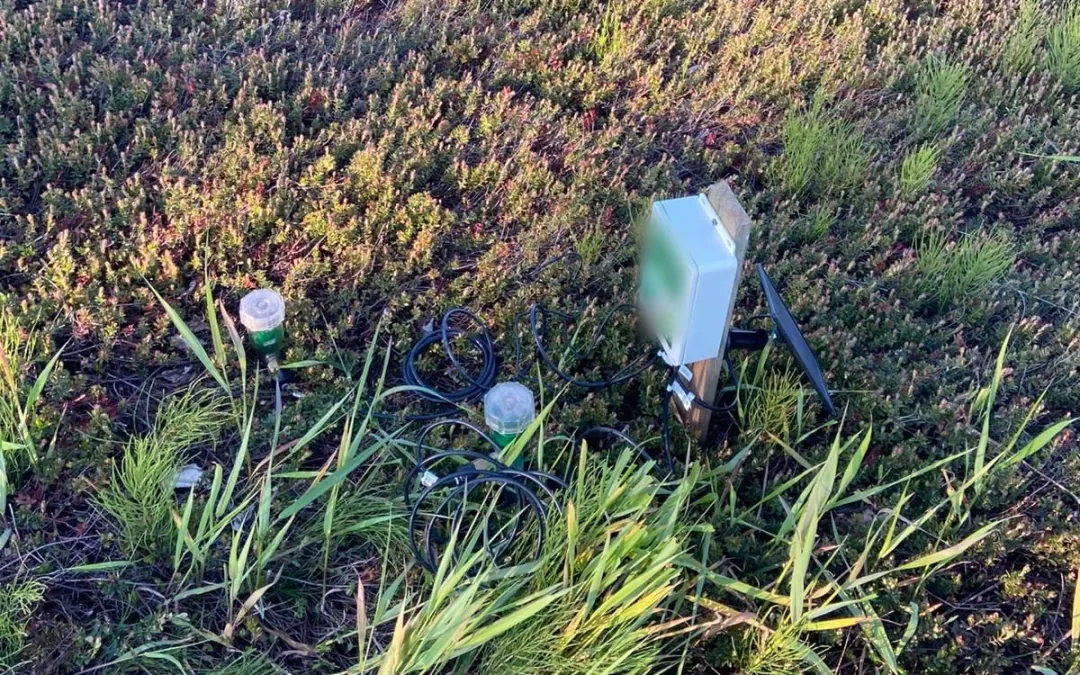
Cranberry frost monitoring
A cranberry grower in Canada puts air temperature, humidity and soil water tension on one solar-powered Omni Genesis station sitting in the bed, where the frost decision is actually made.
±0.3 °C temperature accuracy
Soil & Irrigation
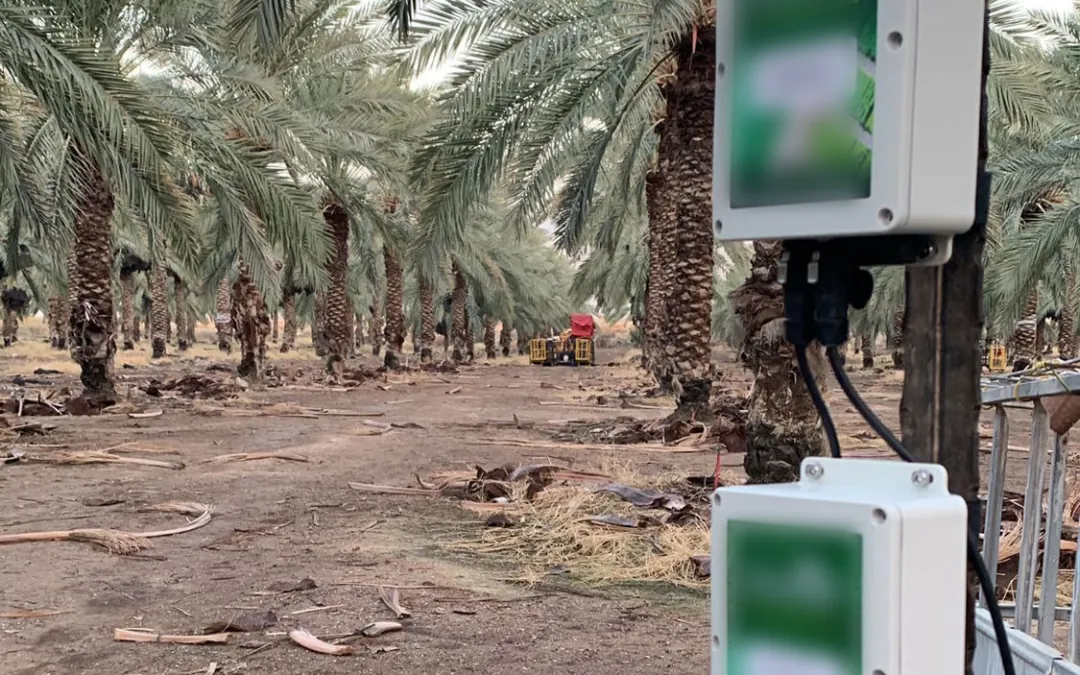
Medjool date orchard
A Medjool date orchard puts soil water tension under measurement. On a mature palm the roots are far below anything you can see, and the irrigation volumes are large enough that small errors are not small.
2 stations on one post
Planning something similar?
Tell us what needs monitoring and we will scope a right-sized system with you.