Irrigation Reservoir & Water Tank Level Monitoring: Sensor Guide
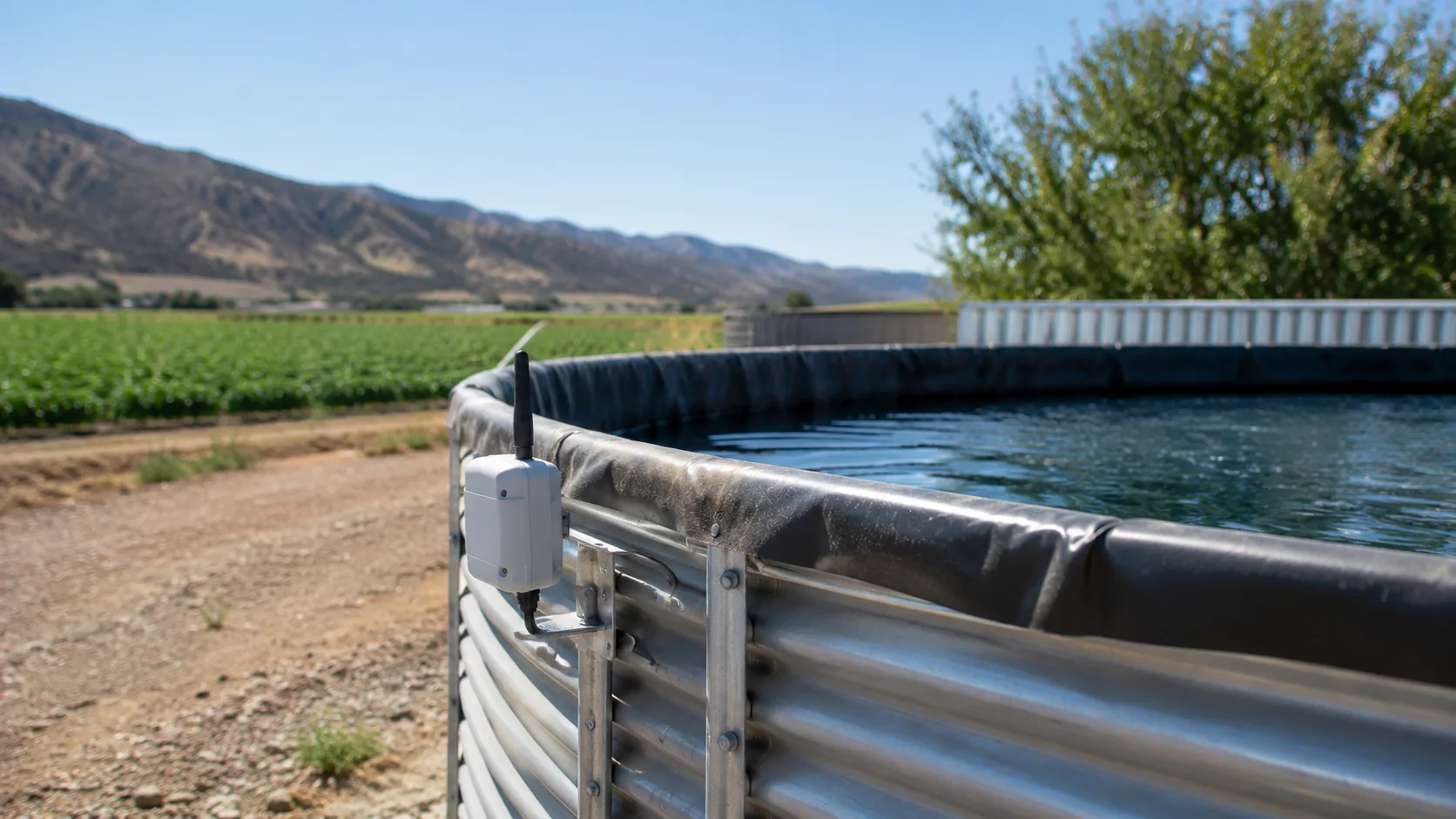
How to monitor water level in irrigation reservoirs and tanks: ultrasonic vs radar sensors, remote alerts, pump protection, and choosing a system that works off-grid.
Page 2 of 5
How to monitor water level in irrigation reservoirs and tanks: ultrasonic vs radar sensors, remote alerts, pump protection, and choosing a system that works off-grid.
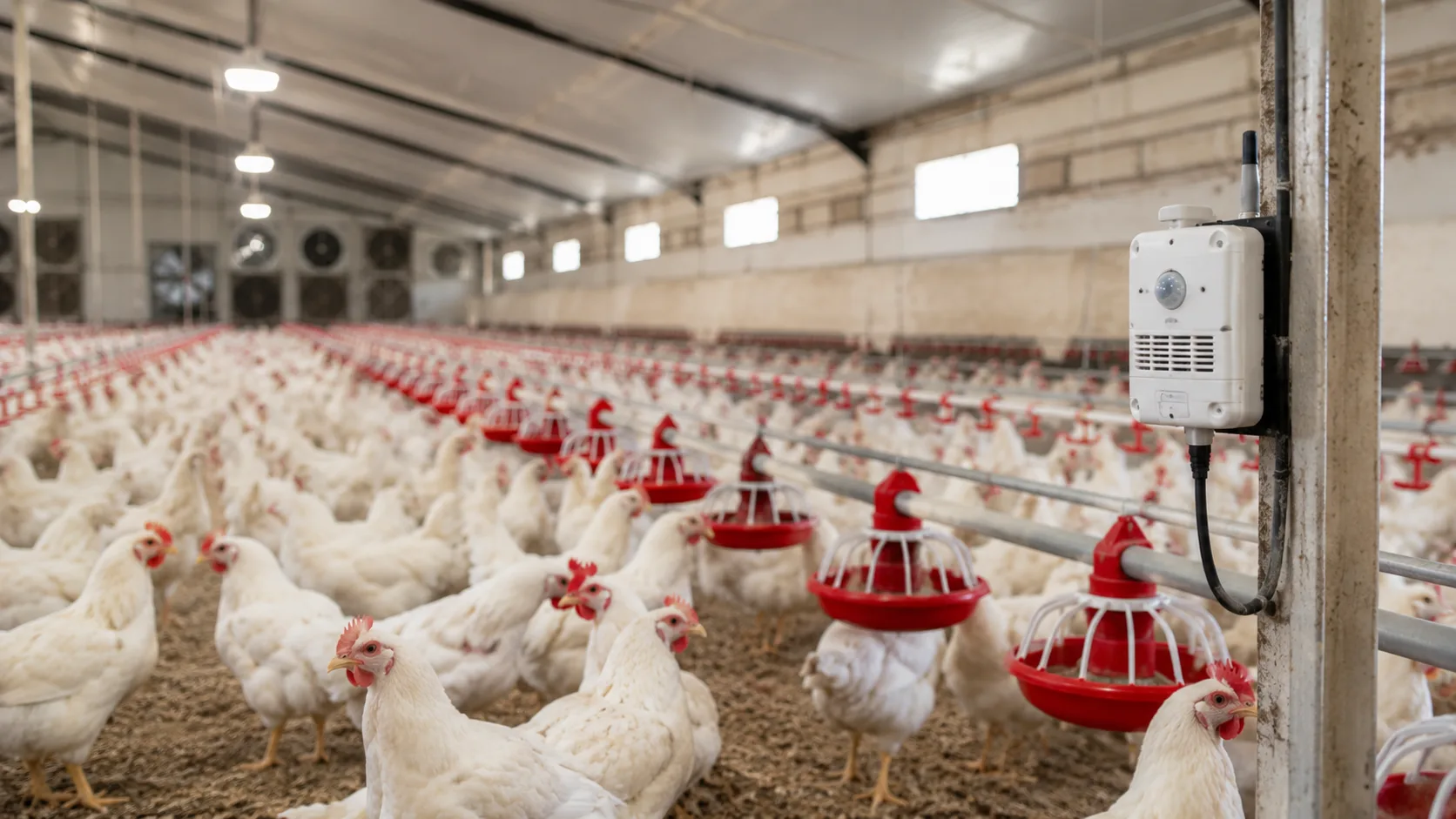
How to monitor a poultry house: continuous temperature, humidity, and H2S sensors, why they drive ventilation and ammonia control, and how to get remote alerts before birds are stressed.
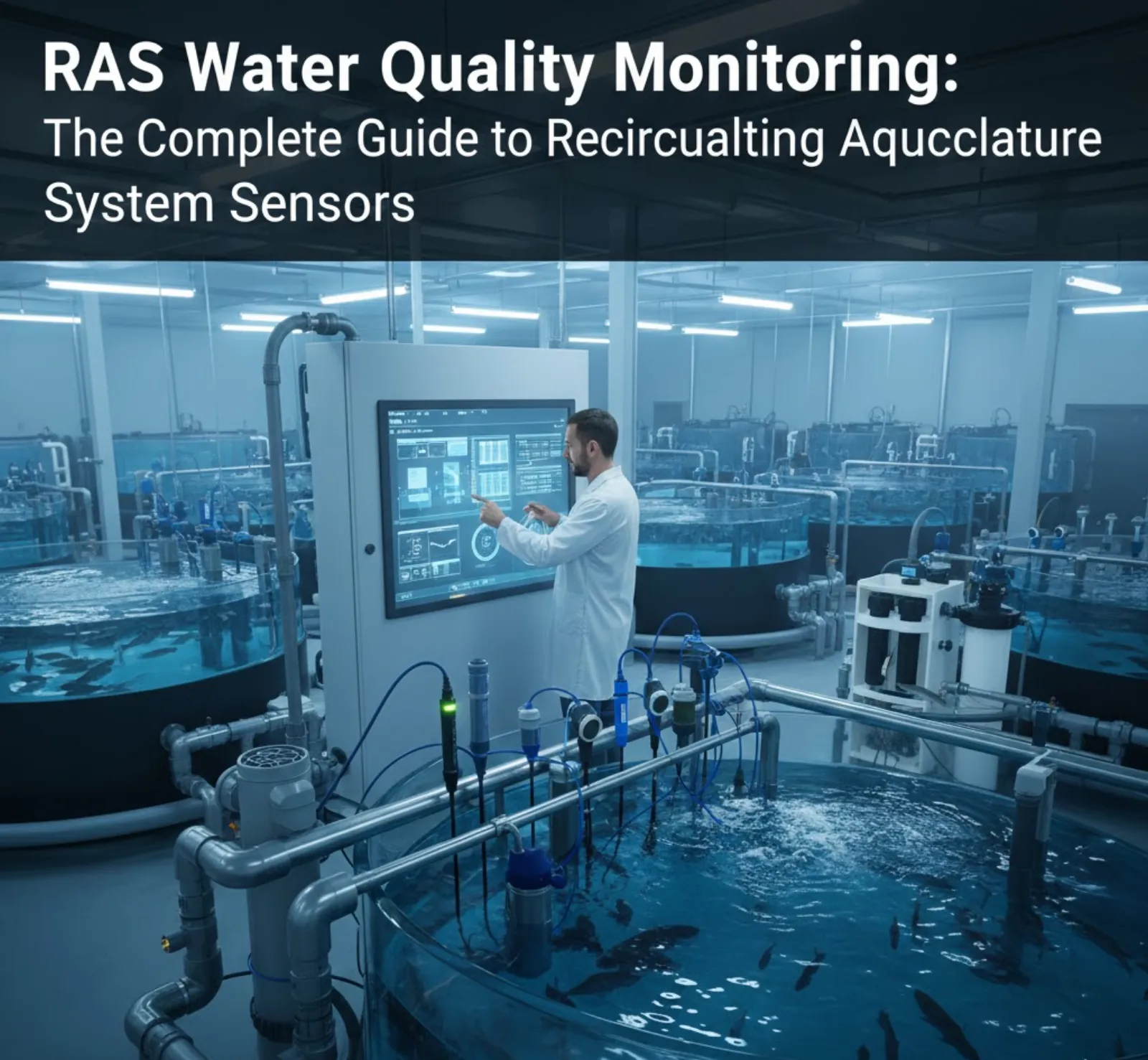
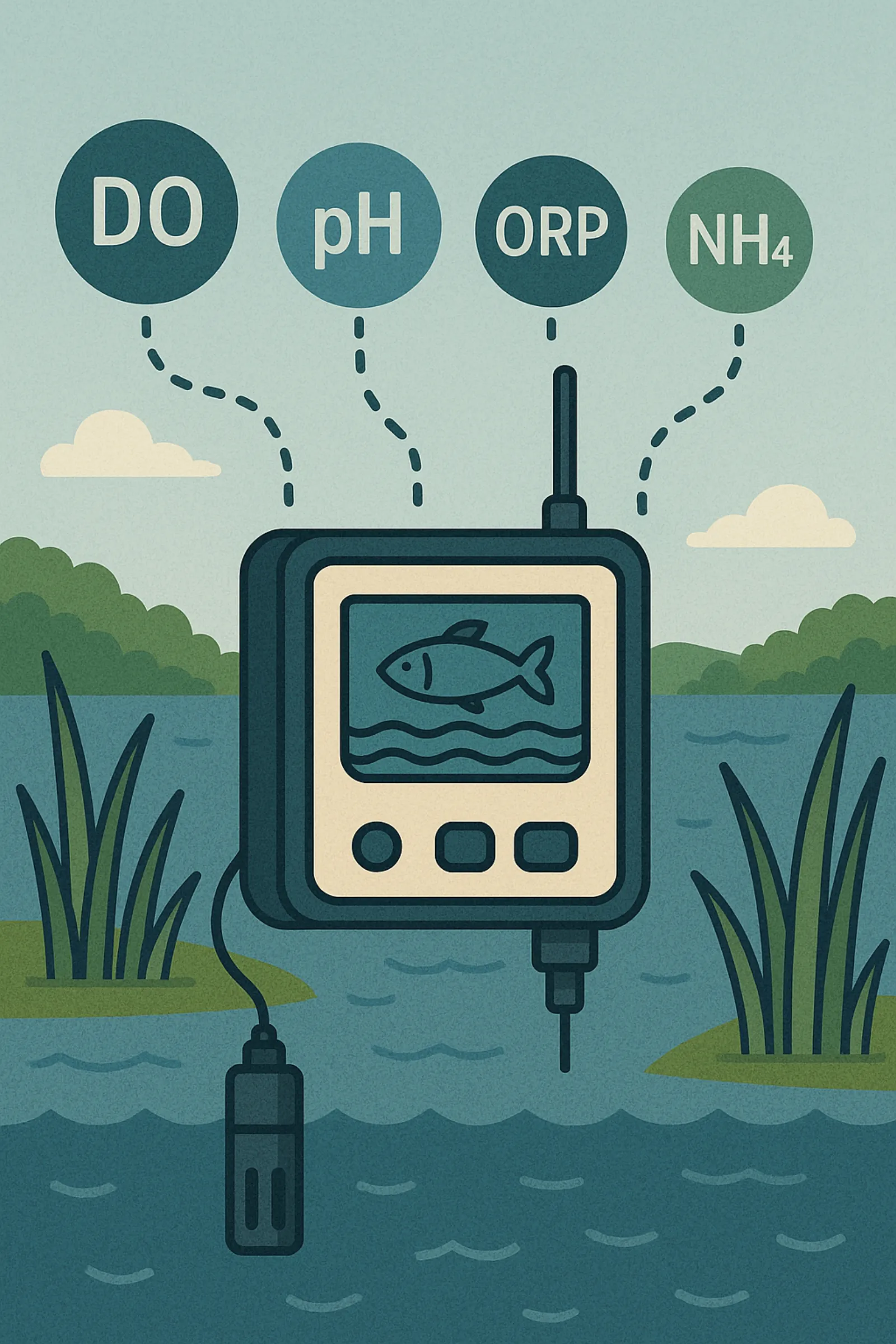
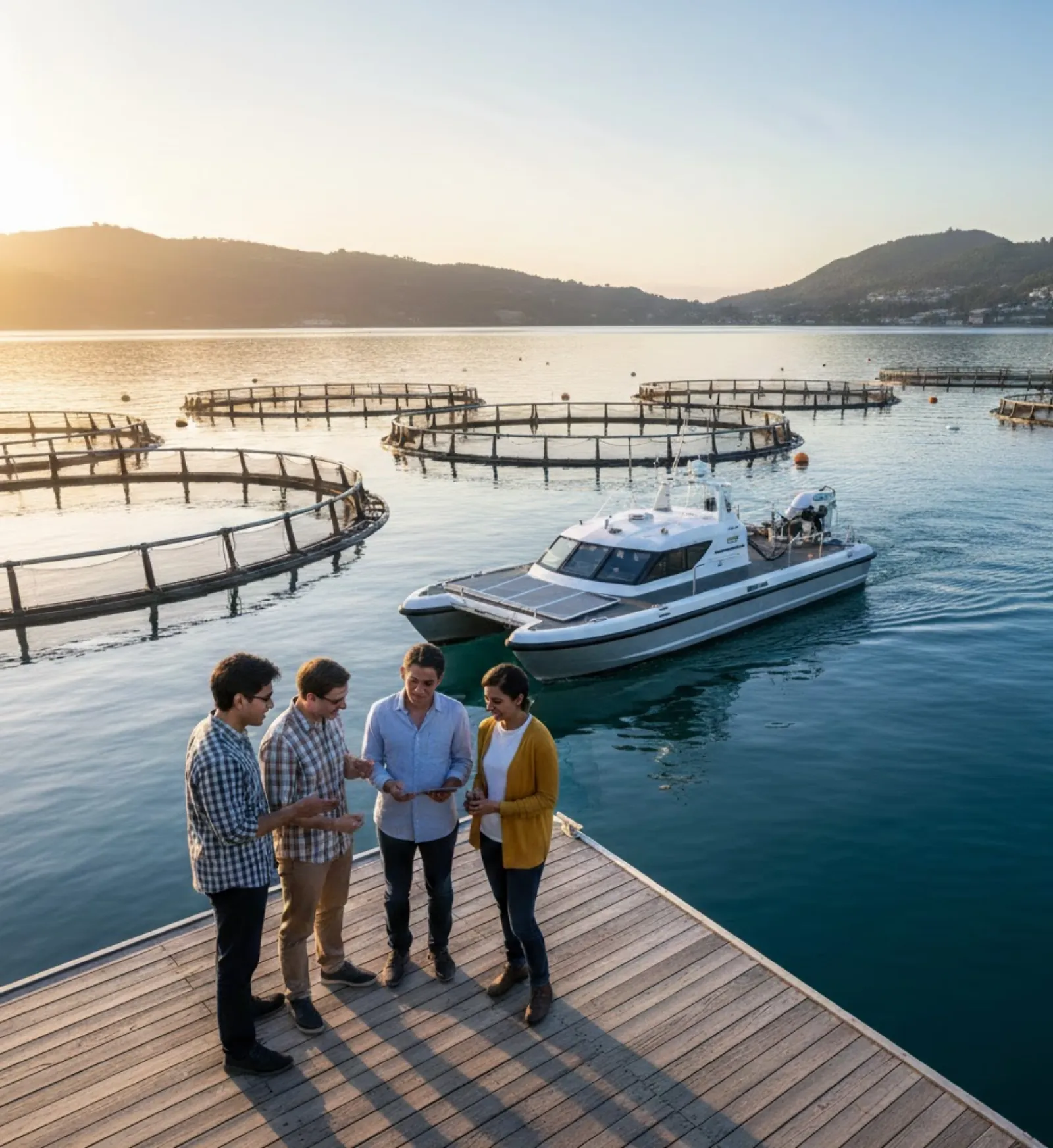
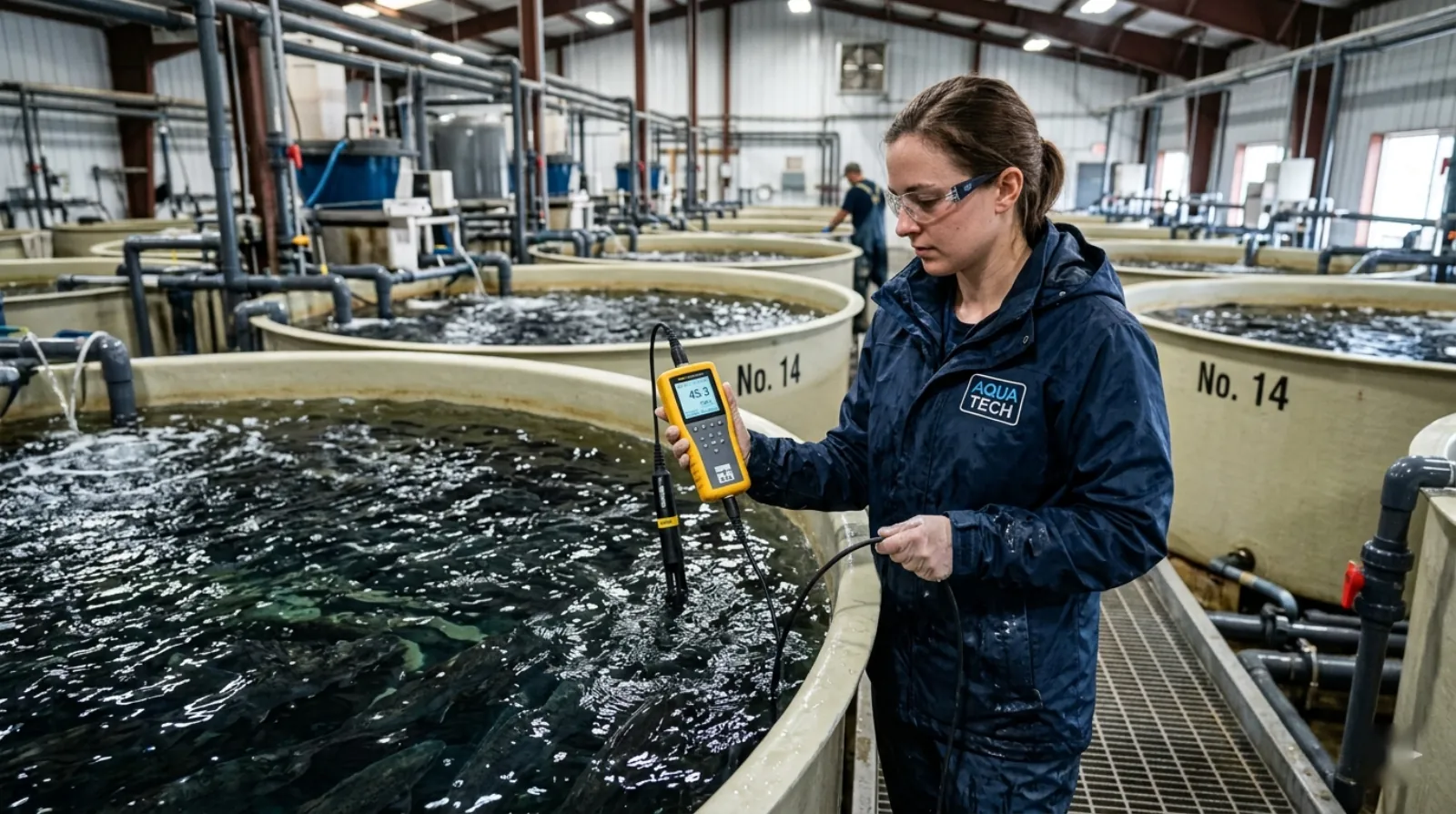
How to build a RAS monitoring system: the DO, pH, ammonia and ORP sensors a recirculating loop needs, where they go, and the alarms that prevent crashes.
What goes into a shrimp farm monitoring system: which sensors to deploy, where to place them, the alert thresholds that matter, and how to scale across ponds.
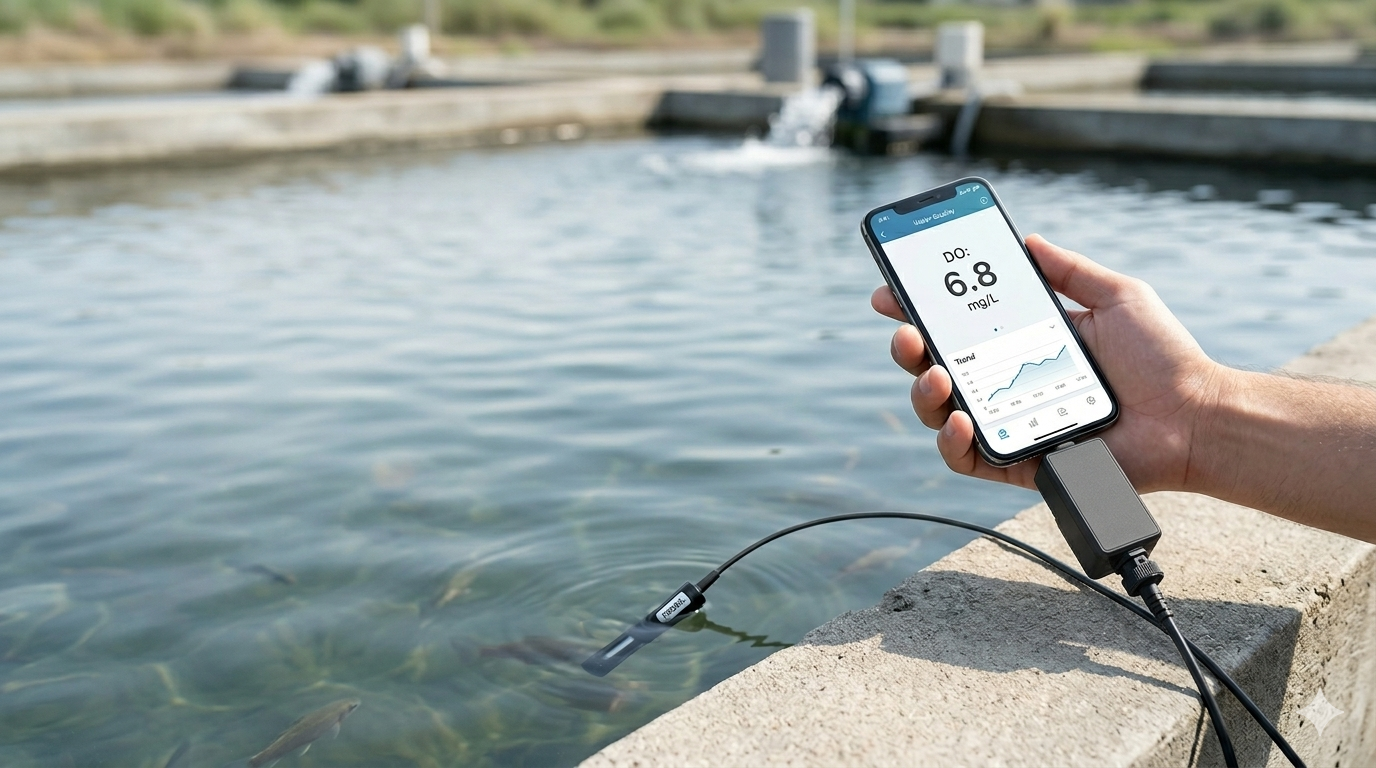
How a USB-C adapter turns any phone into a field water quality meter that records who tested, when, and where. A practical look at MobileSense for multi-site farms.
Which water quality parameters tilapia farms should monitor, the sensors to use in ponds and tanks, where to place them, and the alerts that protect a crop.
How to control humidity in a cannabis, date or herb drying room with an IoT controller, a humidity sensor and relay-driven fans, heaters and dehumidifiers.
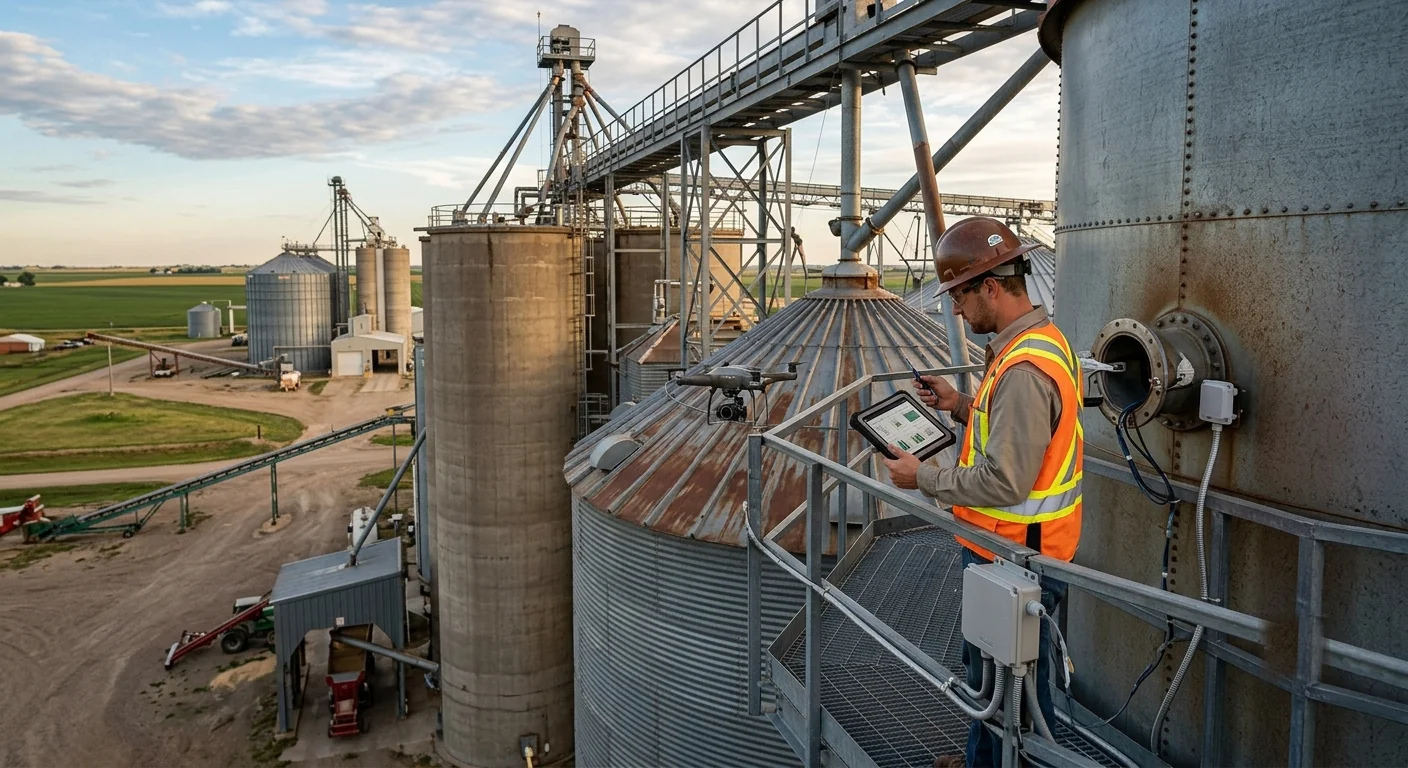
What a silo monitoring system actually does, how the parts fit together, and how to deploy one across grain, feed, and powder storage without climbing silos.
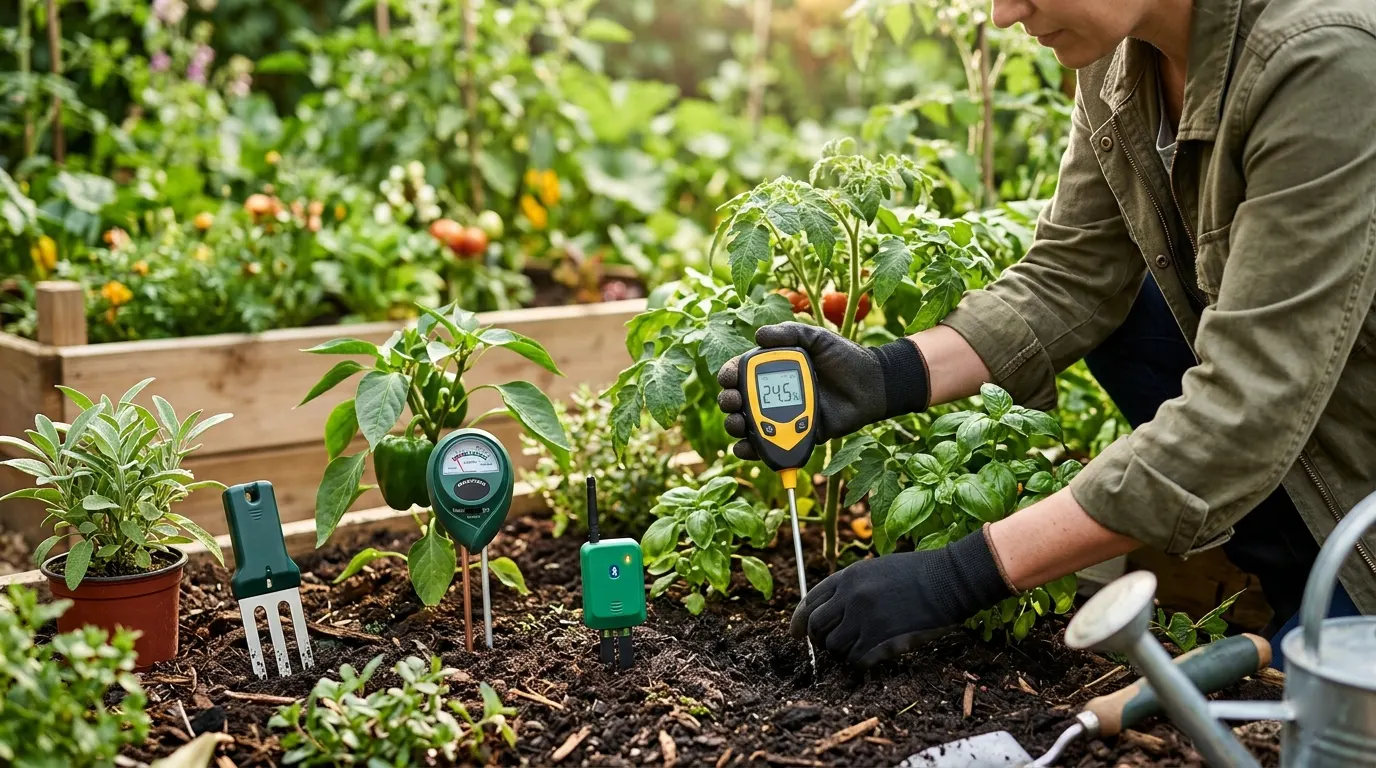
How to choose a soil moisture sensor for your farm: granular matrix, tensiometer, capacitive, and TDR sensors compared by crop, soil type, and irrigation goals.
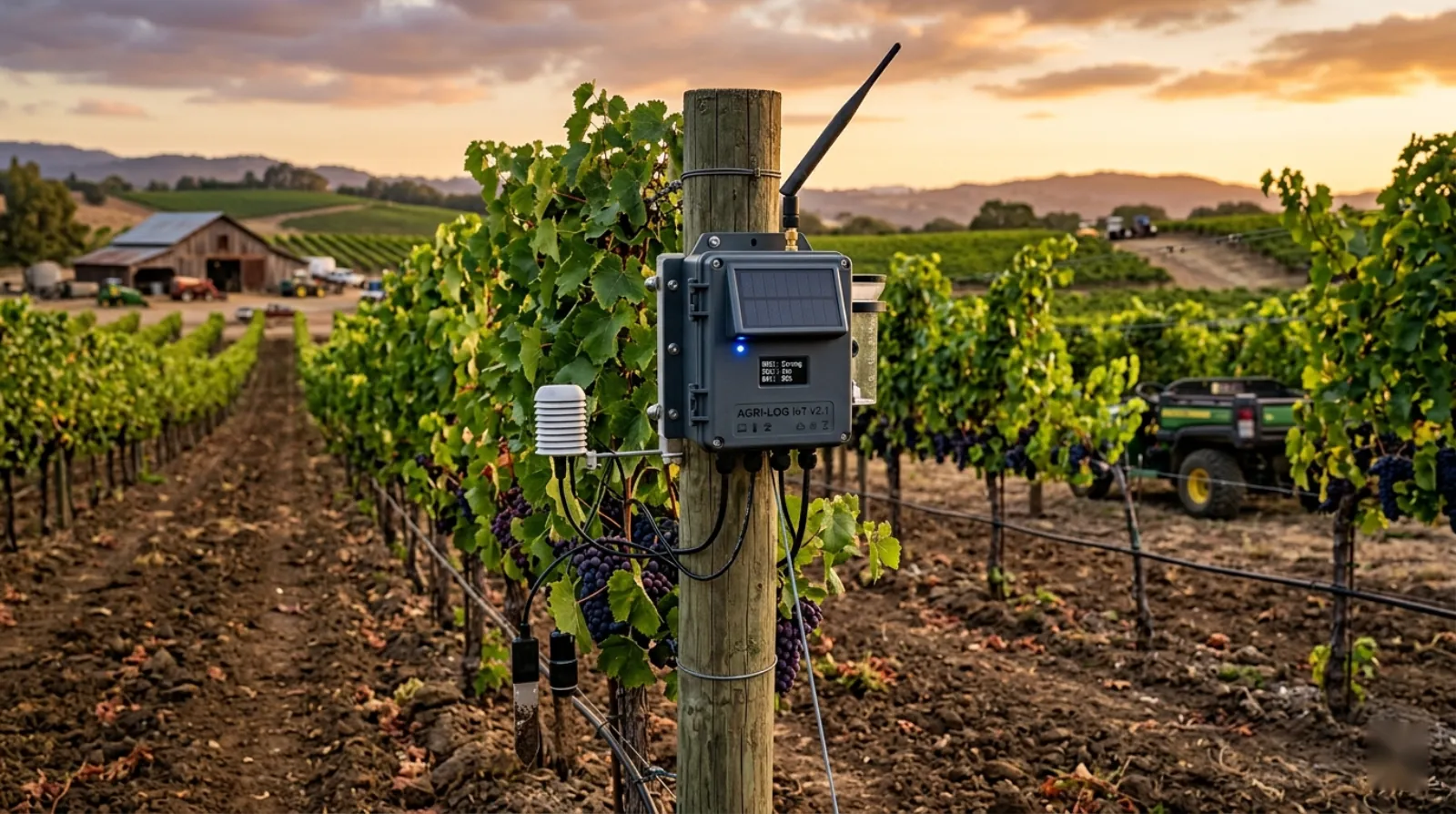
A practical guide to farm IoT data loggers: sensor inputs, comms (cellular, LoRaWAN, WiFi), power, and ruggedness for real field conditions.
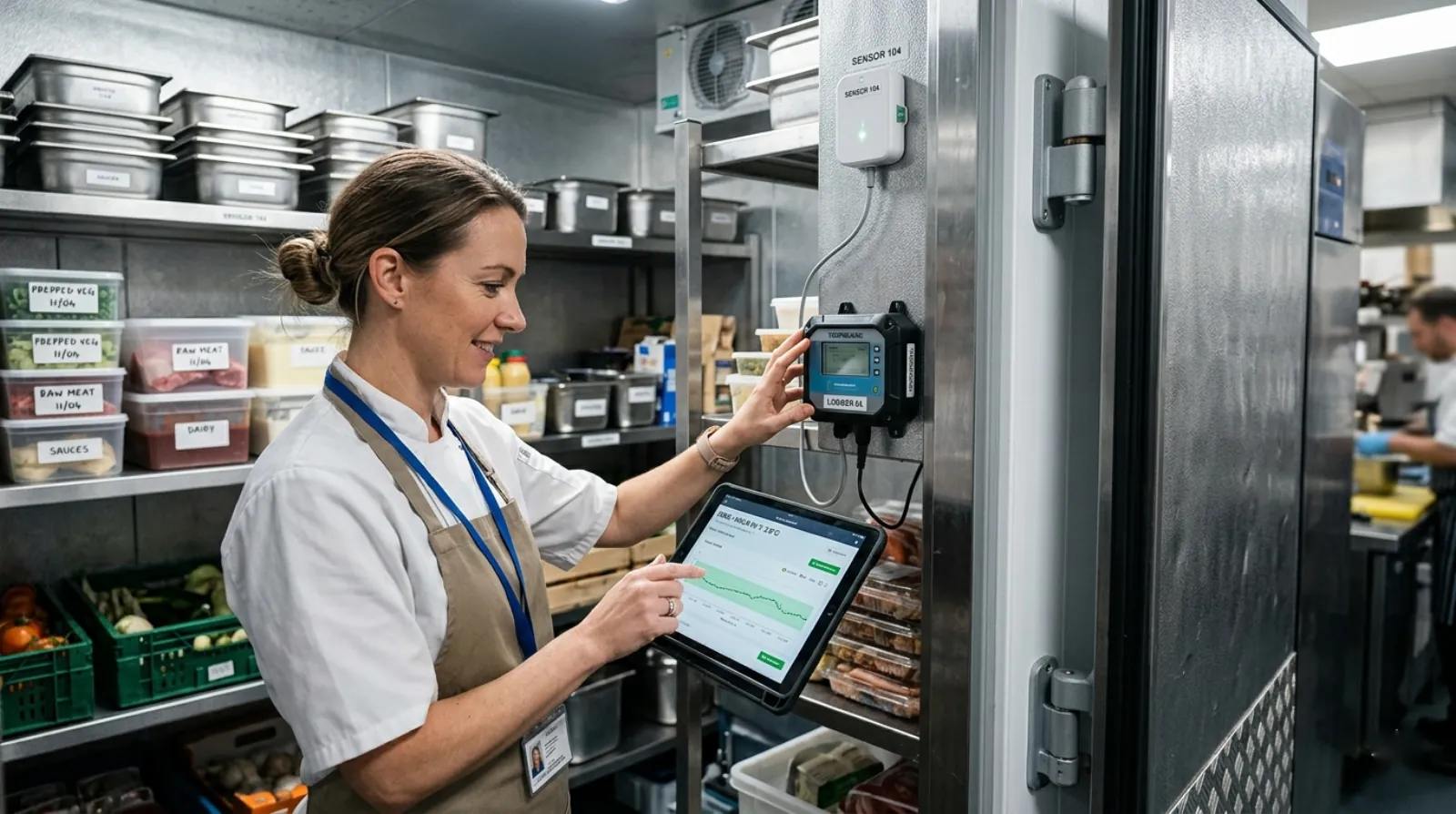
Replace paper temperature logs with automated monitoring for cold storage and kitchens: accuracy, placement, alerts, and audit-ready HACCP records.
Nitrate accumulates silently in RAS and ponds. Safe NO3 ranges by species, when probes beat test kits, and how to catch slow-rising trends early.