RAS
A RAS farm where pH is not a fish parameter, it is the biofilter's vital sign
An indoor recirculating fish farm measures pH, EC, dissolved oxygen and temperature on one controller. In a RAS the biofilter is a second population to keep alive, and it consumes the same water the fish do.
Results on site
- 4
- parameters, one controller
- 2
- populations sharing the water
- Mains
- indoor installation
pH, EC, dissolved oxygen and temperature on one RS485 bus
The fish, and the nitrifying bacteria that keep the fish alive
Mounted on the pipe run rather than staked in a field
- The challenge
- A recirculating system keeps two populations alive in the same water. The fish are visible and the nitrifying bacteria in the biofilter are not, and the parameters that describe the biofilter's health are not the ones people watch.
- What we installed
- pH, EC and dissolved oxygen probes on one controller, with water temperature reported by the probes themselves.
- The result
- The four readings that govern both the fish and the biofilter are recorded continuously against a shared clock, in a system where problems compound quickly because nothing leaves.
The situation
A recirculating aquaculture system is an unusual thing to run, because it is a farm with two populations in it and only one of them is visible.
The fish are the reason the facility exists. The nitrifying bacteria in the biofilter are the reason the fish survive: they convert the ammonia the fish excrete into nitrite and then into nitrate, continuously, and if that population falters the water becomes toxic to the stock within a short time. Everyone who runs a RAS knows this. What is easy to lose sight of is that the biofilter is livestock too, with its own requirements, and that the water carries both sets of needs at once.
Why pH reads differently here
In an open pond, pH moves mostly with photosynthesis and the day and night cycle. In a recirculating system it is being driven by the filter.
Nitrification is an acid-producing process. It consumes alkalinity, and as long as the fish are being fed and the filter is working, pH is under continuous downward pressure. That is not a fault. It is the signature of the biofilter doing exactly what it was built to do, and it is why RAS operators buffer the system rather than treating a falling pH as an anomaly.
Which makes pH one of the more informative numbers in the building. It sits at the intersection of feeding rate, filter activity and buffering, and a change in its behaviour is usually a change in one of those three rather than a water quality event in its own right.
Oxygen has more consumers than the fish
Dissolved oxygen in a RAS is not simply a function of stocking density.
The fish consume it. The nitrifying bacteria in the filter require it to do their work. The heterotrophic population living on the organic load in the system consumes it as well. Oxygen demand therefore tracks feeding rather than biomass alone, and it is possible for a system to be comfortably oxygenated for its fish while running short for its filter, which is the more dangerous of the two shortages because its consequences arrive indirectly and later.
What was installed
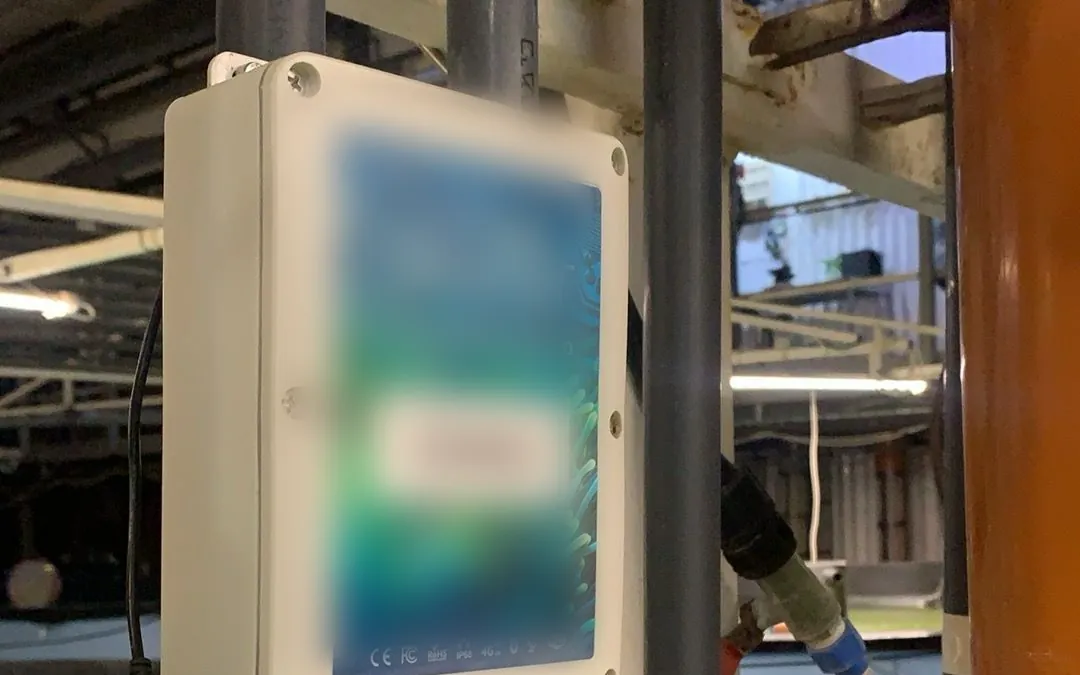
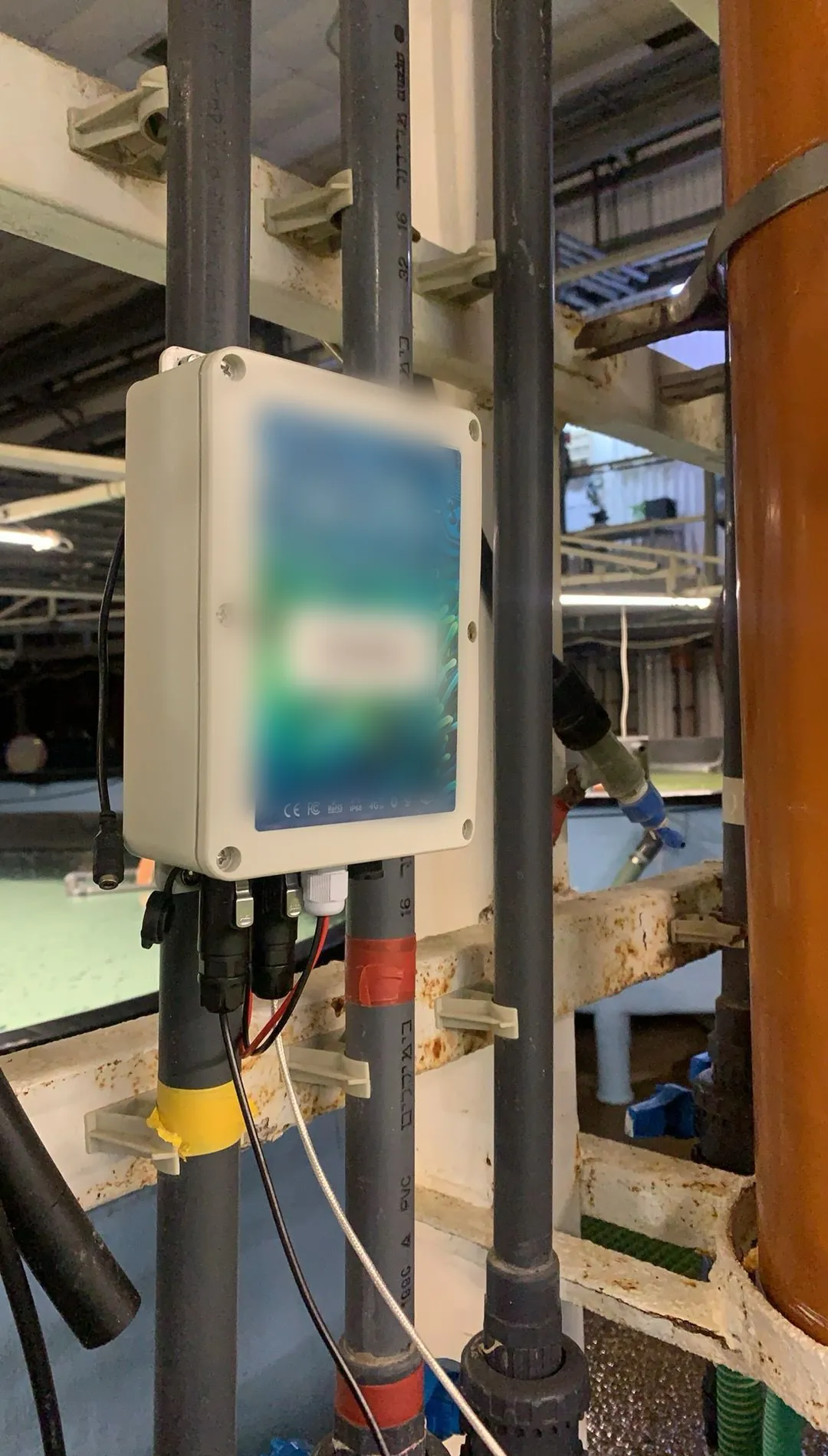
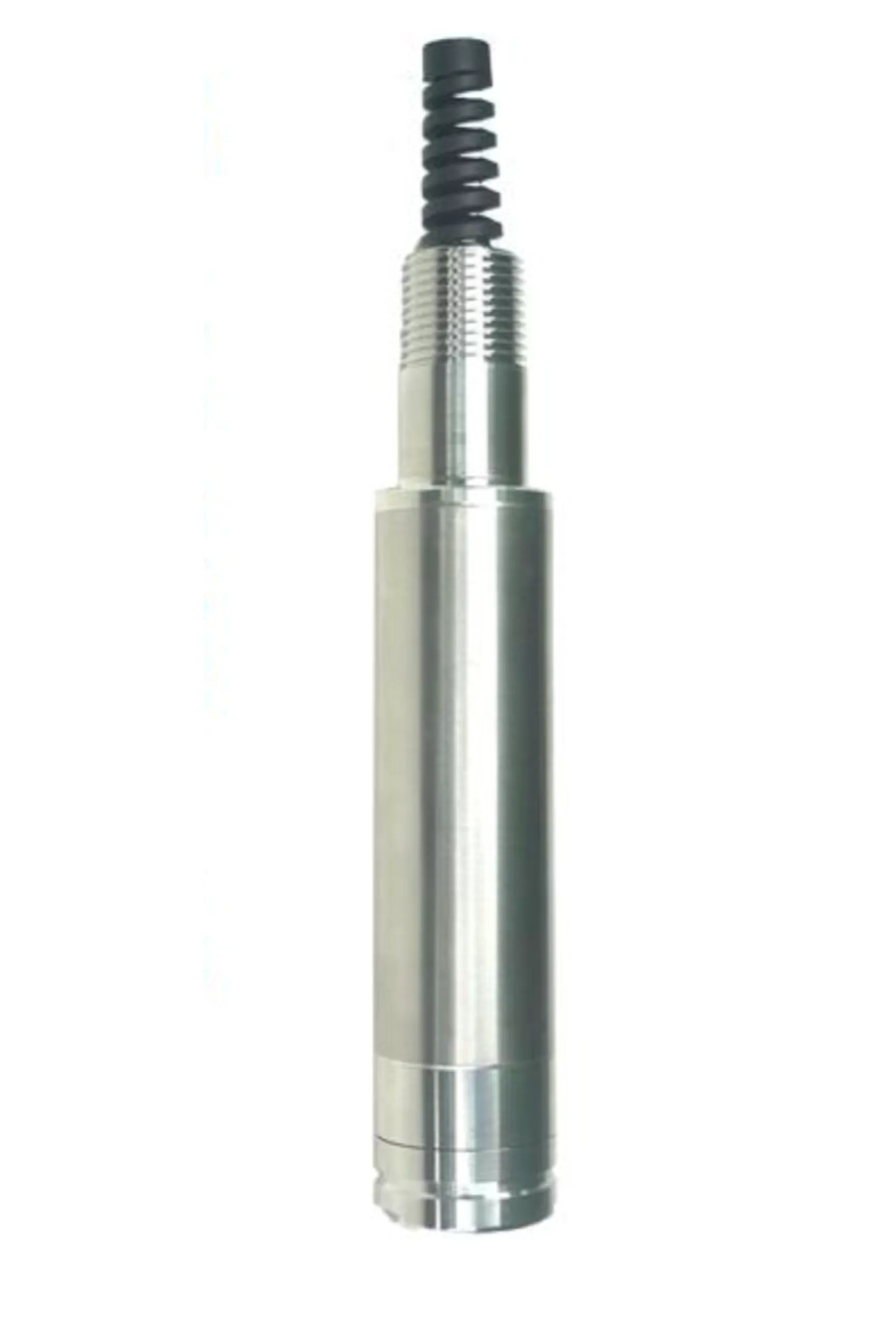
A pH probe, an EC probe and a dissolved oxygen probe on a single controller, mounted on the process pipework inside the building.
EC earns its place because a recirculating system is deliberately not exchanging much water. Dissolved salts from feed, from metabolic products and from the compounds added to buffer pH accumulate, and have limited opportunity to leave. EC is a practical indication of how loaded the water has become, and indirectly of how much new water is genuinely entering the system.
Temperature comes from the probes rather than from a fourth instrument, because both the EC and the dissolved oxygen probes carry their own temperature element for internal compensation. It belongs with the others because it sets the rate at which everything else happens: fish metabolism, bacterial activity and the solubility of oxygen all depend on it, and they do not respond in the same direction. Warmer water raises the biological demand for oxygen while lowering the amount the water can hold.
Why it matters
The argument for continuous measurement is stronger in a closed system than an open one, and for a reason that is easy to state.
Nothing leaves. A pond or a flow-through system has water moving through it, which dilutes and flushes an accumulating problem whether or not anyone noticed it. A RAS gives that up on purpose, because not replacing the water is the entire point. The efficiency is real and so is the trade: the buffering that used to hide small problems is gone, and the interval between something starting to go wrong and it mattering is shorter than it would be anywhere else on a fish farm.
Four readings on one clock is what makes that interval usable. Oxygen falling is a fact. Oxygen falling while temperature rises and pH drifts, with the feeding unchanged, is a description of a system, and it points somewhere specific.
From the site
Hardware in this deployment
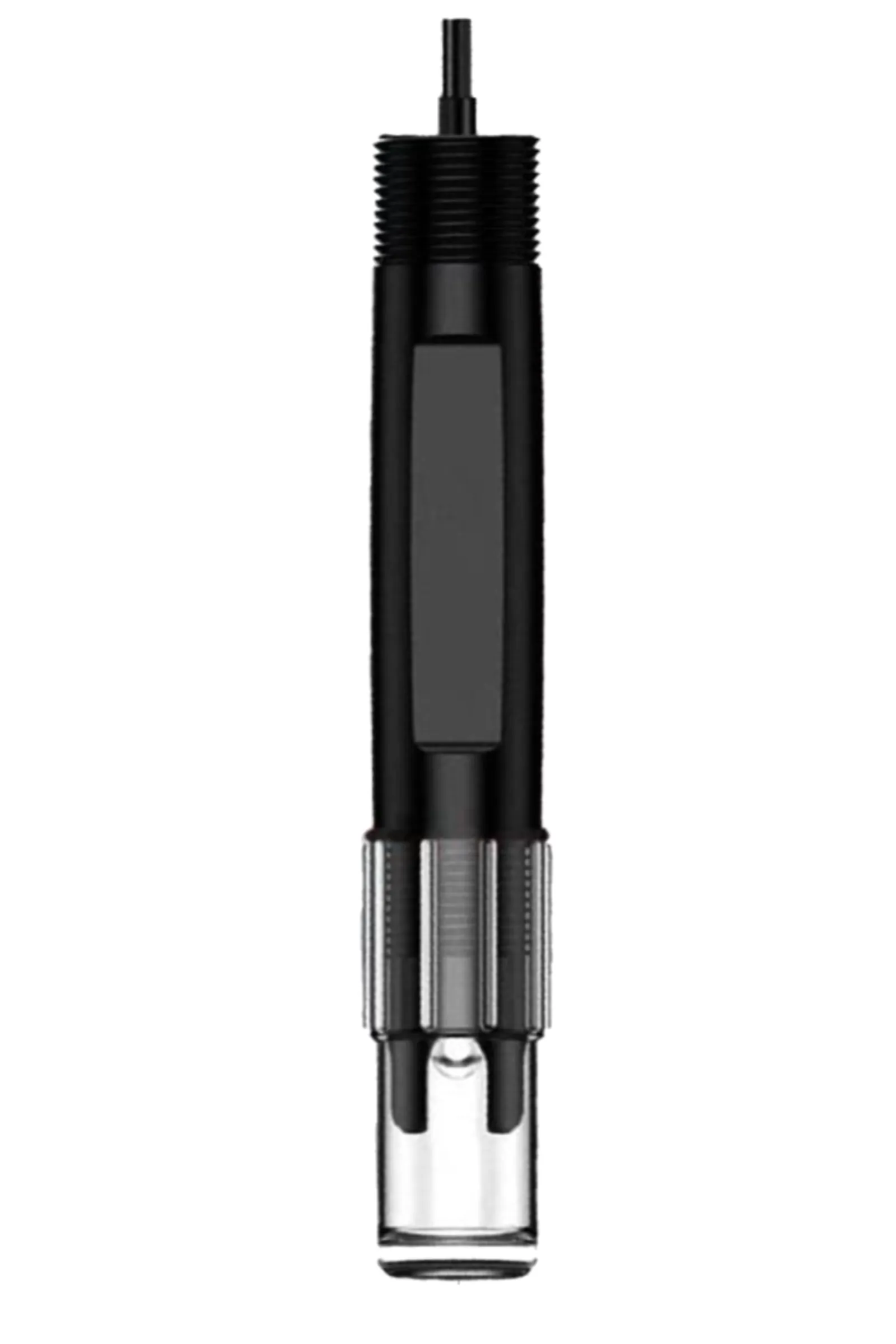
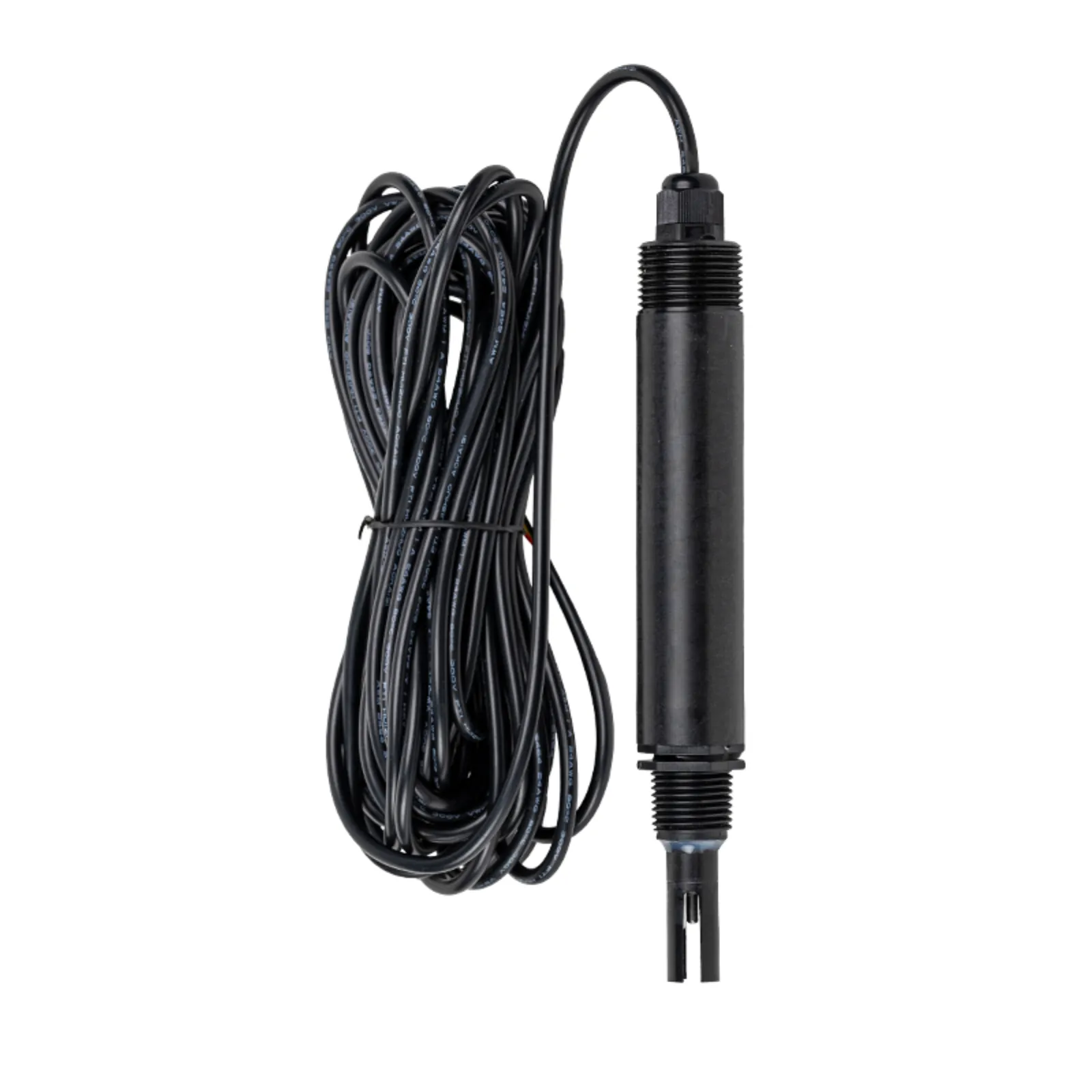
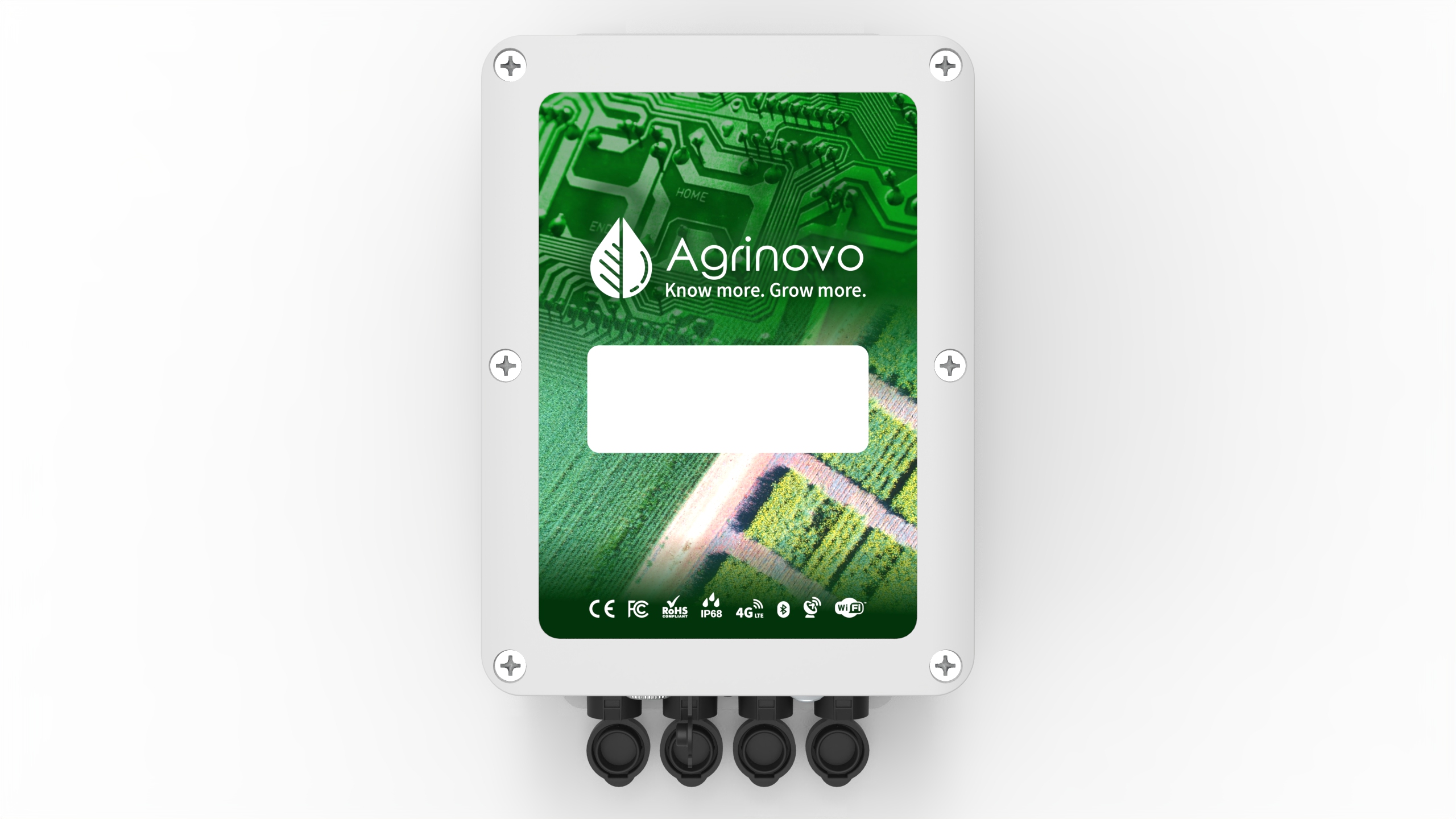
Every sensor below connects to the same controller. That is what makes a mixed site possible.
Questions about this deployment
Why is pH treated differently in a RAS than in a pond?
Who is consuming the dissolved oxygen?
What does EC tell you in a recirculating system?
Why does temperature sit alongside these three?
Why does a closed system need continuous measurement more than an open one?
Why one controller instead of separate instruments?
More deployments like this

Soil & Irrigation
Olive grove tensiometer network
A 35-dunam (3.5 hectare) olive grove in the Upper Galilee switches from calendar irrigation to tensiometer-driven scheduling and cuts water use without losing yield.
19% less water over the 2025 season
Greenhouse
Bell pepper soil tension
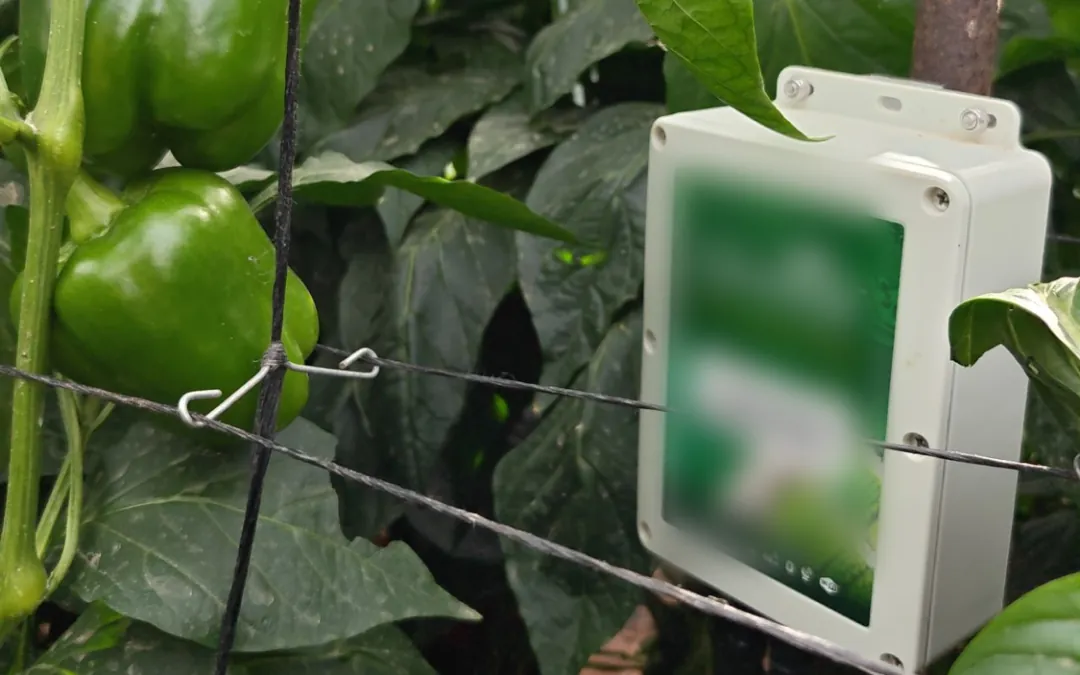
A bell pepper greenhouse adds soil water tension to a house that already manages climate closely, because peppers are sensitive to how consistently water arrives, not only to how much.
kPa the unit that matters
Soil & Irrigation
Cranberry frost monitoring
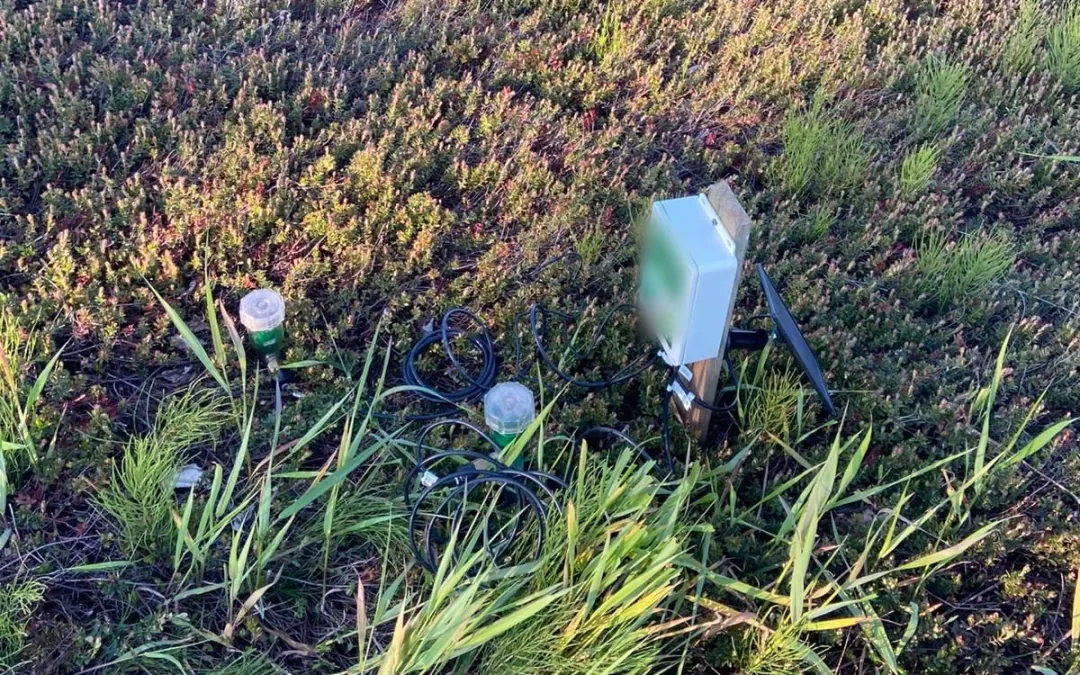
A cranberry grower in Canada puts air temperature, humidity and soil water tension on one solar-powered Omni Genesis station sitting in the bed, where the frost decision is actually made.
±0.3 °C temperature accuracy
Planning something similar?
Tell us what needs monitoring and we will scope a right-sized system with you.