Greenhouse
Hydroponic lettuce measured on four parameters, including the one most growers leave out
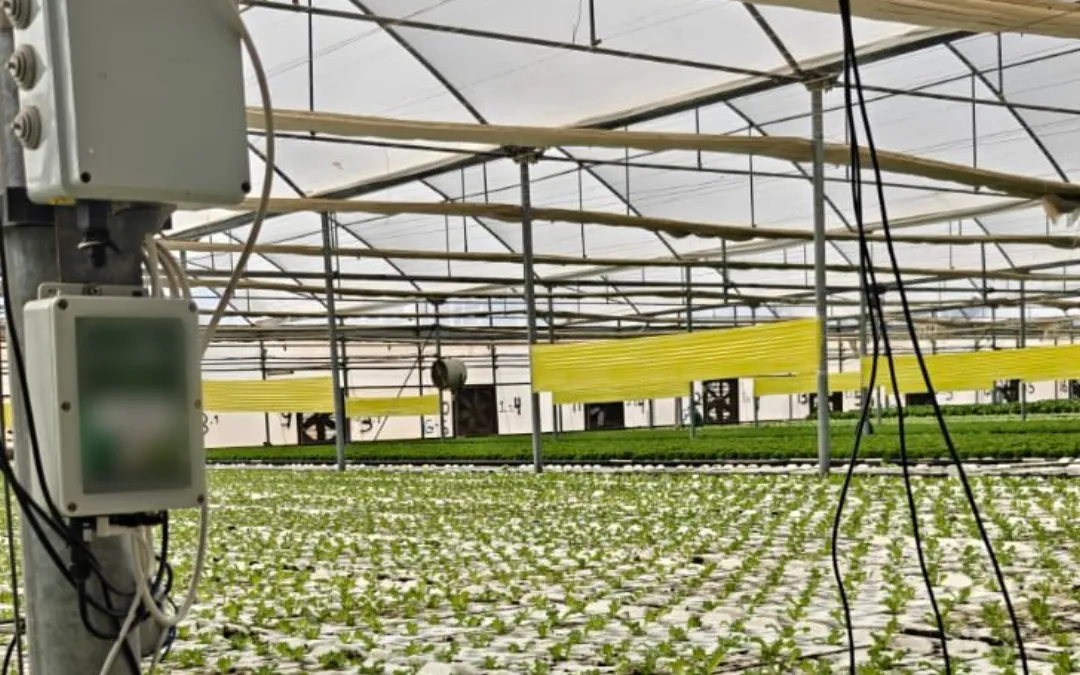
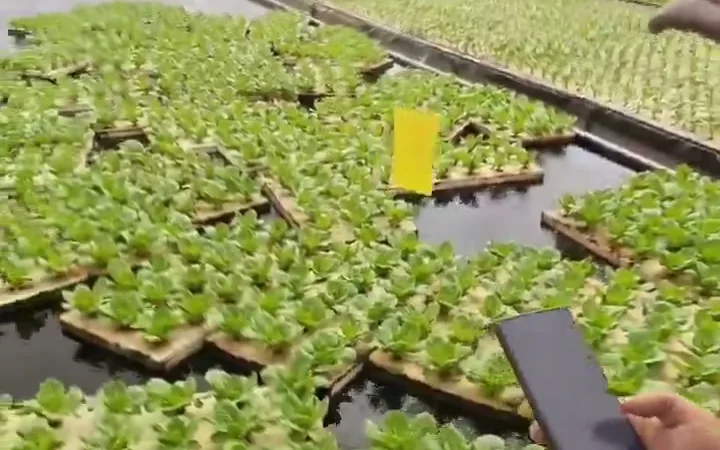
A commercial hydroponic lettuce operation monitors pH, EC, dissolved oxygen and temperature on one controller. Dissolved oxygen is the parameter most nutrient systems never measure, and the one that couples to temperature.
Results on site
- 4
- parameters, one controller
- 0
- separate temperature instruments
- DO
- the parameter usually missing
pH, EC, dissolved oxygen and temperature on the same RS485 bus
The EC and DO probes carry their own, which they need to compensate themselves
Most nutrient monitoring stops at EC and pH
- The challenge
- A hydroponic crop has no soil to buffer it, and the usual instrumentation stops at EC and pH. Dissolved oxygen, the parameter that governs whether roots can function at all, is normally not measured.
- What we installed
- pH, EC and dissolved oxygen probes on an Omni Genesis controller, with solution temperature arriving from the probes themselves rather than from a separate instrument.
- The result
- Four interlocking parameters are recorded continuously from one controller, including the temperature and dissolved oxygen pair that moves against the crop on exactly the days it matters.
The situation
Hydroponic lettuce has no soil, which is the point and also the exposure. In a field, the root zone is a large, slow reservoir that absorbs mistakes and gives the grower time. In a nutrient solution, the root zone is the solution. Whatever is true of it is immediately true for every plant it touches, and a run of boards can be a long way from the point where anybody last looked at it.
The standard instrumentation for that is EC and pH, and it is the right place to start. EC says how much dissolved salt is in the water, which is a good proxy for how strong the feed is. pH says whether the nutrients in it are actually available, because uptake is strongly pH-dependent and several elements become progressively harder for the plant to take up as pH climbs.
What that pair does not describe is whether the roots are in any condition to use what is on offer.
The parameter that is usually missing
Roots respire. In soil they do it using the air in the pore spaces; in hydroponics the only oxygen available to them is what is dissolved in the water, and that is a far smaller reservoir than most people picture. When it runs low, root function declines quietly, well before the canopy shows anything, and a poorly oxygenated root zone is also the exact condition in which root pathogens are most successful.
Dissolved oxygen is not usually measured in these systems. EC and pH are on every controller because they have been standard for decades and the probes are cheap. Oxygen is treated as something you design for once, with pumps and falls and aeration, and then assume.
Here it is measured, alongside the other two.
Why temperature belongs with it
The reason the fourth parameter matters is that it is not independent of the third.
Warm water holds less dissolved oxygen. That is physics and it does not negotiate. At the same time, warmth raises the metabolic rate of the roots, and of the microbial population living in the same water, so oxygen demand rises exactly as the water’s capacity to carry it falls. The supply curve and the demand curve move in opposite directions, driven by the same variable, on the same afternoon.
That is why a hot day is not simply a hot day in a hydroponic system, and why temperature and dissolved oxygen have to be readable against each other rather than living in two separate places. Seeing oxygen fall is useful. Seeing it fall as the solution warmed is a diagnosis.
What was installed
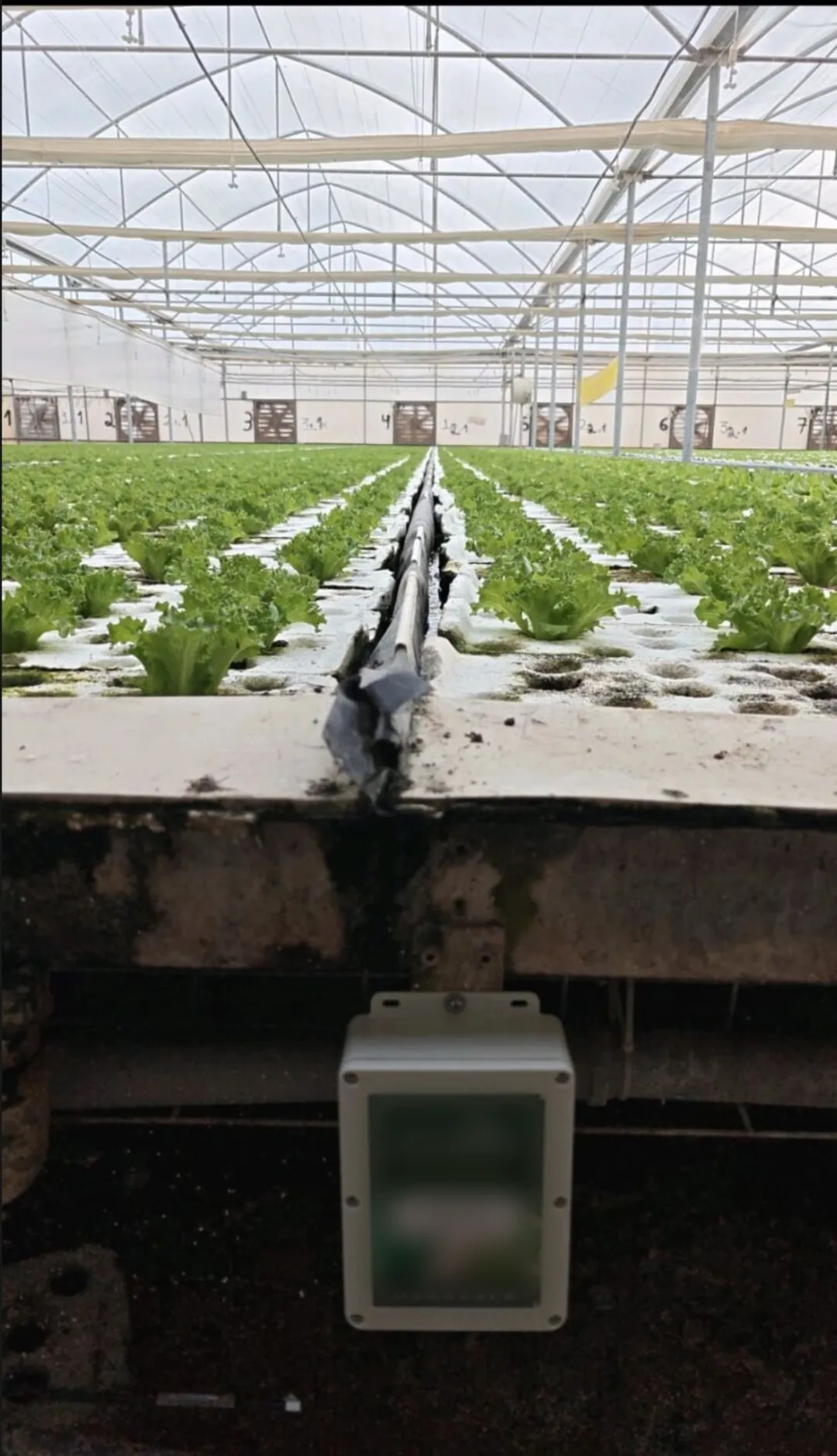
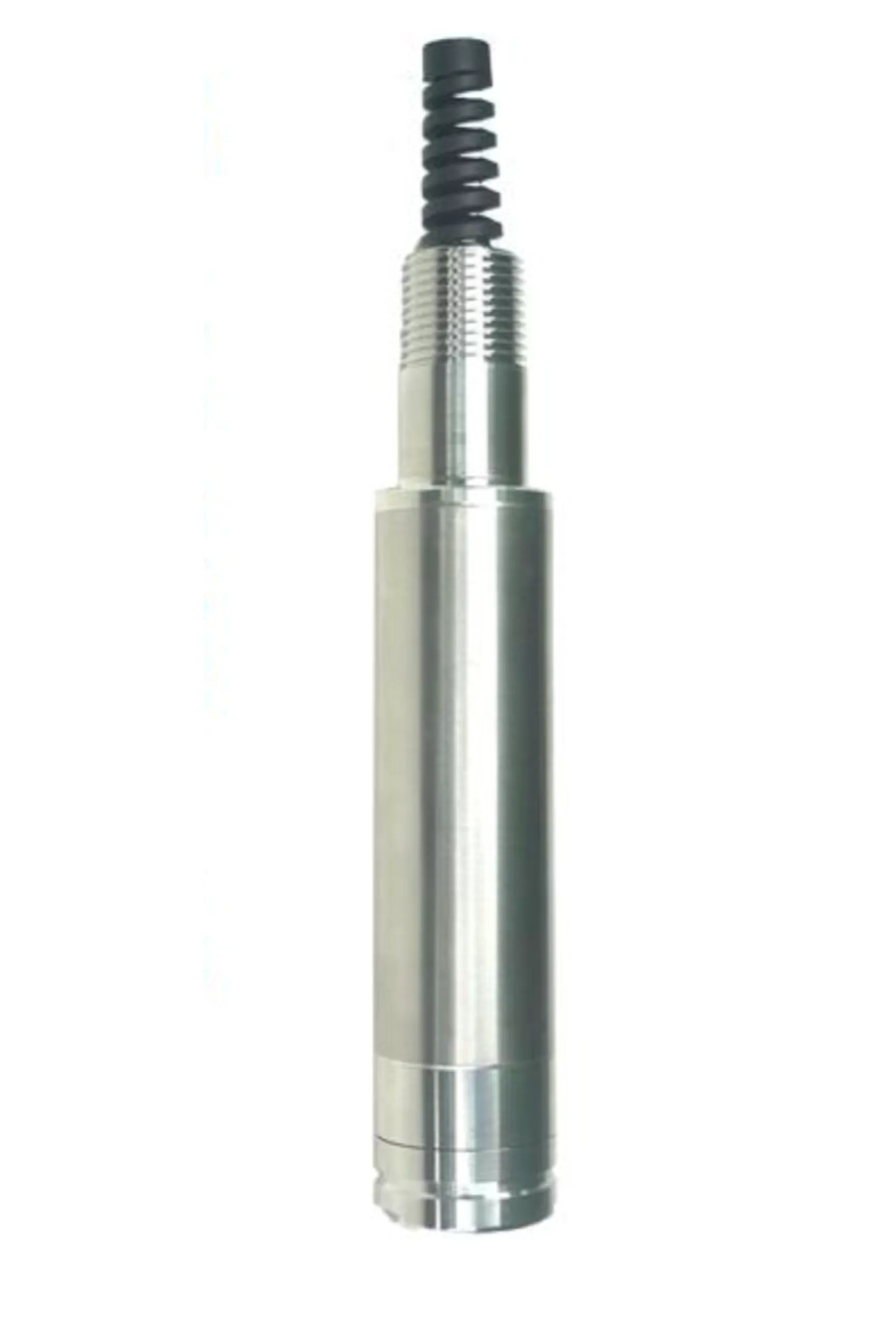
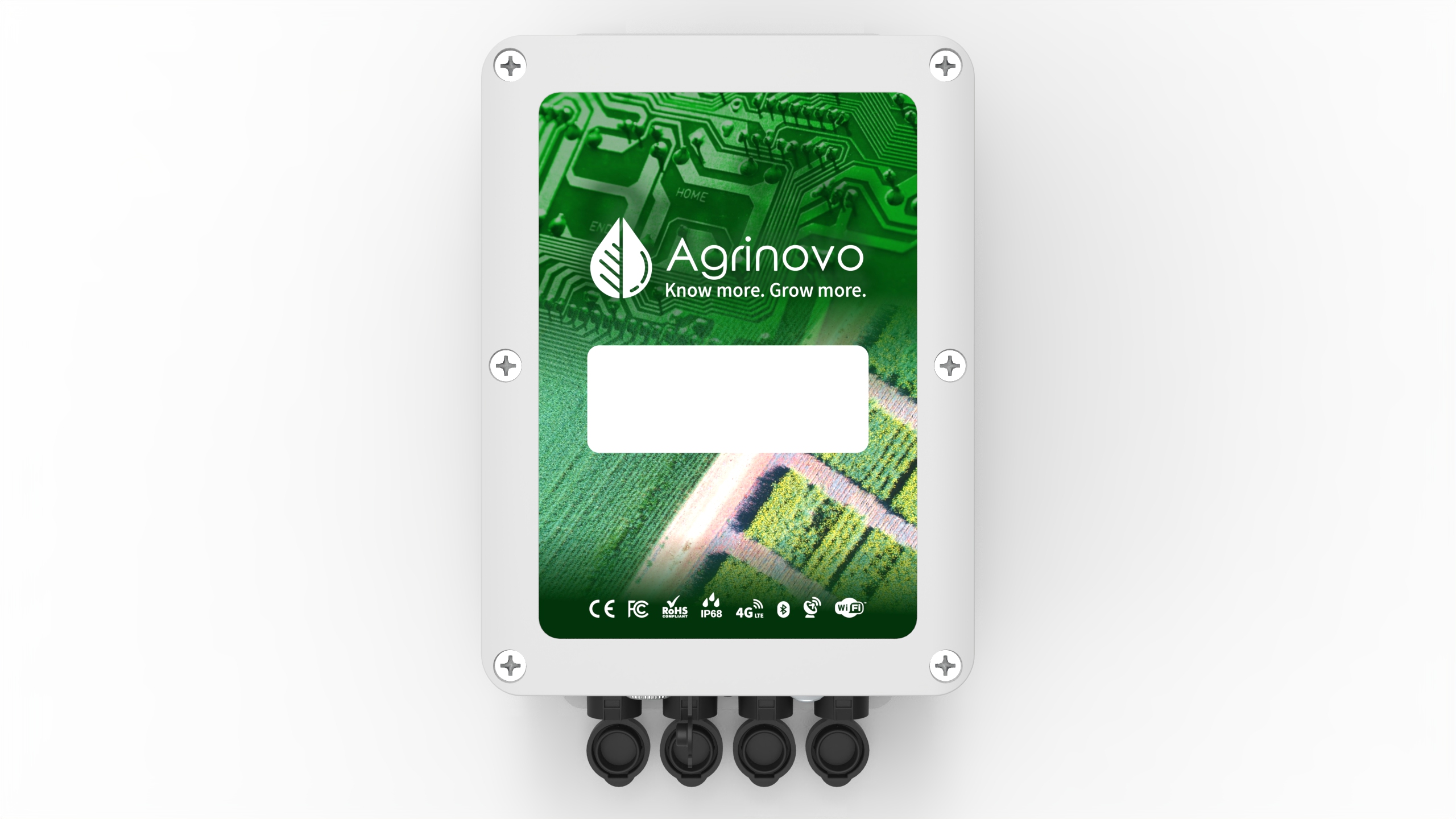
A pH, an EC and a dissolved oxygen probe, on an Omni Genesis controller at the bed.
All three are RS485 Modbus devices, so they share a bus, an enclosure, a power supply and a connection. Adding oxygen to a site that already measures EC and pH is a probe and a cable rather than a second system with its own login and its own screen, which is most of the reason it gets added at all.
Temperature is not a fourth instrument. Both the EC and the dissolved oxygen probes carry their own temperature element, because both measurements are temperature-dependent and have to compensate internally to be accurate. That measurement is real and it is reported with the rest, so solution temperature arrives as a consequence of measuring the other things properly rather than as another line on a quote.
Why it matters
The four readings share a controller, which means they share a clock, and that is what turns them from four numbers into one picture. Oxygen falling is an observation. Oxygen falling while the solution warmed, with EC and pH unchanged, is a specific and actionable thing that no single-parameter instrument could have told anyone.
It is also the clearest illustration of what a modular controller is for. Nothing about this installation is unusual: three probes and a box. The point is that the third probe was addable at all. On a closed system built around EC and pH, dissolved oxygen is a purchase decision about a whole new product. On a controller that takes any sensor on the bus, it is the difference between measuring what is conventional and measuring what actually limits the crop.
From the site
Hardware in this deployment
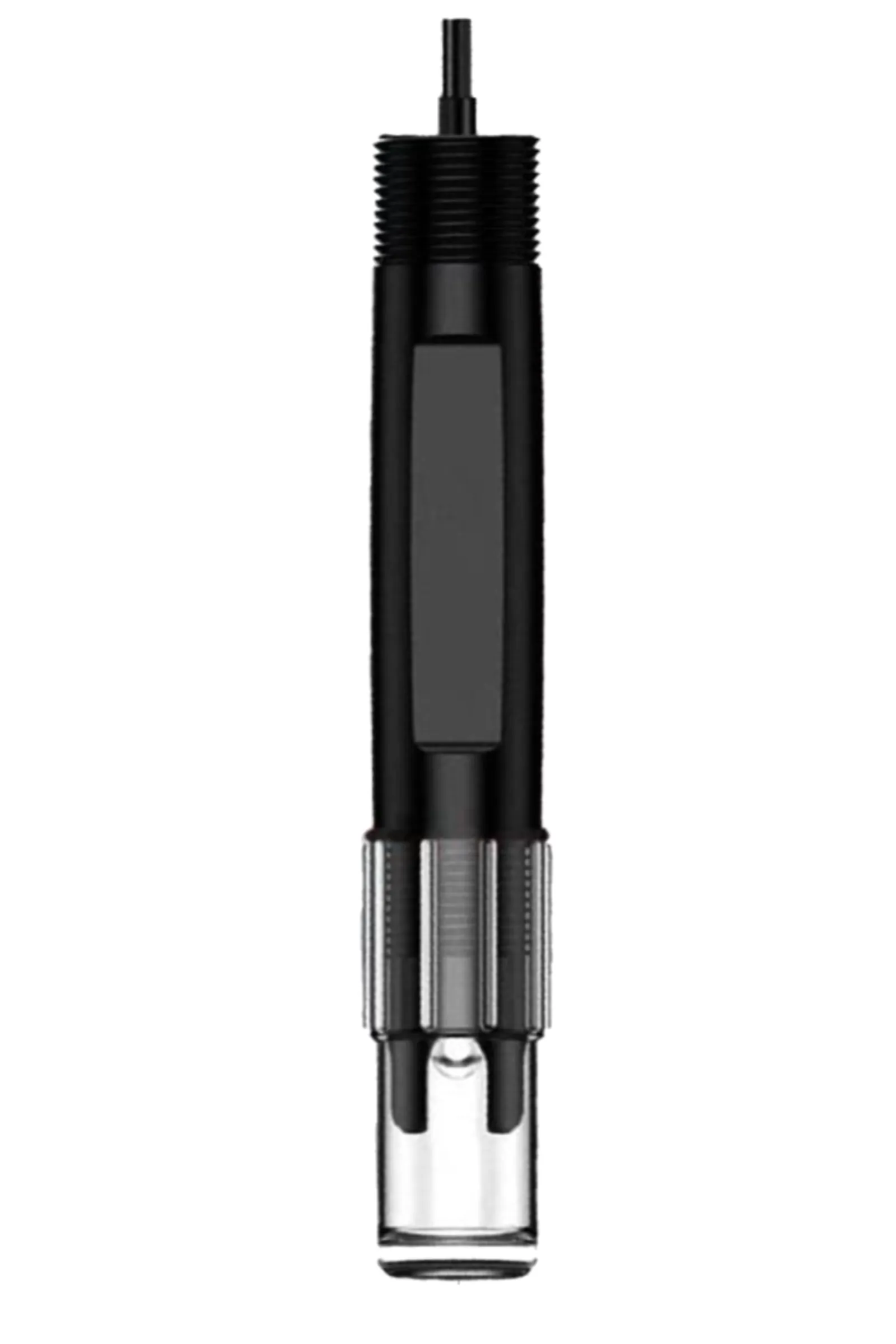
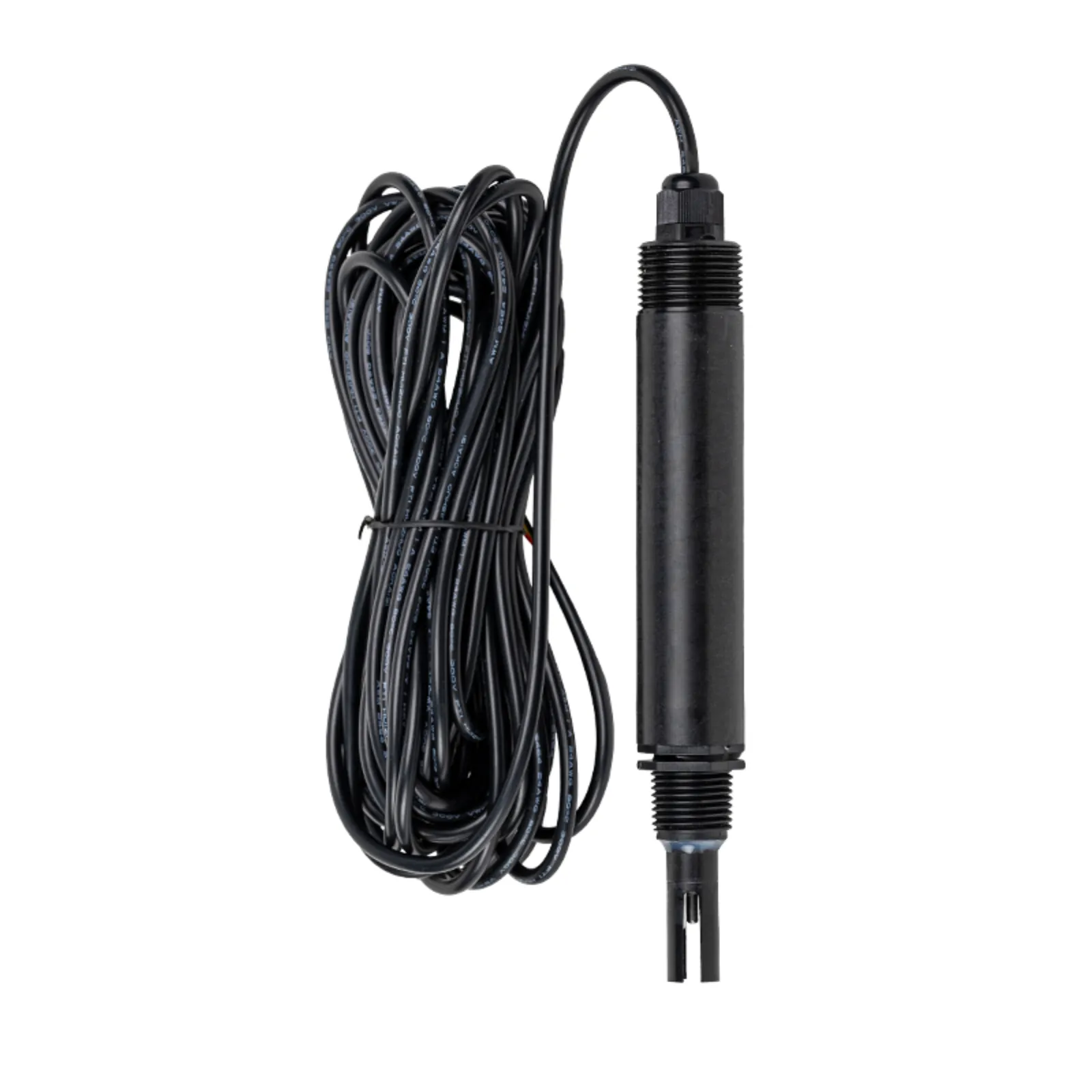
Every sensor below connects to the same controller. That is what makes a mixed site possible.
Questions about this deployment
Why measure dissolved oxygen in a hydroponic system at all?
Why does temperature matter so much for dissolved oxygen?
Are EC and pH not enough on their own?
Do you need a fourth sensor to get temperature?
Why put four probes on one controller instead of separate units?
Does this replace the grower's own checks?
More deployments like this
Greenhouse
Bell pepper soil tension
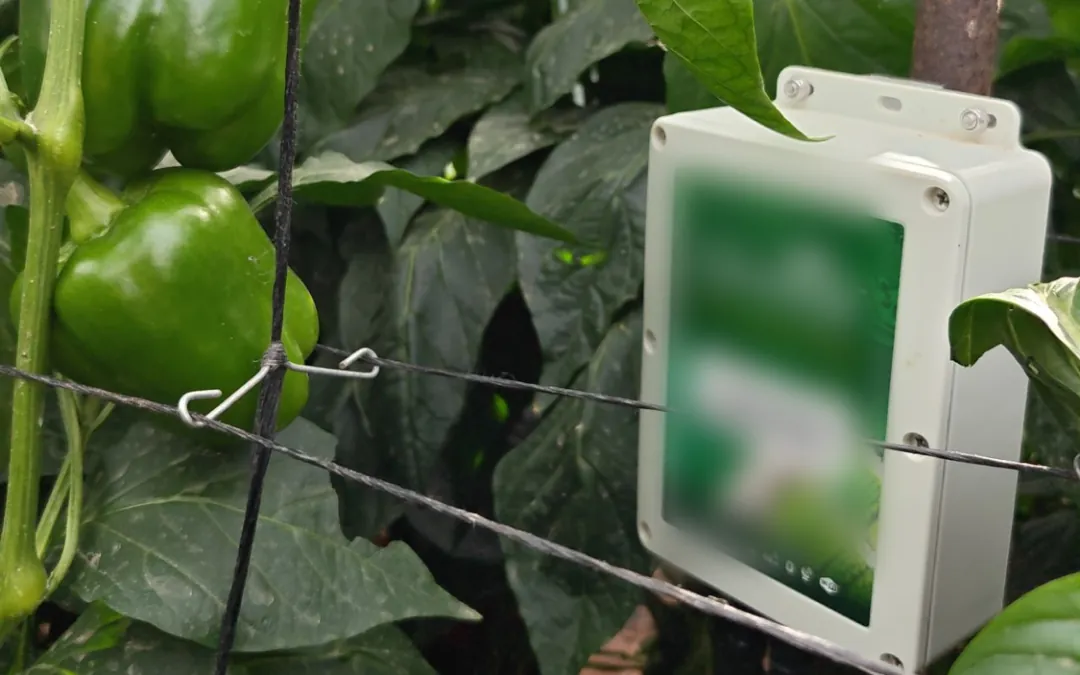
A bell pepper greenhouse adds soil water tension to a house that already manages climate closely, because peppers are sensitive to how consistently water arrives, not only to how much.
kPa the unit that matters
Greenhouse
Flower farm chiller fault
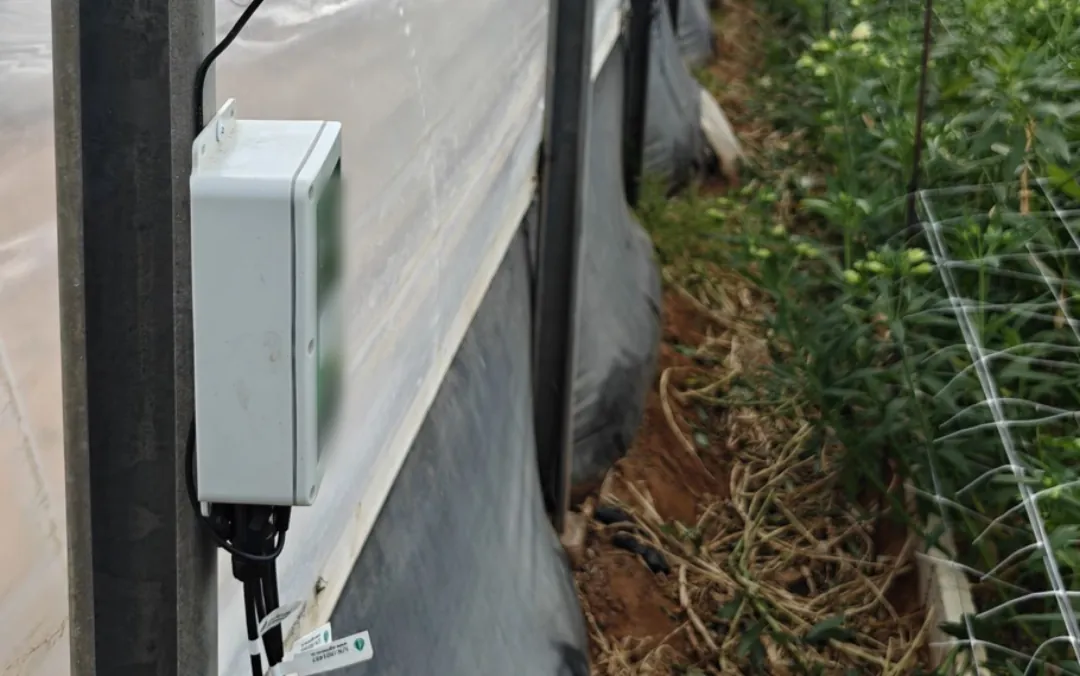
A cut flower grower chills its irrigation water. Instrumenting both systems in the root zone rather than at the chillers showed which of the two units was failing, in time to repair it.
2 systems instrumented identically
Greenhouse
Hydroponic EC spot checks
A hydroponics greenhouse measures EC in its nutrient channels with an EC-100 probe on a phone, so every spot check is recorded, located and attributed.
1 probe covers the whole house
Planning something similar?
Tell us what needs monitoring and we will scope a right-sized system with you.