Greenhouse
Two irrigation systems, two chillers, and the soil temperature that showed which one had failed
A cut flower grower chills its irrigation water. Instrumenting both systems in the root zone rather than at the chillers showed which of the two units was failing, in time to repair it.
Results on site
- 2
- systems instrumented identically
- 0
- sensors on the chillers
- Repaired
- before the crop was affected
The comparison between them is what located the fault
The failure was found from its effect in the root zone instead
As reported by the grower
- The challenge
- Irrigation water is chilled before it reaches the crop, and nothing measured whether it was still cold when it arrived. With two systems running side by side, a chiller losing performance looked the same as the weather.
- What we installed
- Each system instrumented identically in its own beds: a tensiometer for soil water tension and a temperature and humidity sensor in the root zone, both on an Omni Genesis controller.
- The result
- The two systems stopped reading alike, which identified the failing chiller rather than just reporting that something was warm. The grower repaired it before the crop was affected.
The situation
This grower cools its irrigation water before it reaches the crop. Cut flowers are sold on stem quality and uniformity, and the temperature of the root zone is part of how that is produced rather than a variable left to the season, so chillers bring the water to temperature on the way to the beds.
There are two irrigation systems on the site, each with its own chiller, each feeding its own beds. That arrangement is normal and sensible. It also creates a blind spot, because nothing in it reports whether the water is still at temperature when it arrives at the plant. The chillers know whether they are running. They do not know what the roots got.
That distinction matters more than it sounds. A chiller that has failed outright announces itself. A chiller that is slowly losing capacity does not: it runs, it reports normally, and the water leaving it is a little warmer every week. In a greenhouse in warm weather, the resulting drift in the beds looks exactly like the weather, which is the most available explanation and the wrong one.
What was installed
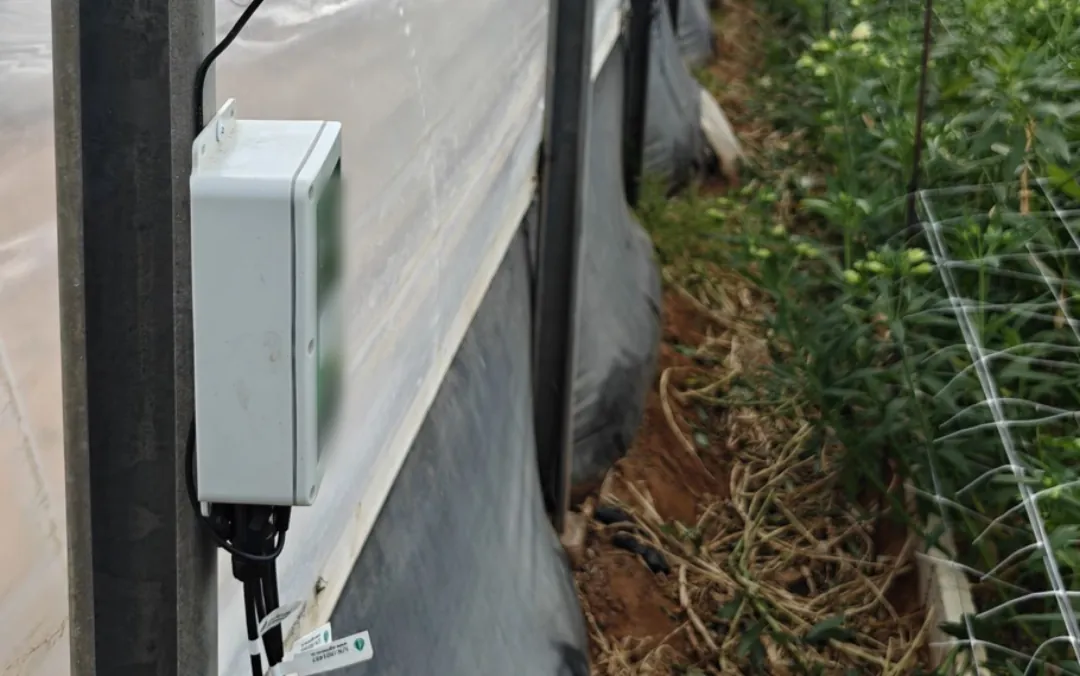
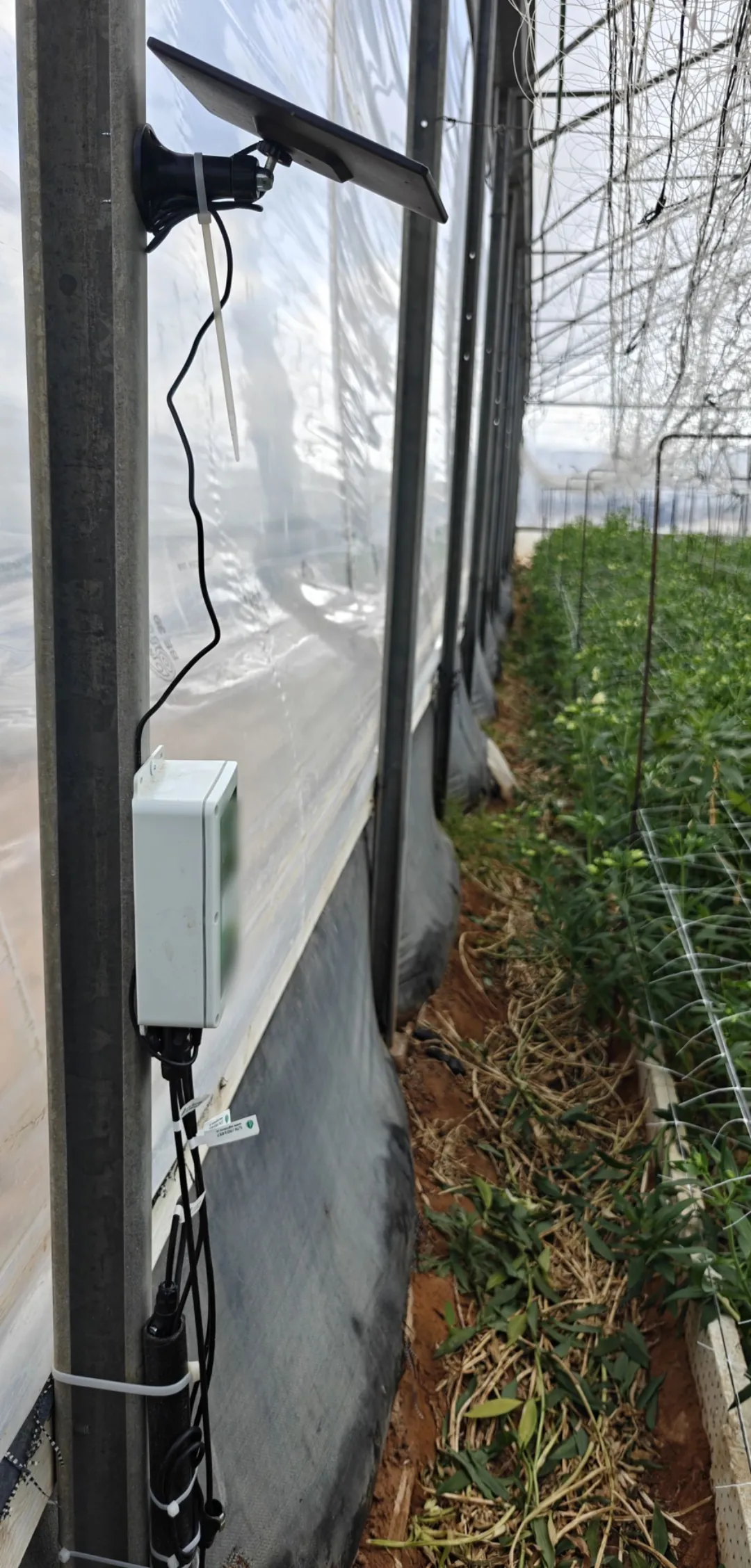
Each system was instrumented in its own beds, identically: a tensiometer reading soil water tension, and a temperature and humidity sensor in the root zone, both wired to an Omni Genesis controller on the greenhouse upright. A small solar panel above it powers the station and reporting is cellular, so the sensors could go where the crop is rather than where power happened to be.
Nothing was attached to the chillers. That was the point.
Why the pair is the instrument
The useful measurement here is not the temperature of either system. It is the difference between them.
A single reading in a single bed is weak evidence. Warm soil in July has too many possible causes to act on: the weather, the time of day, a sensor drifting, an irrigation that did not run. Any of those explains it, and a grower who has run this house for years will reach for the weather first, correctly, most of the time.
Two systems in the same greenhouse, under the same sun, on the same day, should move together. When they stop moving together, every shared explanation is eliminated at once. The weather is shared. The season is shared. The house is shared. What is not shared is the chiller, and that is where the difference has to come from.
This is why the second station was worth installing even though it measures the same quantity as the first. It is not redundancy. The comparison is the instrument.
What the tensiometer is for
The temperature sensors would have found a divergence. The tensiometers are what made it interpretable.
The obvious alternative explanation for one system’s root zone running warmer is that it did not get watered: dry soil heats faster and holds heat differently, so a blocked line or a failed valve produces a similar signature. Soil water tension settles that immediately. Once the record shows that irrigation arrived normally in both systems and the temperatures still parted company, the water itself is what differs, and the chiller is the only thing that sets it.
The grower found the failing unit and repaired it before the crop was affected.
Why it matters
The generalisable part is not about flowers or chillers. It is that you can often measure a machine most reliably by not measuring the machine.
Equipment telemetry reports intent: the pump says it is pumping, the chiller says it is chilling, the dosing unit says it dosed. Each of those is true and none of them describes what reached the plant. A sensor in the root zone is downstream of every failure in the chain, including the ones nobody thought to instrument, and it costs one station instead of a monitoring point on each piece of plant.
And where a farm already runs two of something, instrument both. The second station rarely feels justified, because it measures nothing the first one does not. What it adds is a control: a reading that should agree, and whose disagreement is a fact rather than an interpretation.
From the site
Hardware in this deployment
Every sensor below connects to the same controller. That is what makes a mixed site possible.
controllers
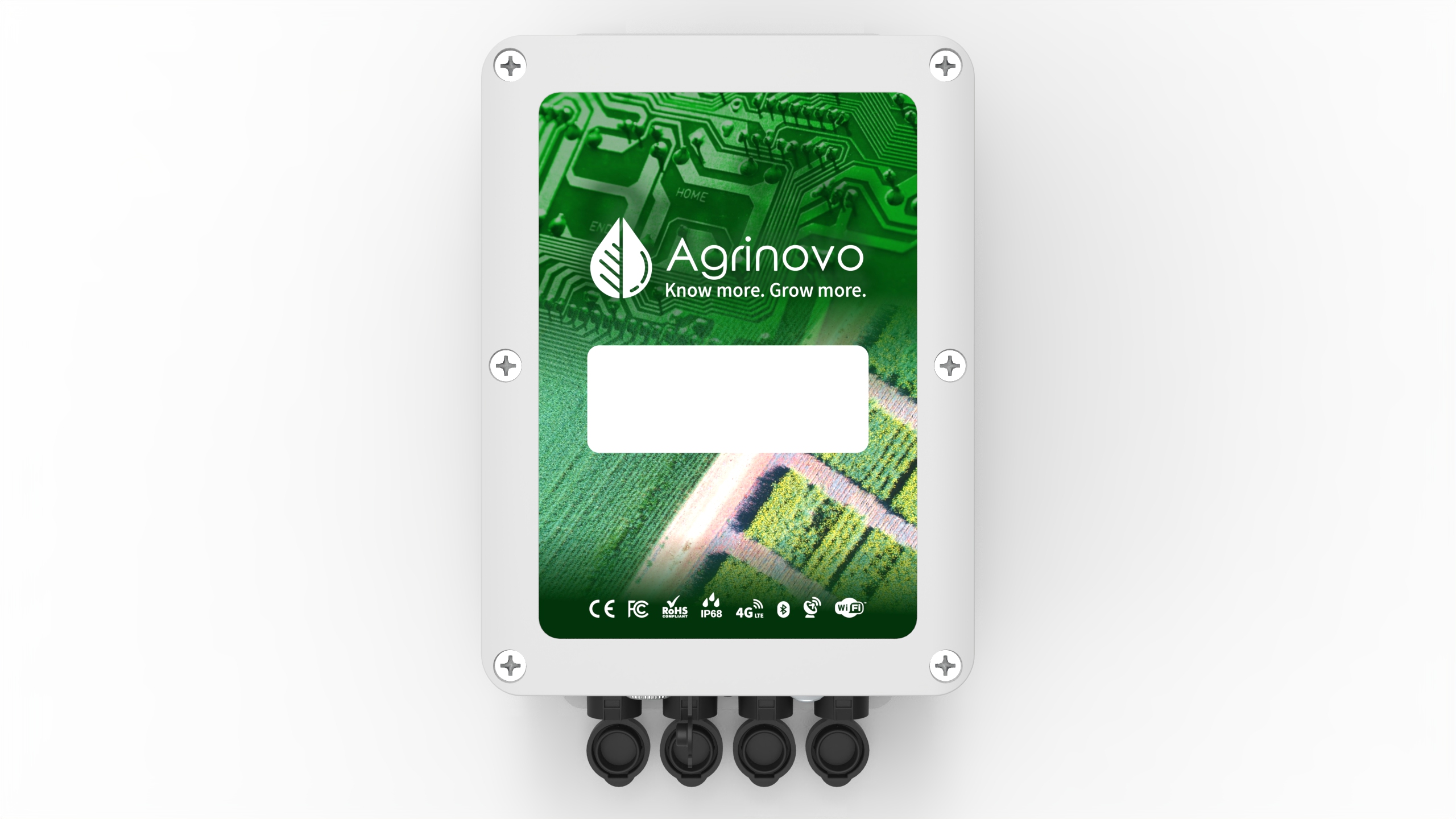
Omni Genesis IoT Controller - 4-Port, Solar, IP65
environmental
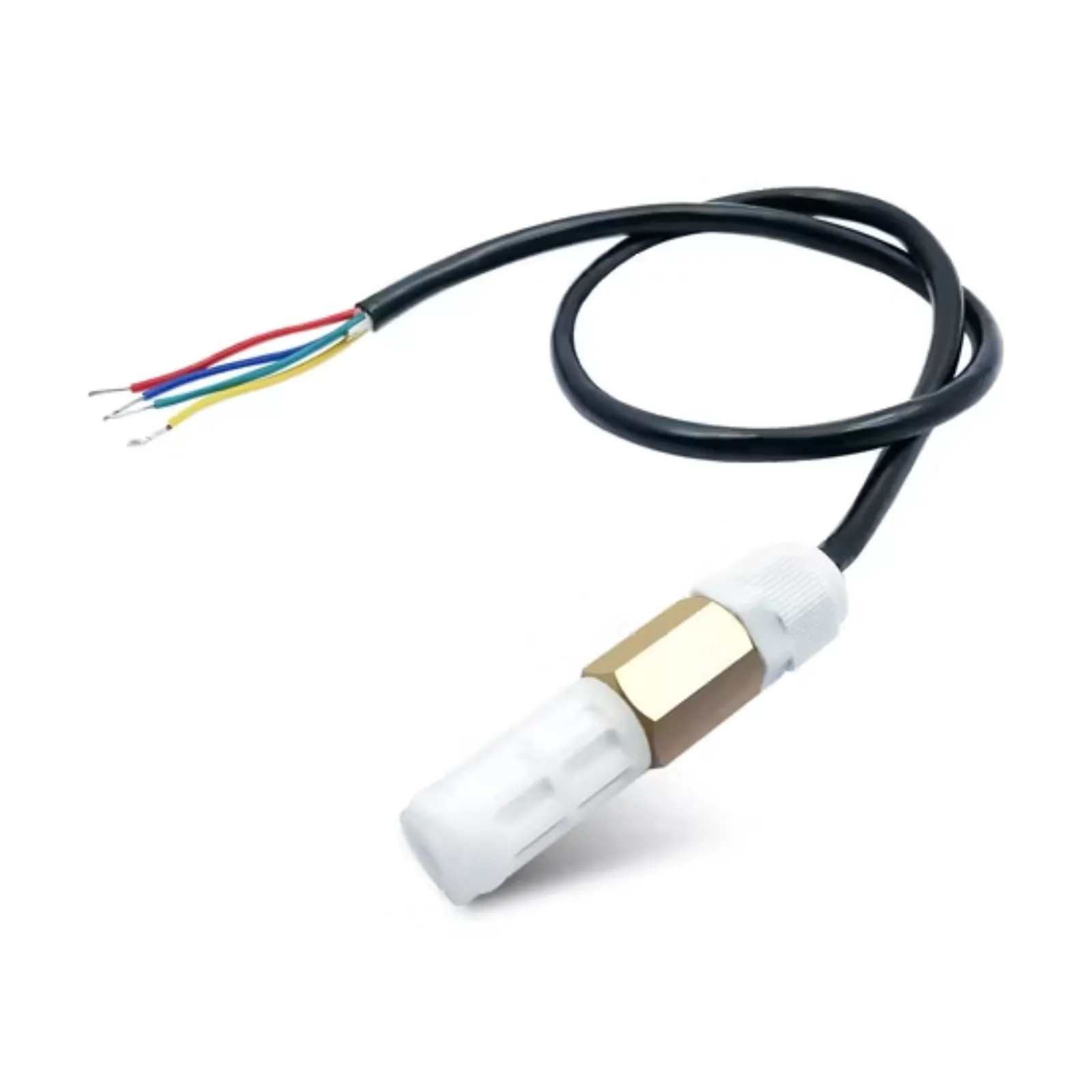
SHT30 Temperature & Humidity Sensor
Soil water tension
Irrometer tensiometers
Questions about this deployment
Why would a flower grower chill the irrigation water?
Why measure in the soil instead of putting a sensor on the chiller?
Why does having two systems make the fault findable?
What does the tensiometer add that temperature alone does not?
Could you not just alarm on the chiller directly?
How is the station powered in a greenhouse?
More deployments like this
Greenhouse
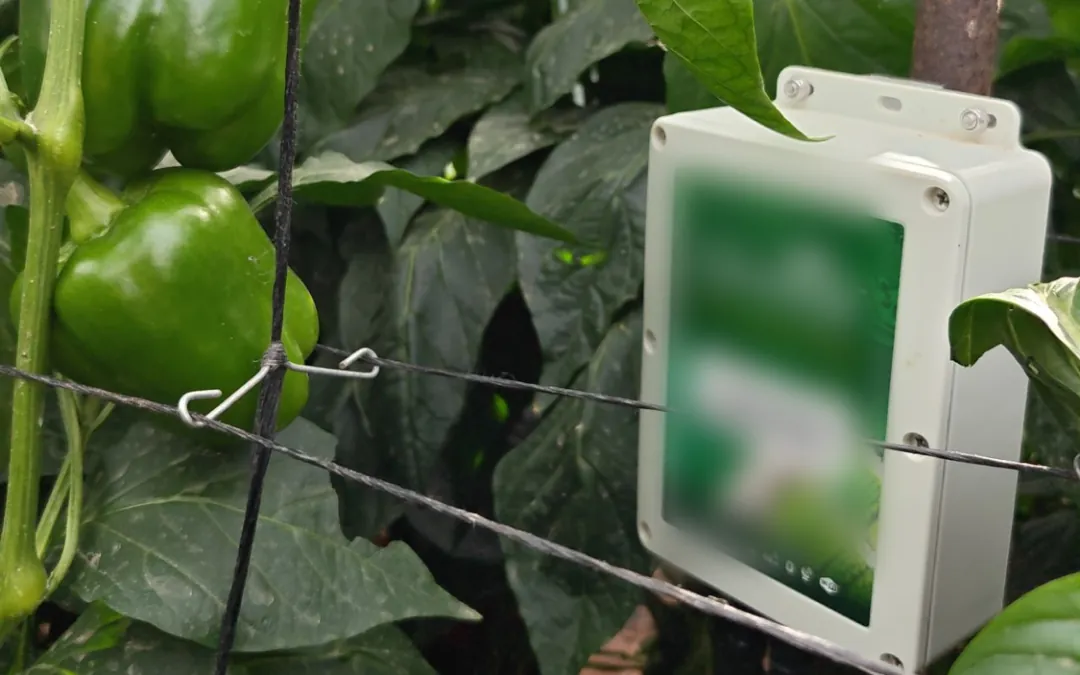
Bell pepper soil tension
A bell pepper greenhouse adds soil water tension to a house that already manages climate closely, because peppers are sensitive to how consistently water arrives, not only to how much.
kPa the unit that matters
Greenhouse
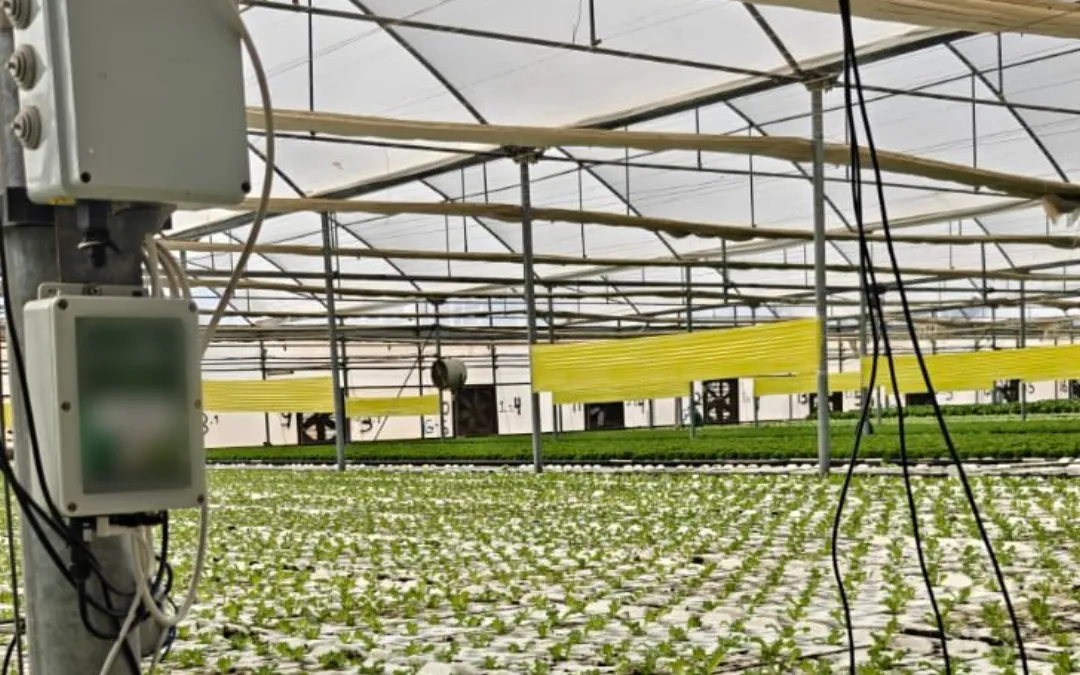
Hydroponic lettuce monitoring
A commercial hydroponic lettuce operation monitors pH, EC, dissolved oxygen and temperature on one controller. Dissolved oxygen is the parameter most nutrient systems never measure, and the one that couples to temperature.
4 parameters, one controller
Greenhouse
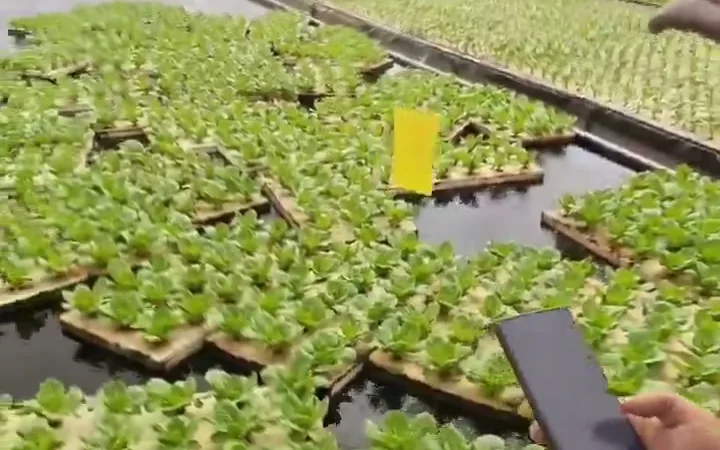
Hydroponic EC spot checks
A hydroponics greenhouse measures EC in its nutrient channels with an EC-100 probe on a phone, so every spot check is recorded, located and attributed.
1 probe covers the whole house
Planning something similar?
Tell us what needs monitoring and we will scope a right-sized system with you.