Wine & Fermentation
Wine fermentation monitoring in an ancient rock-cut winepress
A research team instruments an excavated rock-cut winepress with density, dissolved oxygen and temperature sensors to follow fermentation minute by minute.
Results on site
- 2 vats
- instrumented independently
- ~1.2 min
- between readings
- 1 bus
- per controller
One controller and its own instrument set per vat
Controllers held permanently awake instead of running a deep-sleep cycle
Density meter and dissolved oxygen probes share a single RS485 Modbus line
- The challenge
- Fermentation of ancient grape varieties runs in an excavated rock-cut winepress, outside any winery infrastructure, and the research needs the process recorded continuously rather than sampled by hand.
- What we installed
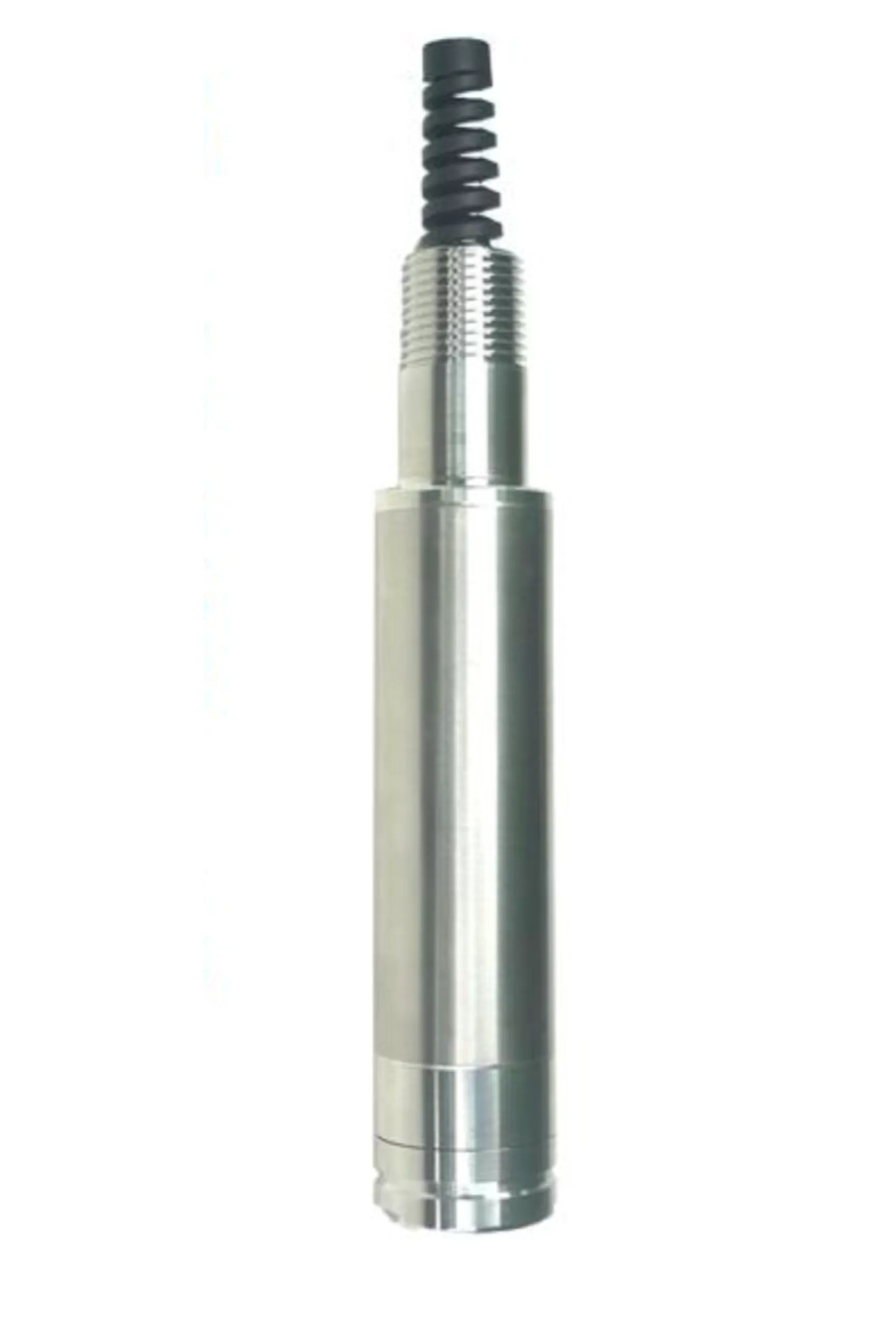
- Two Omni Exodus controllers, each carrying a DEN-100 tuning fork density meter and DO-100 dissolved oxygen probes on a single RS485 Modbus bus, kept permanently awake.
- The result
- Density, dissolved oxygen and temperature are recorded continuously in both vats through the vintage now fermenting.
The situation
A research team is studying ancient grape varieties, the ones that made the wines of the region thousands of years ago and then largely disappeared from cultivation. Part of that work is not analytical chemistry on the finished wine but observation of the process itself: how these varieties actually behave while they ferment.
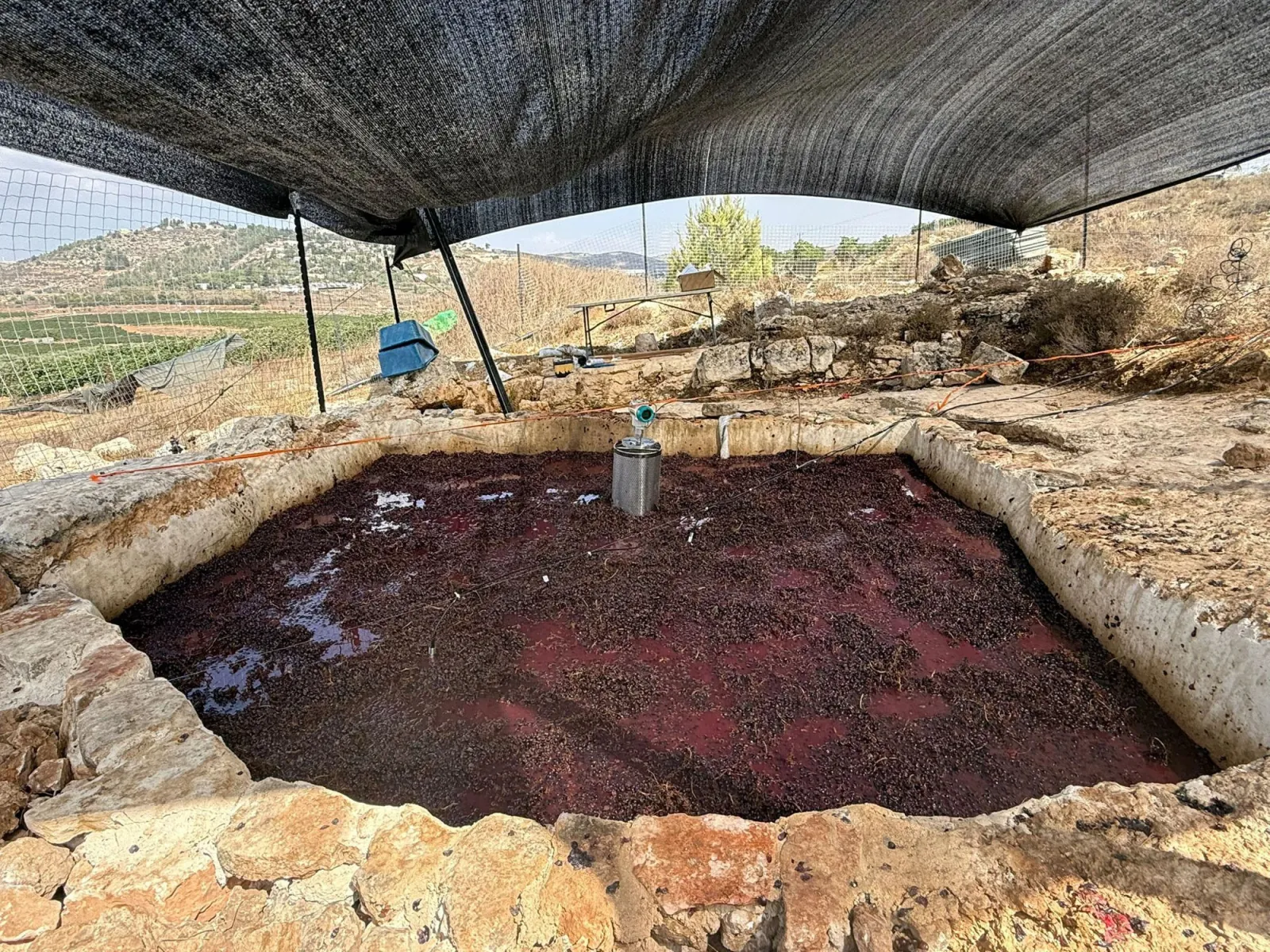
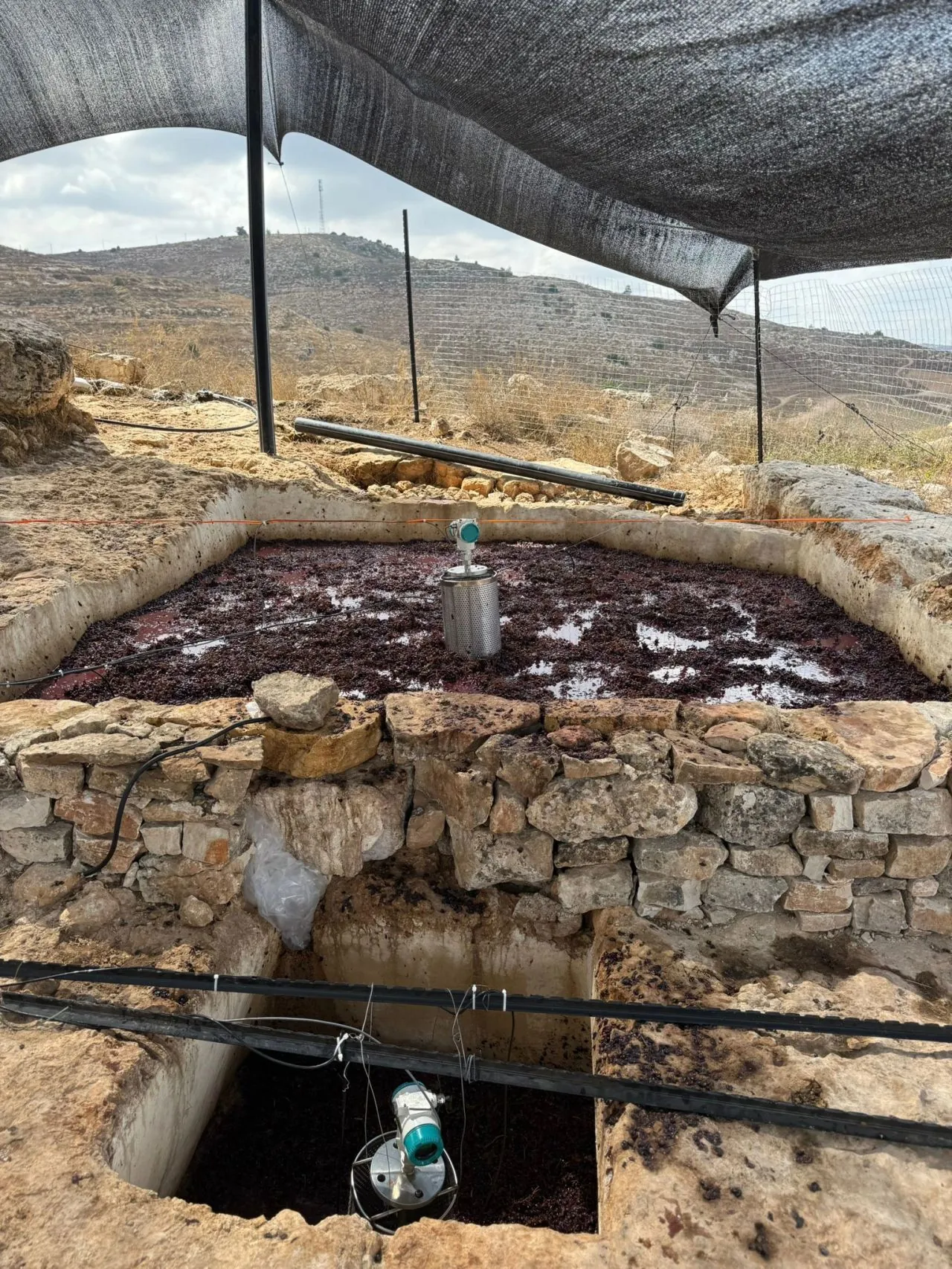
The fermentation runs where it would have run originally, in an excavated rock-cut winepress. Grapes go onto a plastered stone treading floor that drains into a lower collection vat, the whole thing open to the air under shade netting, on a hillside with no winery building, no cellar and no process instrumentation of any kind. Following a fermentation there had meant going to the site and taking a sample.
What was installed
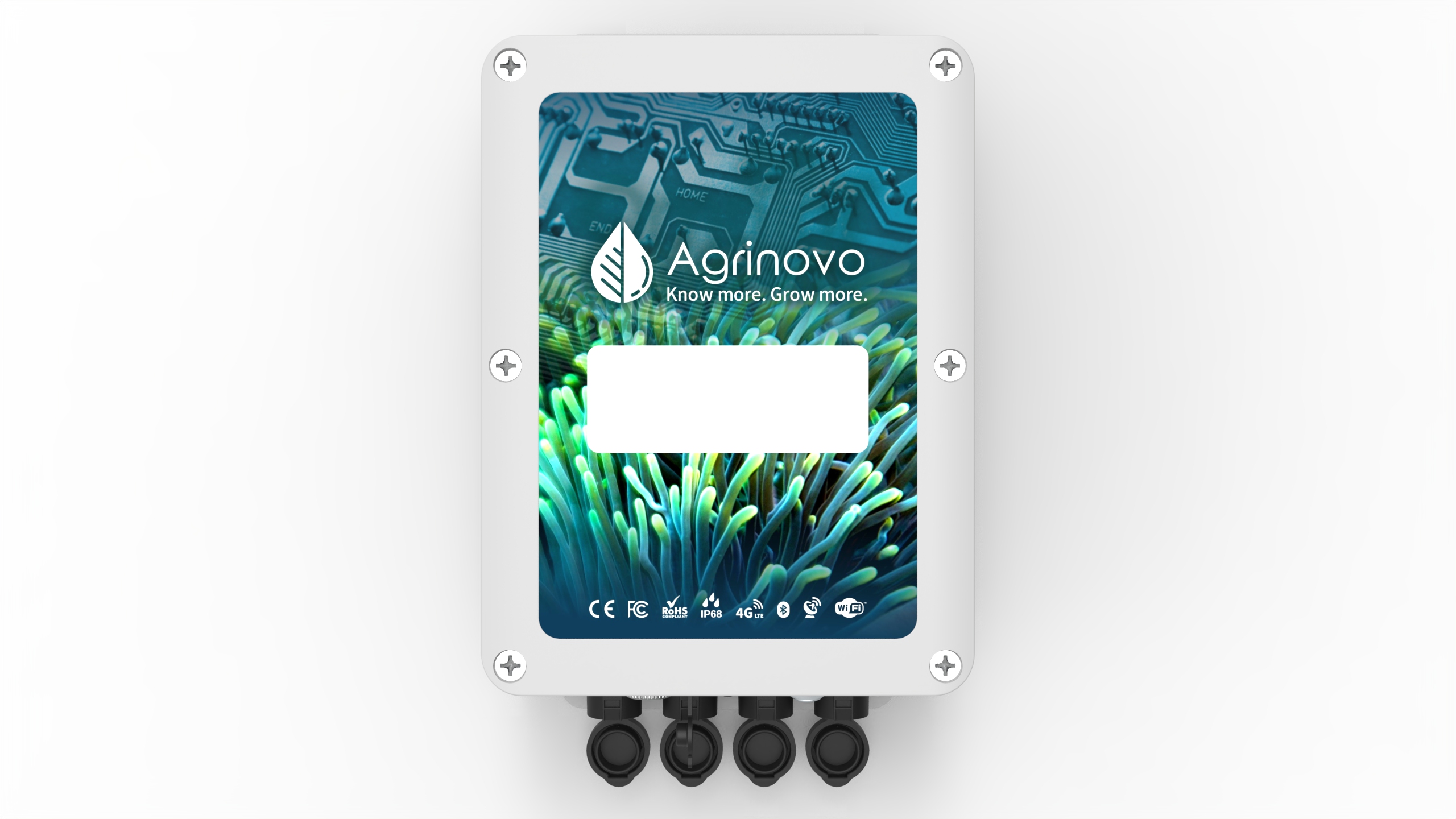
Each vat carries its own Omni Exodus controller. On a single RS485 Modbus bus, each controller reads a DEN-100 tuning fork density meter and DO-100 fluorescent dissolved oxygen probes. Temperature comes twice over, from the density meter’s integrated PT100 and from the dissolved oxygen probes, which is useful in a vessel this exposed. Both controllers stream to OmniCloud.
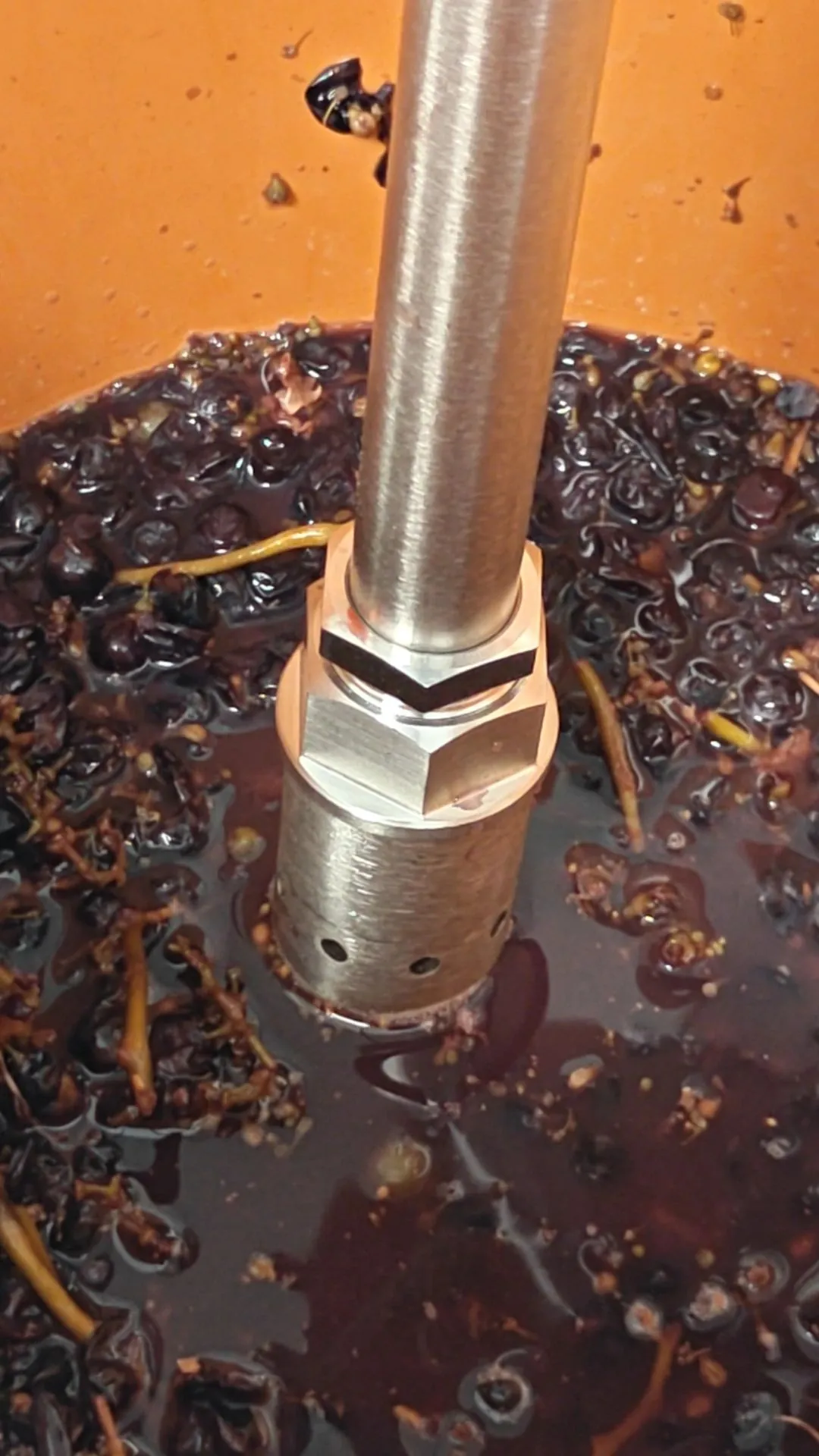
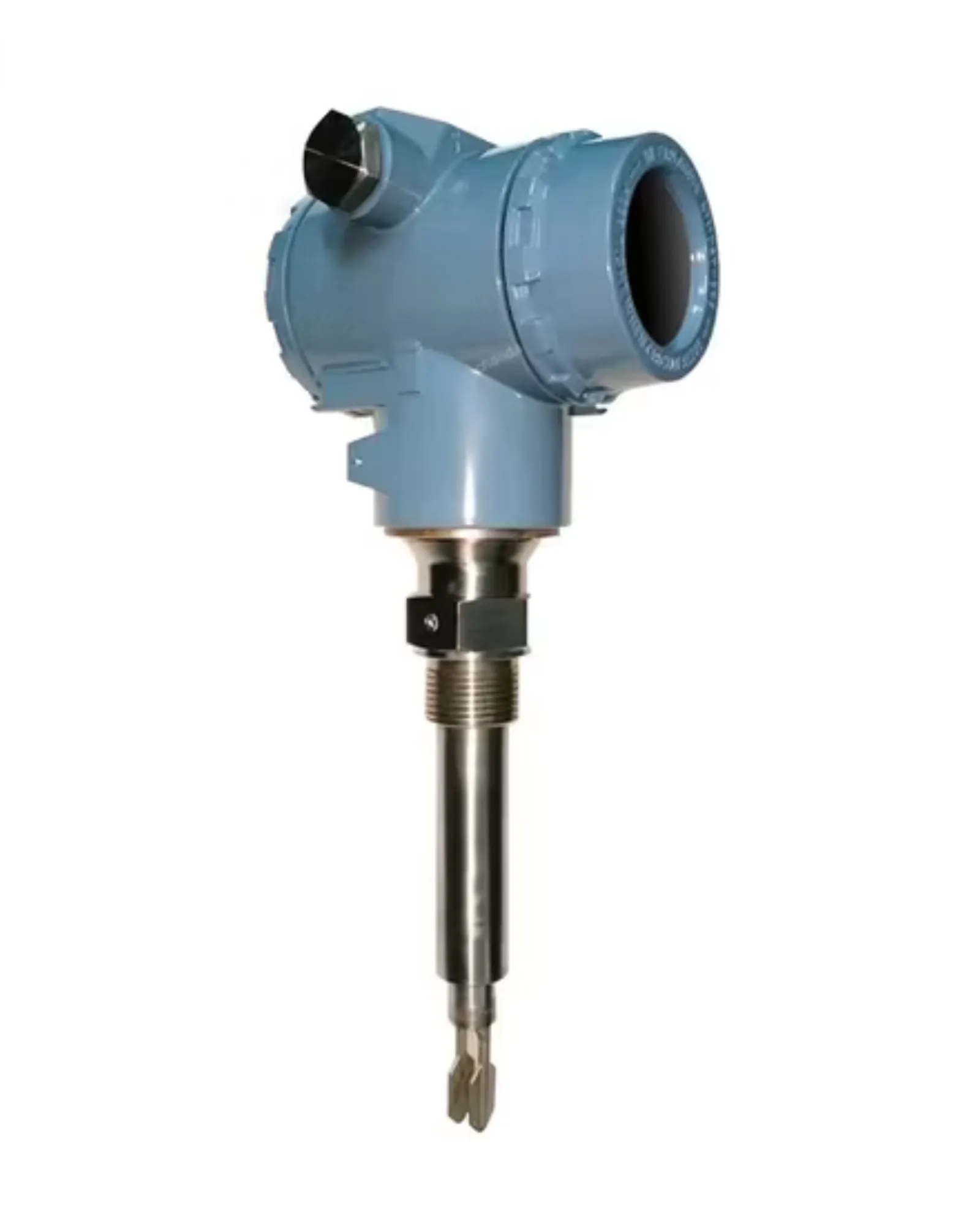
The density meter is the centre of the installation. It works by driving a metal tuning fork at its free oscillation frequency; the frequency shifts with the density of the liquid touching the tines. There is nothing to wear out, no optical window to clean and no membrane to rupture, which matters in a medium full of skins, stems and pulp. It sits in the must behind a perforated stainless guard.
Both controllers were configured differently from a normal Agrinovo field deployment. Soil and irrigation installations run a deep-sleep cycle and wake periodically to save battery, because soil moisture does not change in minutes. A fermentation does. Here the controllers stay permanently awake with the sensor power rail held on, and a full reading set arrives roughly every 1.2 minutes.
How it runs
Each meter was checked against water before it went into the vat, so the record starts from a known reference. From the moment the must was loaded, both vats have been logging density, dissolved oxygen and temperature continuously, with temperature arriving independently from the density meter’s PT100 and from the dissolved oxygen probes as a cross-check.
The vintage is still in the vat and the study is in progress. The measurements themselves belong to the research team and are not published here.
Why it matters
Nothing in this installation was built for winemaking. The density meter is the same process instrument used for brine and concentration control, the DO-100 is the same fluorescent probe that goes into fish ponds, and the controller is the same unit deployed on farms. They work together here because any sensor can connect to any controller over the same bus, so an application nobody had planned for becomes a matter of choosing instruments and configuring ports.
That is the practical case for modular hardware. A closed system covers the applications its vendor anticipated. A research team measuring a two-thousand-year-old process in a stone vat on a hillside is not one of them.
From the site
Hardware in this deployment
Every sensor below connects to the same controller. That is what makes a mixed site possible.
Questions about this deployment
What does a density meter tell you during wine fermentation?
Why measure dissolved oxygen in a fermenting vat?
Can this equipment run outside a winery building?
How often does the system take a reading?
Could the same density meter be used in a commercial winery?
More deployments like this
Greenhouse
Bell pepper soil tension
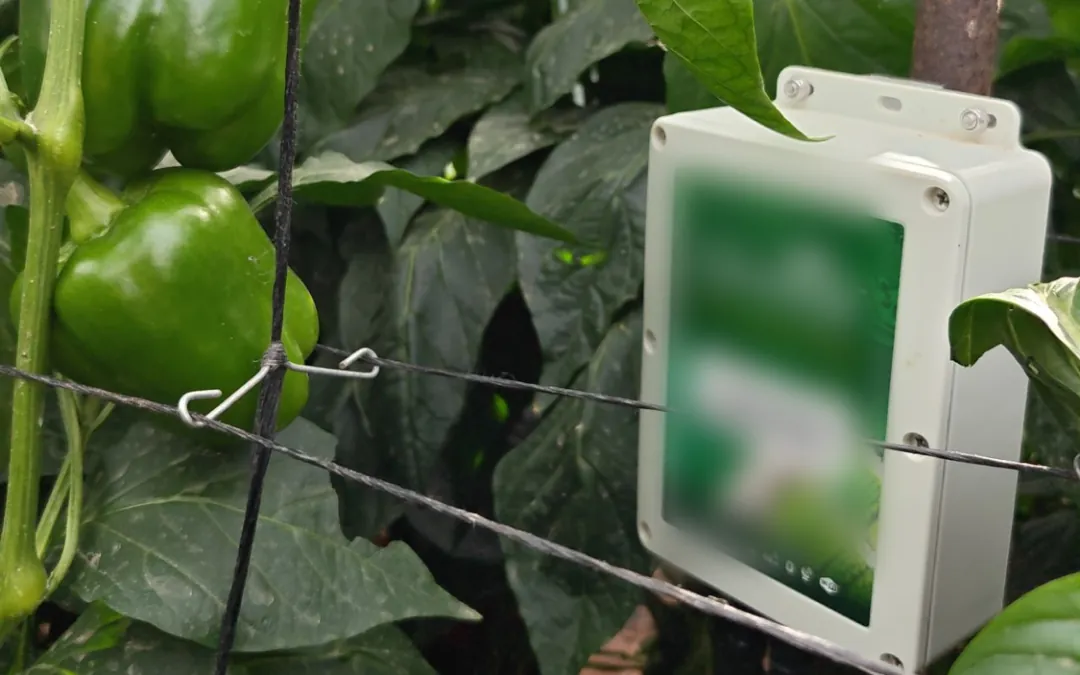
A bell pepper greenhouse adds soil water tension to a house that already manages climate closely, because peppers are sensitive to how consistently water arrives, not only to how much.
kPa the unit that matters
Soil & Irrigation
Cranberry frost monitoring
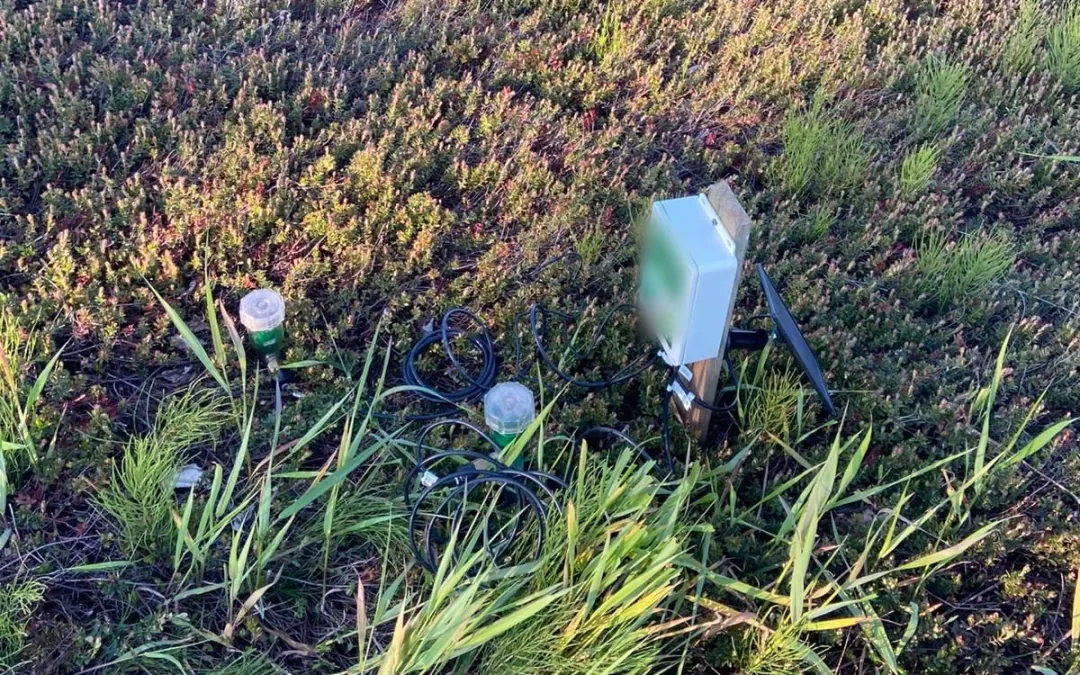
A cranberry grower in Canada puts air temperature, humidity and soil water tension on one solar-powered Omni Genesis station sitting in the bed, where the frost decision is actually made.
±0.3 °C temperature accuracy
Silo & Level
Feed silo radar level
A fish farm fits an 80 GHz radar level sensor to its feed silo. Feed stock reads continuously in the farm's own platform instead of being judged by eye from the top of a ladder.
80 GHz FMCW radar
Planning something similar?
Tell us what needs monitoring and we will scope a right-sized system with you.
Send a message instead