Aquaculture
Pond aerators, switched from a phone and then handed to the oxygen sensor
A fish farm puts its pond aerators under remote control, then automates them against a dissolved oxygen threshold so the water decides when they run.
Results on site
- 0
- trips to switch an aerator
- 24/7
- threshold control
- 1
- controller per pond
Start and stop from a phone, from anywhere with a signal
The controller acts on the dissolved oxygen reading, including overnight
The same unit reads the water and switches the aerator
- The challenge
- Aerators had to be switched by hand at the pond. That means someone physically present for every start and stop, including at night, and oxygen falling between visits with nobody there to notice.
- What we installed
- Omni Genesis controllers driving the aerator starters through their control outputs, switchable from a phone and able to run automatically against a dissolved oxygen threshold.
- The result
- Aeration runs on the oxygen reading rather than on someone's schedule, and any aerator can still be overridden by hand from a phone.
The situation
Aeration is the most consequential switch on a fish farm. Paddlewheel aerators sit out on open production ponds and are the difference between a normal night and a mortality event, because dissolved oxygen falls after dark, falls further in heat, and falls further again with a heavy standing crop and a recent feed.
At this farm, running them meant going to them. Every start and every stop was a person at the pond, and between those visits nothing was watching. That is a workable arrangement in daylight with a light stocking. It is a poor one at three in the morning in summer, which is exactly when the decision matters most.
What was installed
An Omni Genesis controller sits on the bank at the pond, wired two ways: to a dissolved oxygen probe in the water, and through its control outputs to the aerator’s starter. The controller does not carry the motor current. It switches the starter, and the starter runs the motor, so the high-current side stays where an electrician put it.
That single connection changes what the aerator is. It stops being a machine you walk to and becomes an output the system can operate.
Two ways to run it
The first is remote manual control. Anyone with access opens OmniCloud on a phone and starts or stops any aerator, from the bank or from home. The trip to the pond disappears, and so does the reason to leave an aerator running all night just because nobody wants to drive out and turn it off.
The second is why the probe is in the water. Set the dissolved oxygen level at which aeration should start and the level at which it can stop, and the controller runs the aerator against those levels by itself. Aeration stops being a timetable and becomes a response to the pond. It runs when the oxygen says it is needed, including through the night, and it stops when it is not, which is the same decision a good manager would make if they were standing there with a meter at every hour.
Manual control does not go away when automation is switched on. The two coexist, because harvests, maintenance and weather produce situations no threshold was written for.
Why it matters
The control loop runs on the controller, not in the cloud. A dropped connection costs you remote switching and the live view; it does not cost you the aeration decision, which is the part that must not depend on a cellular signal at four in the morning.
This is also the shortest path from monitoring to something a farm can feel. A sensor that only reports tells you the oxygen fell. A controller that reads the same sensor and switches the aerator means it did not fall as far.
From the site
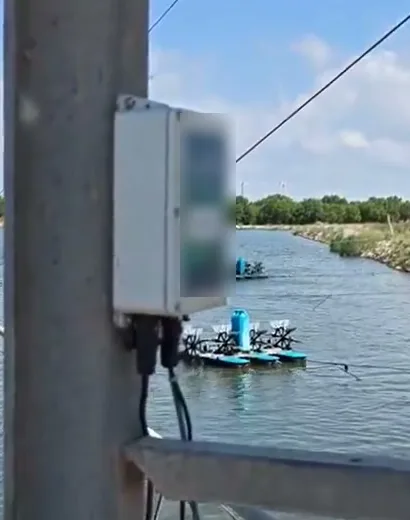
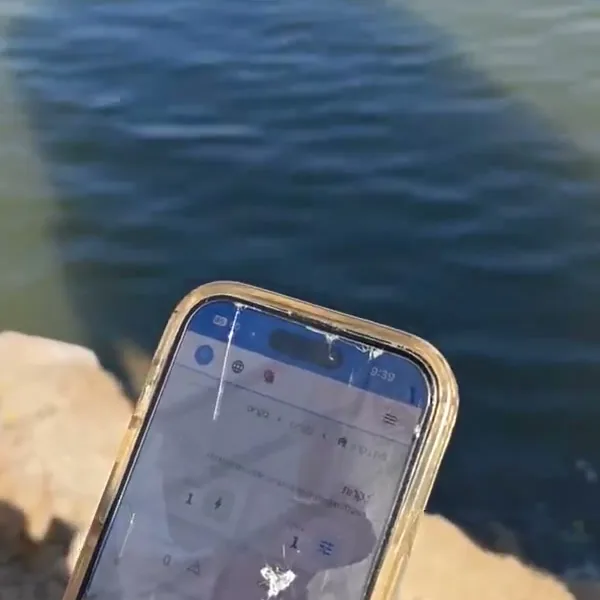
Hardware in this deployment
Every sensor below connects to the same controller. That is what makes a mixed site possible.
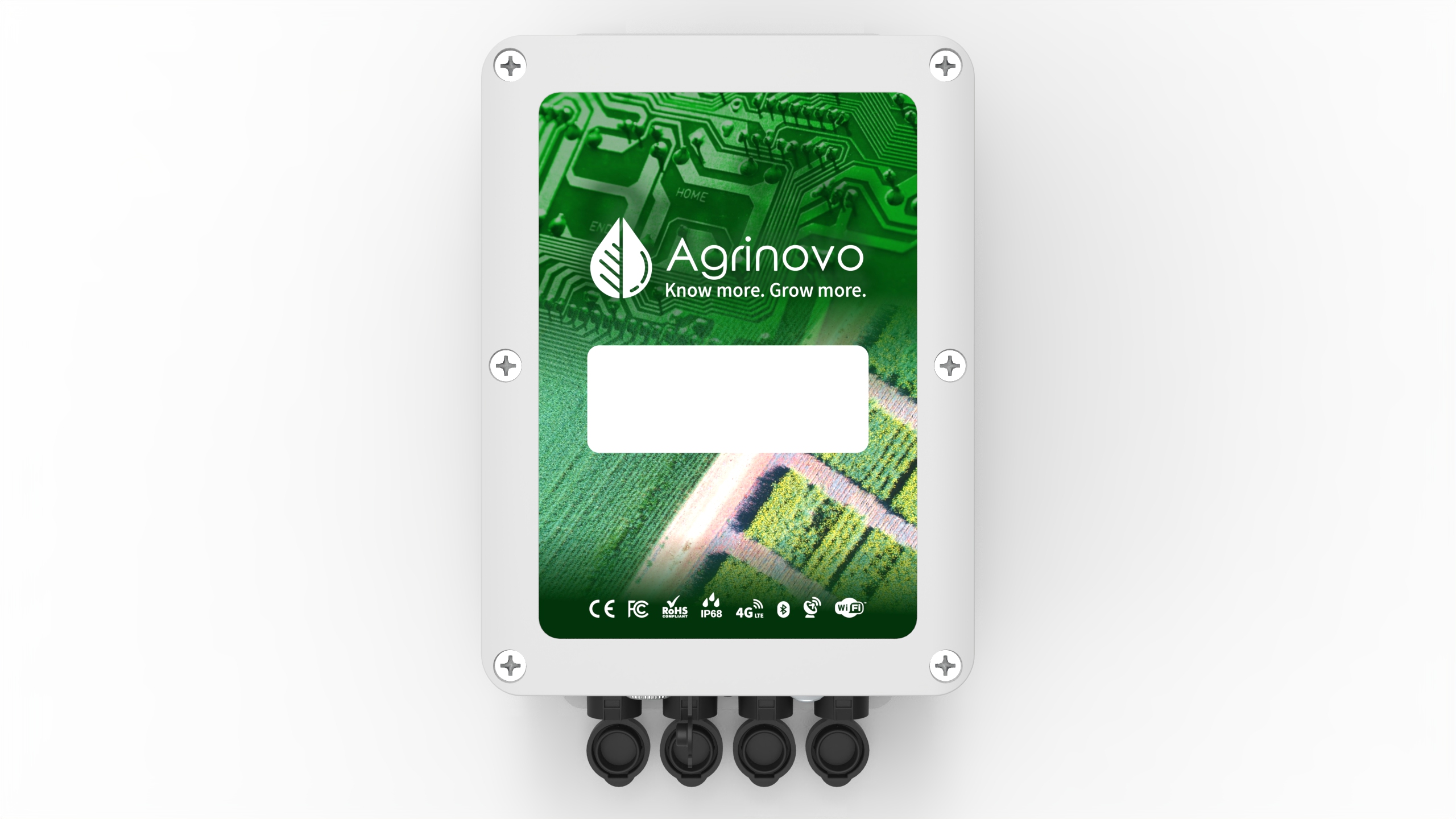
Questions about this deployment
How does a controller switch an aerator on and off?
What does threshold control on dissolved oxygen mean in practice?
Can the farm still switch an aerator by hand?
Why is dissolved oxygen the parameter that drives aeration?
Does the aerator keep running if the connection drops?
More deployments like this
Aquaculture
Algae cultivation monitoring
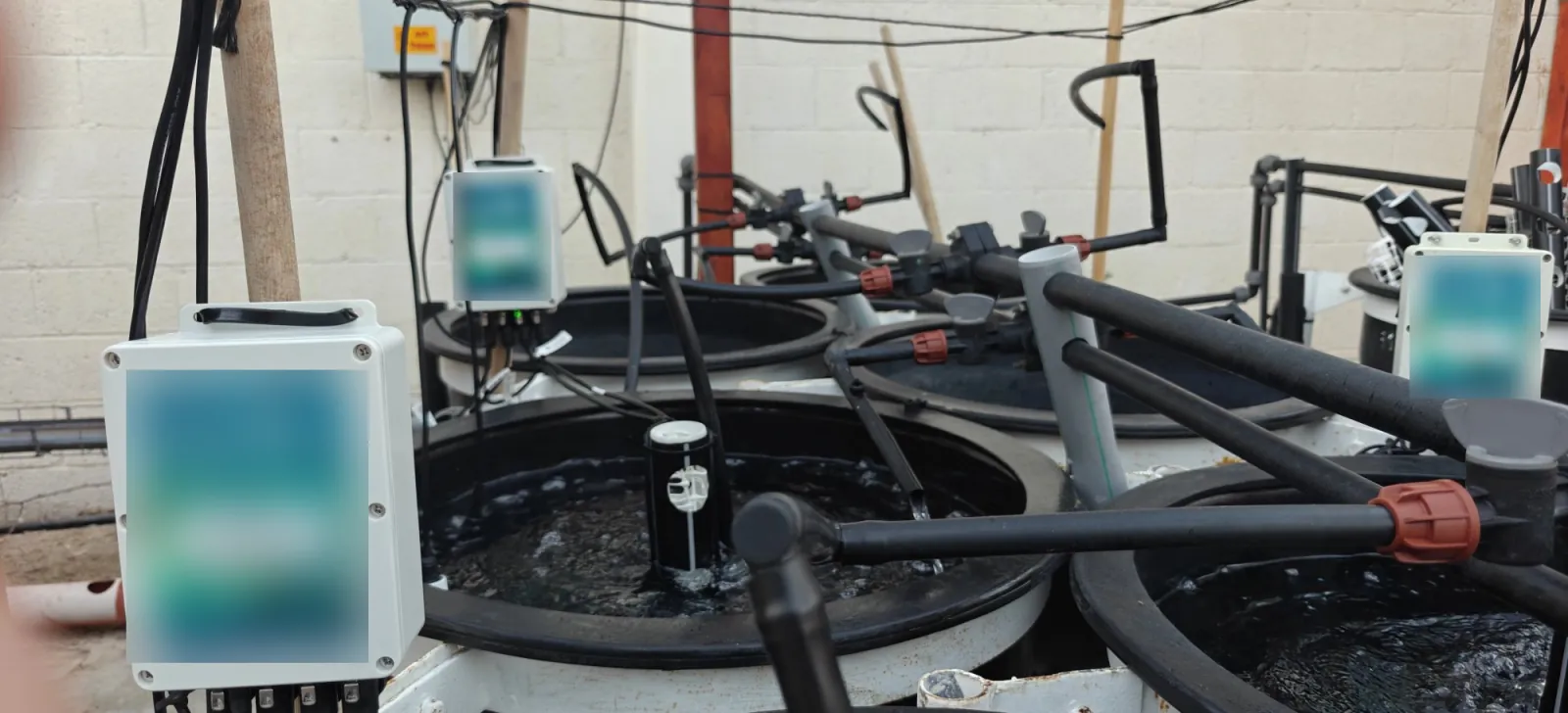
A marine research group monitors light, dissolved oxygen and pH in seawater algae tanks, with a lux sensor built for immersion and a custom power cabinet.
16 controllers per cabinet
Soil & Irrigation
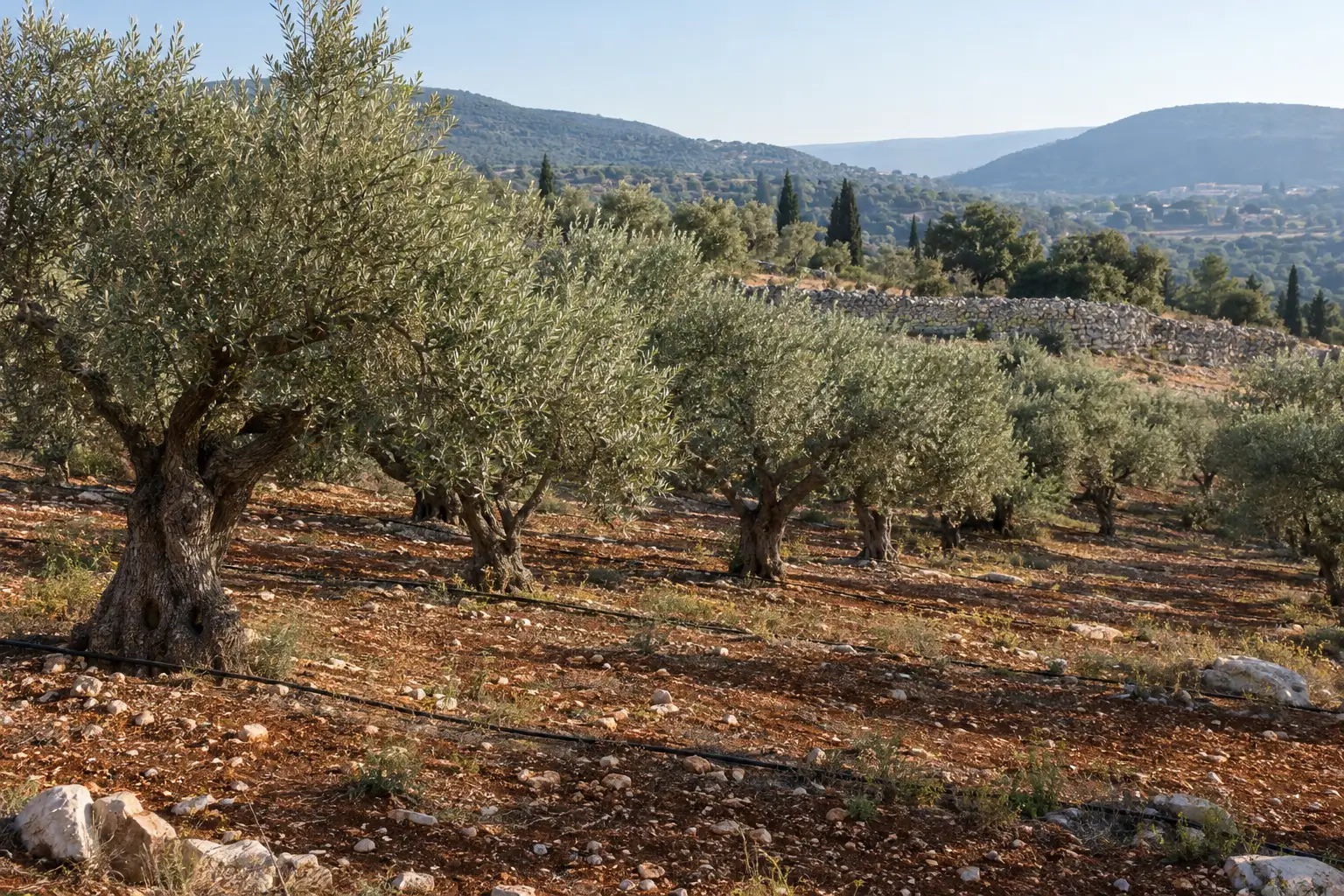
Olive grove tensiometer network
A 35-dunam (3.5 hectare) olive grove in the Upper Galilee switches from calendar irrigation to tensiometer-driven scheduling and cuts water use without losing yield.
19% less water over the 2025 season
Greenhouse
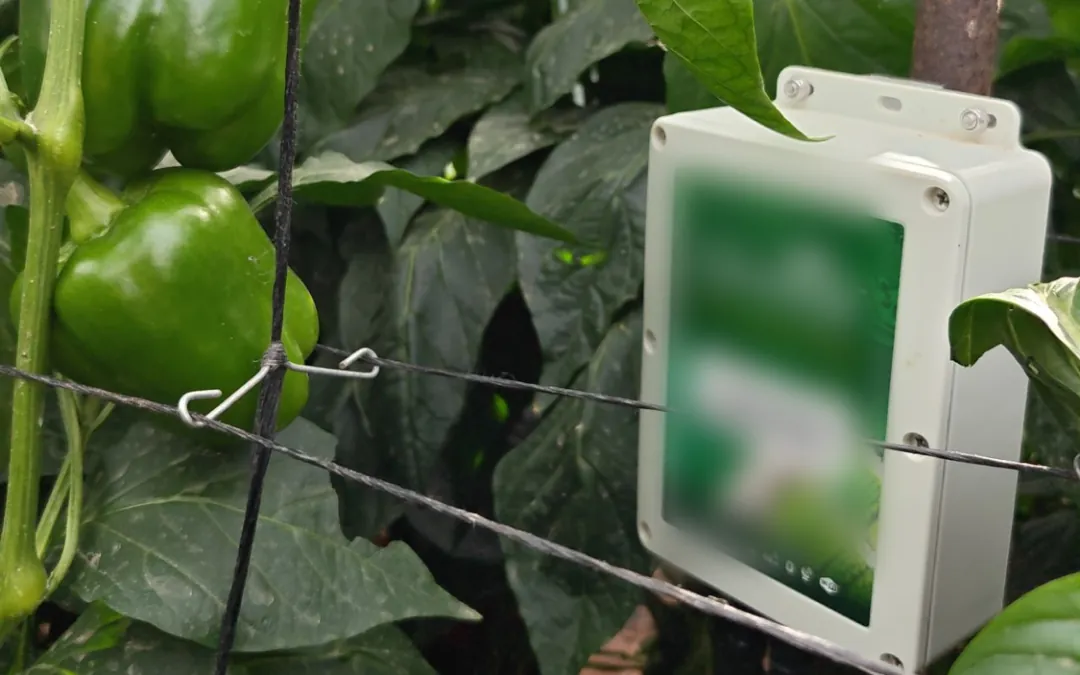
Bell pepper soil tension
A bell pepper greenhouse adds soil water tension to a house that already manages climate closely, because peppers are sensitive to how consistently water arrives, not only to how much.
kPa the unit that matters
Planning something similar?
Tell us what needs monitoring and we will scope a right-sized system with you.