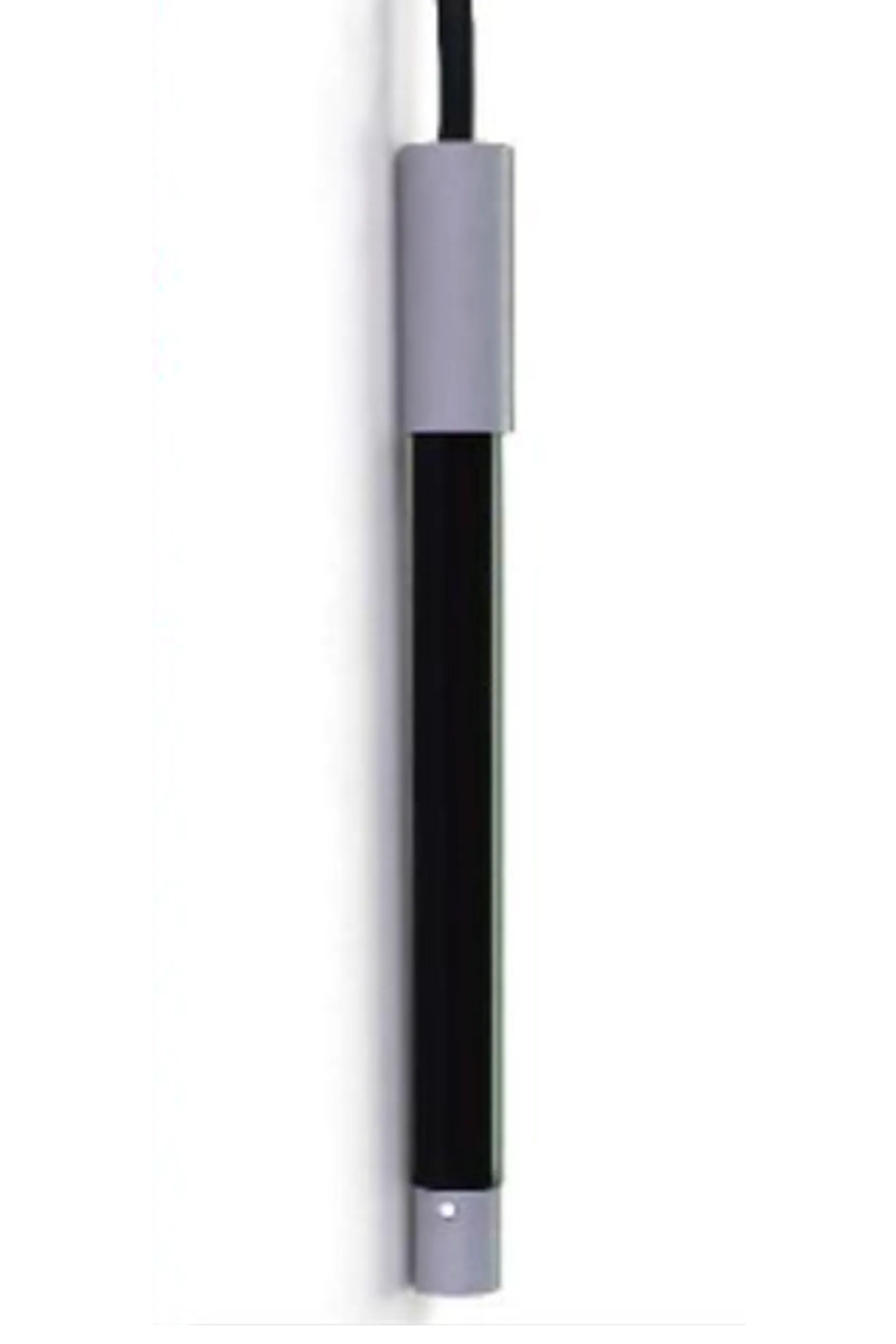
NO3-100 Nitrate Ion-Selective Electrode
Nitrate (NO3⁻) ion-selective electrode for water monitoring. RS485 output for agriculture, aquaculture, and drinking water.
Contact for pricing
Need the complete system?
This sensor is also sold as part of a complete system: RAS monitoring system. It arrives connected to a controller, with the dashboard and alerts configured. See the system
Product Highlights
View all in Specifications tabOverview
The NO3-100 is a precision ion-selective electrode specifically designed for measuring nitrate (NO3⁻) concentration in water. Nitrate is a critical parameter for agricultural nutrient management, aquaculture water quality, environmental monitoring, and drinking water safety. This sensor provides fast, accurate measurements essential for optimizing crop production, protecting aquatic life, and ensuring water quality compliance.
Key Features
- High Selectivity: Specifically designed for nitrate ion detection
- Wide Range: Measures from 0 to 1,000 mg/L
- Digital Output: RS485 Modbus RTU for seamless integration with SCADA and IoT systems
- Automatic Temperature Compensation: Integrated NTC10K temperature sensor for accurate readings
- Direct Connection: Connect directly to computer or PLC without additional instrumentation
Applications
- Hydroponic nutrient solution monitoring
- Greenhouse fertigation control
- Agricultural irrigation water testing
- Aquaculture water quality monitoring
- Drinking water compliance testing
- Wastewater treatment optimization
- Environmental water monitoring
- Groundwater contamination assessment
- Agricultural runoff tracking
- Fertilizer application optimization
Technical Specifications
The NO3-100 delivers precise nitrate measurements from 0 to 1,000 mg/L with automatic temperature compensation via the integrated NTC10K temperature sensor. Accuracy is ±5% of full scale, and readings are reliable at nitrate concentrations of 30 mg/L and above. The value reported is the nitrate ion (NO3⁻) in mg/L; divide by 4.43 to express it as nitrate-nitrogen (NO3-N).
Understanding Nitrate in Water
Nitrate is the final oxidation product of nitrogen and plays multiple critical roles:
Agricultural Applications
- Plant Nutrition: Primary nitrogen source for crop growth
- Fertigation Control: Optimizing nutrient delivery in hydroponics and irrigation
- Fertilizer Management: Preventing over-application and waste
- Crop Quality: Maintaining optimal N levels for yield and quality
Water Quality
- Drinking Water: EPA limit is 10 mg/L (as N) or 44 mg/L (as NO3⁻)
- Health Impact: High levels can cause methemoglobinemia (blue baby syndrome)
- Environmental: Excess nitrate causes eutrophication in water bodies
- Groundwater: Indicator of agricultural or sewage contamination
Aquaculture
- Fish Health: High nitrate (> 50 mg/L) can stress fish
- Biofilter Performance: Monitoring nitrification efficiency
- Water Exchange: Determining water change requirements
Typical Nitrate Levels
- Unpolluted natural water: < 1 mg/L
- Agricultural runoff: 10-100 mg/L
- Drinking water limit: 10 mg/L (as N)
- Hydroponic solutions: 100-200 mg/L
- Greenhouse irrigation: 50-150 mg/L
- Aquaculture (safe): < 50 mg/L
Connectivity and Integration
The NO3-100 supports dual output for integration into agricultural, aquaculture, and environmental systems:
RS485 Modbus RTU:
- Connect to Agrinovo Omni Genesis or Exodus controllers for cloud-based nitrate monitoring
- Multi-drop bus networking (up to 32 sensors per bus)
- Standard Modbus registers for NO3⁻ concentration and temperature
- Compatible with SCADA, PLC, fertigation controllers, and RAS management systems
RS485 Modbus RTU Output:
- Direct connection to fertigation dosing controllers for nitrogen adjustment
- Scalable output range mapped to measurement range
- Ideal for closed-loop nitrate management in hydroponics and greenhouse systems
IoT Integration:
- Pair with Omni Genesis/Exodus for automated fertilizer dosing based on nitrate levels
- Set alerts for environmental discharge compliance
- Historical data logging for nutrient use efficiency tracking
- Monitor water exchange requirements in aquaculture based on nitrate accumulation
Installation and Maintenance
Positioning: In hydroponic systems, install in the nutrient reservoir return line for well-mixed readings. In aquaculture, install in the sump or after the biofilter. For environmental monitoring, install at representative sampling points in streams or groundwater wells.
Calibration: Up to 5-point calibration with standard solutions of 0.1, 1, 10, 100 and 1000 ppm; at least two points are required before the sensor reports concentration. Three-point calibration at 10, 100 and 1000 ppm is recommended.
Interfering Ions: Chloride (Cl⁻) interferes with the nitrate electrode (selectivity coefficient 0.0056). Keep the chloride concentration below 10 times the nitrate concentration; above that ratio the measurement error is severe. Perchlorate, iodide, cyanide, tetrafluoroborate and nitrite also interfere. A conditioning solution removes the interference in laboratory tests, but it is not practical for continuous online measurement, so check the water composition before selecting the sensor.
Part of our IoT Aquaculture Monitoring System
See how our aquaculture sensors work together in a complete real-time water quality monitoring system for fish farming.
Related Products
Other solutions in the Ion Selective probes category