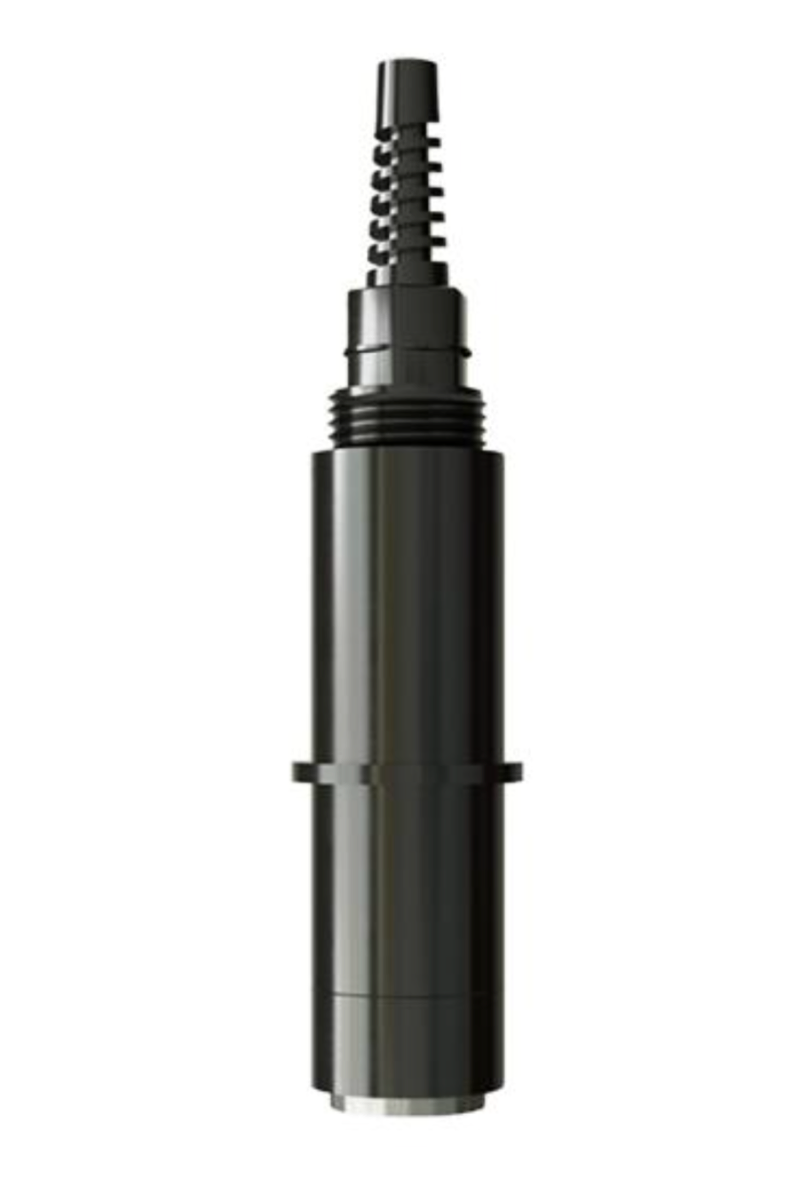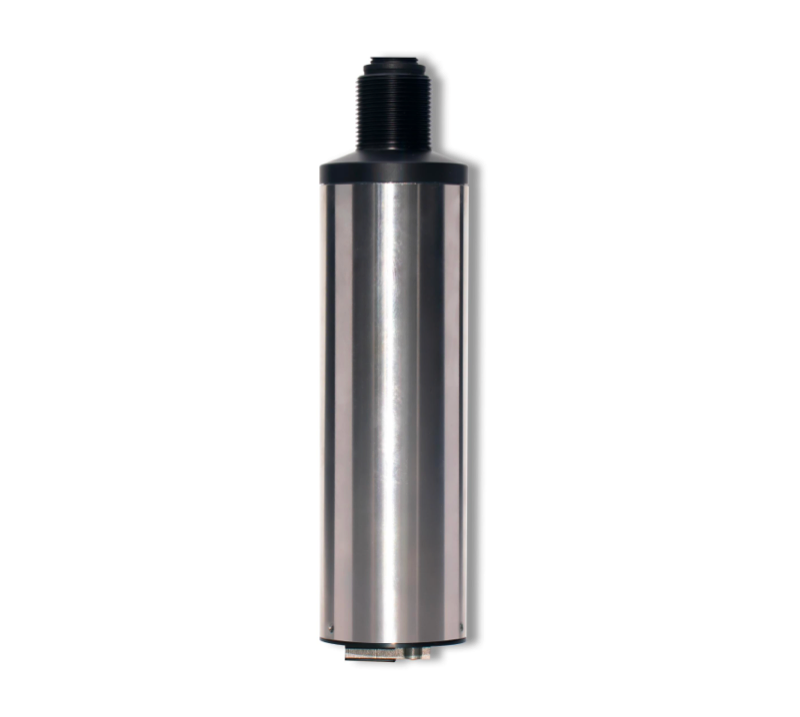
DO-130 Self-Cleaning Dissolved Oxygen Sensor
Self-cleaning fluorescent DO sensor with automatic brush for low-maintenance aquaculture and water quality monitoring. RS485 Modbus RTU output.
Contact for pricing
Product Highlights
View all in Specifications tabOverview
The DO-130 is Agrinovo’s advanced self-cleaning dissolved oxygen sensor, designed for deployments where biofouling and manual maintenance are persistent challenges. Built around proven fluorescent quenching technology, the DO-130 integrates an automatic cleaning brush that keeps the sensing membrane free of biological buildup, algae, and sediment — dramatically reducing maintenance visits and ensuring consistent, reliable readings over extended periods.
This sensor is purpose-built for environments where regular manual cleaning is impractical or costly: remote aquaculture ponds, unattended wastewater treatment basins, and continuous environmental monitoring stations. The DO-130 measures both dissolved oxygen concentration (mg/L) and temperature (°C), with built-in salinity and atmospheric pressure compensation for accurate readings across a wide range of water conditions.
Whether you are managing a large-scale fish farm, monitoring effluent discharge, or tracking oxygen levels in a recirculating aquaculture system (RAS), the DO-130 delivers the hands-off reliability that modern water monitoring demands. For facilities looking for a standard fluorescent DO sensor without self-cleaning, see the DO-100 or the titanium-bodied DO-110 for extreme marine environments.
Key Features
- Automatic Self-Cleaning Brush: Configurable cleaning interval prevents biofouling and membrane contamination without manual intervention
- Manual Brush Trigger: On-demand cleaning can be triggered remotely for immediate maintenance
- Fluorescent Technology: Optical sensing method with no oxygen consumption and minimal drift
- Dual Measurement: Simultaneous DO concentration and temperature readings
- Salinity Compensation: Built-in salinity correction (ppt) for accurate readings in brackish and saltwater environments
- Atmospheric Pressure Compensation: Pressure-corrected measurements (kPa) for consistent results at any altitude
- RS485 Modbus RTU Output: Industry-standard digital communication for seamless integration with controllers, SCADA systems, and IoT platforms
- IP68 Waterproof: Fully submersible for continuous in-water deployment
- Field Calibration: Simple atmospheric pressure calibration method with factory reset option
- 12V DC Power Supply: Standard voltage compatible with most field power systems and solar setups
Applications
- Aquaculture and fish farming — continuous DO monitoring in ponds, cages, and tanks where biofouling is a constant concern
- Recirculating aquaculture systems (RAS) — reliable oxygen tracking in high-density production environments (learn more about RAS monitoring)
- Shrimp and shellfish cultivation — unattended monitoring in remote pond systems (see our shrimp farm monitoring guide)
- Wastewater treatment plants — aeration basin monitoring with reduced maintenance downtime
- Environmental water monitoring — long-term deployment in rivers, lakes, and estuaries
- Industrial process control — oxygen monitoring in food processing, beverage production, and chemical manufacturing
- Remote and unattended stations — solar-powered monitoring sites where manual cleaning visits are expensive or impractical
Technical Specifications
The DO-130 uses fluorescent quenching technology to measure dissolved oxygen. Blue light excites a fluorescent dye on the sensor membrane, and the phase shift of the returned red light is measured to determine oxygen concentration. This optical method eliminates oxygen consumption during measurement, avoids stirring sensitivity, and provides superior long-term stability compared to traditional electrochemical (galvanic or polarographic) sensors.
The integrated self-cleaning brush operates on a configurable timer interval. For example, setting the interval to 180 seconds triggers an automatic brush cycle every three minutes, keeping the membrane surface clean and ensuring measurement accuracy between scheduled maintenance visits. The brush can also be triggered manually on demand for immediate cleaning when needed.
Salinity and atmospheric pressure compensation are handled directly by the sensor, removing the need for external correction calculations. This makes the DO-130 particularly well suited for coastal aquaculture installations where salinity fluctuates with tides and weather. For guidance on choosing the right DO sensor for your specific application, see our blog post on how to choose a dissolved oxygen sensor for fish farming.
Connectivity and Integration
The DO-130 communicates via RS485 Modbus RTU, the most widely supported industrial communication protocol for water quality sensors. This enables direct integration with:
- Agrinovo controllers — pair with the Omni Genesis or Omni Exodus for a complete monitoring and control solution
- SCADA and PLC systems — standard Modbus RTU integration for plant-wide monitoring
- Data loggers and telemetry — continuous recording with wireless transmission to cloud platforms
- Aeration control systems — closed-loop DO control for optimized energy use in aquaculture and wastewater
- IoT and cloud platforms — connect through RS485-to-WiFi or RS485-to-cellular gateways for remote dashboards and alerts
For a deeper understanding of sensor communication protocols including RS485 and Modbus, refer to our sensor protocols guide.
Installation and Maintenance
The DO-130 is designed for straightforward installation. Mount the sensor vertically or at an angle with the sensing membrane fully submerged in the water being monitored. Position the sensor to avoid direct contact with air bubbles and ensure representative water flow around the membrane.
Calibration uses the atmospheric pressure method: expose the sensor membrane to ambient air and trigger the field calibration function. A factory calibration reset option is also available if needed. Periodic recalibration is recommended depending on deployment conditions — typically once per month for demanding environments.
Maintenance is significantly reduced compared to standard DO sensors thanks to the automatic brush. In most installations, the self-cleaning mechanism eliminates the need for manual membrane cleaning between scheduled service visits. When long-term maintenance is required, the sensor can be removed, inspected, and returned to service quickly. The configurable brush interval allows you to balance cleaning frequency against power consumption for battery or solar-powered installations.
For a comprehensive overview of water quality monitoring in aquaculture — including how dissolved oxygen fits into a broader sensor strategy — see our complete aquaculture water quality monitoring guide.
Part of our IoT Aquaculture Monitoring System
See how our aquaculture sensors work together in a complete real-time water quality monitoring system for fish farming.
Related Products
Other solutions in the DO probes category