CHL-100 עם Arduino, ESP32, Raspberry Pi ו-Python
איך מחברים את CHL-100 חיישן כלורופיל דיגיטלי עם ניקוי עצמי למיקרו-בקר או למחשב שלכם וקוראים ממנו ב-RS485 Modbus RTU. הטבלאות הן אלה שבדף הנתונים, ושתי דוגמאות הקוד מורצות מול מסגרת הדוגמה שבדף הנתונים לפני שהעמוד מתפרסם.
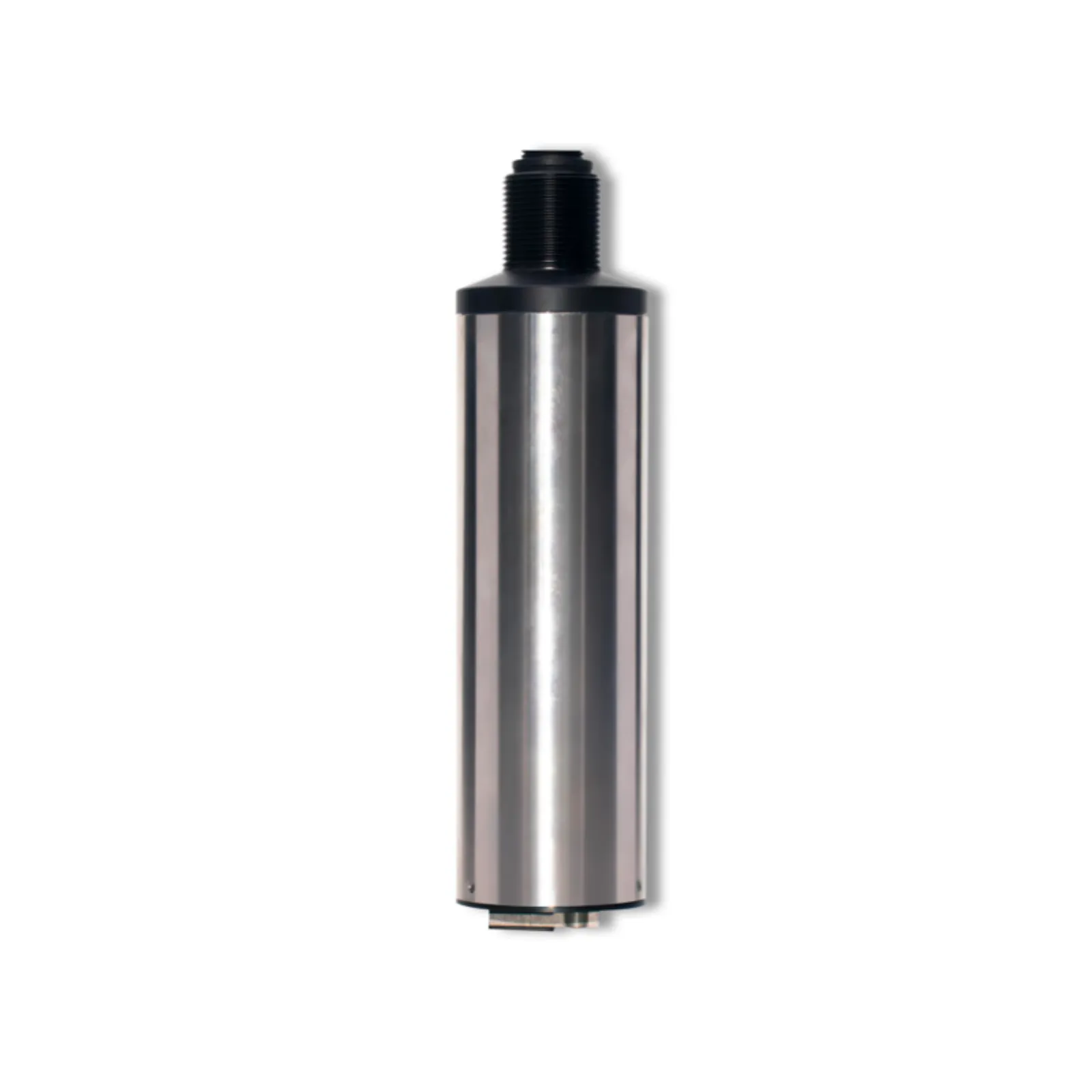
חיבור ה-CHL-100
החיישן הוא התקן RS485, ולכן צריך משדר-מקלט בינו לבין הלוח שלכם. במחשב או ב-Raspberry Pi זה מתאם USB ל-RS485. במיקרו-בקר זה מודול מסוג MAX485 על יציאה טורית חומרתית. הזינו את החיישן מספק שנמצא בטווח המתח שבטבלה, וחברו את האדמה שלו לאדמה של המשדר-מקלט.
| Core | Color | Function | Description |
|---|---|---|---|
| 1 | Brown | V+ | Power Supply (12-24V DC) |
| 2 | Black | AGND | Power Ground |
| 3 | Blue | RS485-A | Data+ |
| 4 | White | RS485-B | Data- |
דוגמת Python (Raspberry Pi, Linux, macOS, Windows)
הסקריפט צריך רק את pyserial. הוא בונה בעצמו את בקשת ה-Modbus, בודק את ה-CRC של התשובה ומדפיס קריאה אחת כל חמש שניות. ב-Windows העבירו את יציאת ה-COM כארגומנט.
#!/usr/bin/env python3
"""Read the Agrinovo CHL-100 over RS485 Modbus RTU.

Works on a Raspberry Pi or any computer with a USB to RS485 adapter.
Install the serial library once:  pip install pyserial
Run:  python3 chl_100.py /dev/ttyUSB0
"""
import struct
import sys
import time

import serial

PORT = sys.argv[1] if len(sys.argv) > 1 else "/dev/ttyUSB0"
ADDRESS = 0x01  # the probe's Modbus address


def crc16(frame: bytes) -> bytes:
    crc = 0xFFFF
    for byte in frame:
        crc ^= byte
        for _ in range(8):
            crc = (crc >> 1) ^ 0xA001 if crc & 1 else crc >> 1
    return struct.pack("<H", crc)


def read_registers(port, address, function, start, count):
    request = struct.pack(">BBHH", address, function, start, count)
    port.reset_input_buffer()
    port.write(request + crc16(request))
    reply = port.read(5 + 2 * count)
    if len(reply) >= 5 and reply[1] == function | 0x80:
        raise IOError(f"probe returned Modbus error {reply[2]}")
    if len(reply) != 5 + 2 * count or crc16(reply[:-2]) != reply[-2:]:
        raise IOError("no valid reply from the probe")
    return reply[3:-2]


def read_probe(port):
    data = read_registers(port, ADDRESS, 0x03, 0x2600, 4)
    return {
        "temperature_c":    struct.unpack("<f", data[0:4])[0],
        "chlorophyll_ug_l": struct.unpack("<f", data[4:8])[0],
    }


if __name__ == "__main__":
    with serial.Serial(PORT, 9600, bytesize=8, parity="N", stopbits=1, timeout=1) as port:
        while True:
            print(read_probe(port))
            time.sleep(5)
דוגמת Arduino (ESP32, Mega ולוחות אחרים עם יציאה טורית שנייה)
הסקיצה לא משתמשת באף ספרייה. ב-ESP32 היא משתמשת ב-Serial2 על הפינים שמוגדרים בראש הקובץ, ובלוחות AVR ב-Serial1. DE ו-RE של המשדר-מקלט מתחברים לפין יציאה אחד.
// Agrinovo CHL-100 over RS485 Modbus RTU.
// For a board with a spare hardware serial port (ESP32, Mega, Leonardo, Due)
// and a MAX485-type transceiver. Power the probe from its own supply, as the
// wiring table says, and join the grounds.

const uint8_t ADDRESS = 0x01;  // the probe's Modbus address
const int DE_PIN = 4;          // transceiver DE and RE tied together
const int RX_PIN = 16;         // ESP32 only
const int TX_PIN = 17;         // ESP32 only

#if defined(ESP32)
#define RS485 Serial2
#else
#define RS485 Serial1
#endif

uint16_t crc16(const uint8_t *frame, size_t length) {
  uint16_t crc = 0xFFFF;
  for (size_t i = 0; i < length; i++) {
    crc ^= frame[i];
    for (int bit = 0; bit < 8; bit++) {
      crc = (crc & 1) ? (crc >> 1) ^ 0xA001 : crc >> 1;
    }
  }
  return crc;
}

// Builds a float from its four bytes, most significant first.
float float32(uint8_t b3, uint8_t b2, uint8_t b1, uint8_t b0) {
  uint32_t bits = ((uint32_t)b3 << 24) | ((uint32_t)b2 << 16) | ((uint32_t)b1 << 8) | b0;
  float value;
  memcpy(&value, &bits, sizeof value);
  return value;
}

// Reads `count` registers into `data`. Returns false when the probe does not
// answer or the checksum is wrong.
bool readRegisters(uint8_t function, uint16_t start, uint16_t count, uint8_t *data) {
  uint8_t request[8] = {ADDRESS, function, (uint8_t)(start >> 8), (uint8_t)start,
                        (uint8_t)(count >> 8), (uint8_t)count, 0, 0};
  uint16_t crc = crc16(request, 6);
  request[6] = crc & 0xFF;
  request[7] = crc >> 8;

  while (RS485.available()) RS485.read();
  digitalWrite(DE_PIN, HIGH);
  RS485.write(request, 8);
  RS485.flush();
  digitalWrite(DE_PIN, LOW);

  uint8_t reply[5 + 2 * 16];
  size_t expected = 5 + 2 * count;
  if (RS485.readBytes(reply, expected) != expected) return false;
  uint16_t received = reply[expected - 2] | ((uint16_t)reply[expected - 1] << 8);
  if (reply[1] != function || crc16(reply, expected - 2) != received) return false;
  memcpy(data, reply + 3, 2 * count);
  return true;
}

void setup() {
  Serial.begin(115200);
  pinMode(DE_PIN, OUTPUT);
  digitalWrite(DE_PIN, LOW);
#if defined(ESP32)
  RS485.begin(9600, SERIAL_8N1, RX_PIN, TX_PIN);
#else
  RS485.begin(9600);
#endif
  RS485.setTimeout(1000);
}

void loop() {
  uint8_t data[2 * 4];
  if (!readRegisters(0x03, 0x2600, 4, data)) {
    Serial.println("no reply");
    delay(5000);
    return;
  }
  Serial.print("temperature_c=");
  Serial.print(float32(data[3], data[2], data[1], data[0]), 1);
  Serial.print(" chlorophyll_ug_l=");
  Serial.print(float32(data[7], data[6], data[5], data[4]), 2);
  Serial.println();
  delay(5000);
}
מה הדוגמאות קוראות
שתי הדוגמאות שולחות בקשה אחת, פונקציה 0x03, 4 רגיסטרים החל מ-0x2600, ומפענחות את הערכים האלה:
| ערך | יחידה | רגיסטר | קידוד |
|---|---|---|---|
temperature_c | °C | 0x2600 | float של 32 סיביות, הבית הפחות משמעותי ראשון |
chlorophyll_ug_l | µg/L | 0x2602 | float של 32 סיביות, הבית הפחות משמעותי ראשון |
כלי Modbus אחרים
אותה בקשה עובדת מכל מאסטר Modbus RTU: pymodbus, minimalmodbus, Node-RED, LabVIEW, בקר מתוכנת (PLC) או דאטה לוגר של צד שלישי עם יציאת Modbus. השתמשו בהגדרות התקשורת הטורית, בקוד הפונקציה ובכתובות הרגיסטרים שלמעלה.
איסוף נתונים בלי לכתוב קוד
בקר Omni Genesis קורא את ה-CHL-100 ושולח את הקריאות לענן Agrinovo ברשת הסלולרית, ומשם אפשר לייצא אותן או לקרוא אותן דרך ה-API של הענן.
מתוך דף הנתונים
Specifications
| Parameter | Specification |
|---|---|
| Chlorophyll Range | 0 to 500 µg/L |
| Temperature Range | 0 to 100°C |
| Accuracy | ±3% FS |
| Supply Voltage | 12-24 VDC |
| Submersion Depth | Max 2 meters |
| Maintenance | Clean every 4 to 8 weeks |
Communication Settings
| Parameter | Value |
|---|---|
| Protocol | Modbus-RTU |
| Baud Rate | 9600 bps |
| Data Bits | 8 |
| Parity | None |
| Stop Bits | 1 |
| Default Address | 0x01 |
Data Format
- Type: 32-bit Single Precision Float (IEEE-754)
- Byte Order: Little-endian (parse sequence: 4321)
Register Map
Measurement Registers (Function 0x03)
| Address (Hex) | Address (Dec) | Description | Range |
|---|---|---|---|
| 0x2600 | 9728 to 9729 | Temperature | 0 to 100°C (float32) |
| 0x2602 | 9730 to 9731 | Chlorophyll | 0 to 500 µg/L (float32) |
| 0x260A | 9738 to 9739 | Signal Value | 0 to 2000 (float32) |
Configuration Registers
| Address (Hex) | Description | Function | Notes |
|---|---|---|---|
| 0x3000 | Slave ID | 0x03/0x10 | Modify address |
| 0x3100 | Manual Brush | 0x10 | Write 0x0000 to trigger |
| 0x3200 | Brush Interval | 0x10 | Default: 60 min (0x3C00) |
| 0x00C8 | Factory Reset | 0x06 | Restore defaults |
Reading Data
Read Chlorophyll + Temperature
Read 4 registers from 0x2600:
Request:  01 03 26 00 00 04 4F 41
Response: 01 03 08 3F 03 DE 41 71 EB C3 3F B0 DA
Decoding (Little-endian float32):
| Value | Bytes Received | Reordered | Result |
|---|---|---|---|
| Temperature | 3F 03 DE 41 | 41 DE 03 3F | 27.8°C |
| Chlorophyll | 71 EB C3 3F | 3F C3 EB 71 | 1.53 µg/L |
Address Configuration
Change Address (0x01 → 0x0A)
Write to register 0x3000:
01 10 30 00 00 01 02 0A 00 90 F3
Note: Communication will be lost until reconnecting with the new address.
Broadcast Discovery
Use address 255 (0xFF) to discover unknown device address.
Self-Cleaning Brush
Trigger Manual Clean
Write 0x0000 to register 0x3100:
01 10 31 00 00 01 02 00 00 86 93
Set Cleaning Interval
Write interval (minutes) to register 0x3200. Default: 60 min (0x3C00)
Revision History
| Rev | Date | Changes |
|---|---|---|
| 1.0 | June 2026 | Initial release |
| 1.1 | August 2026 | Layout revision |
| 1.2 | October 2026 | New layout |
Contact
Agrinovo, https://agrinovo.io/products, [email protected], +972 54 688 8148 (direct / WhatsApp). Specifications subject to change without notice.
שאלות על החיווט או על הפרוטוקול?
ספרו לנו באיזה לוח או דאטה לוגר אתם משתמשים ומה צריך למדוד.